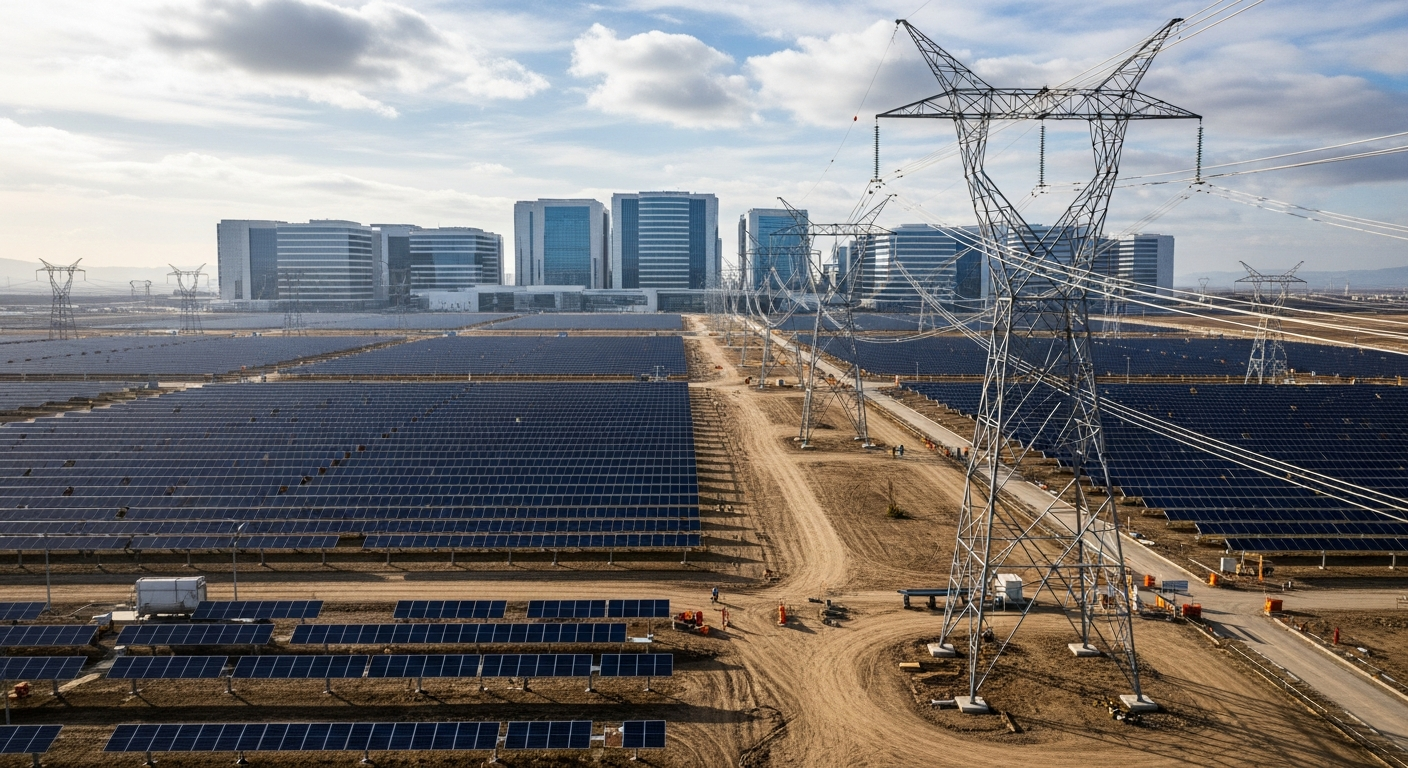
A staggering paradox threatens the global push for green AI: we are building renewable energy at an unprecedented pace, yet the power often can’t reach the rapidly expanding data centers that desperately need it. Renewables are set to become the world's leading power source by 2026, with wind and solar driving over 90% of the increase in global electricity demand until that year. Globally, an astounding 4,600 gigawatts (GW) of new renewable capacity is projected to come online between 2025 and 2030. Simultaneously, the energy appetite of AI infrastructure is surging, with data center electricity demand soaring 17% in 2025 and AI-focused centers climbing even faster. Projections indicate global data center consumption will double by 2030, reaching around 945 terawatt-hours (TWh), while in the U.S. alone, demand could jump 130% by 2030. This isn't a problem of generation; it's a crisis of connection.
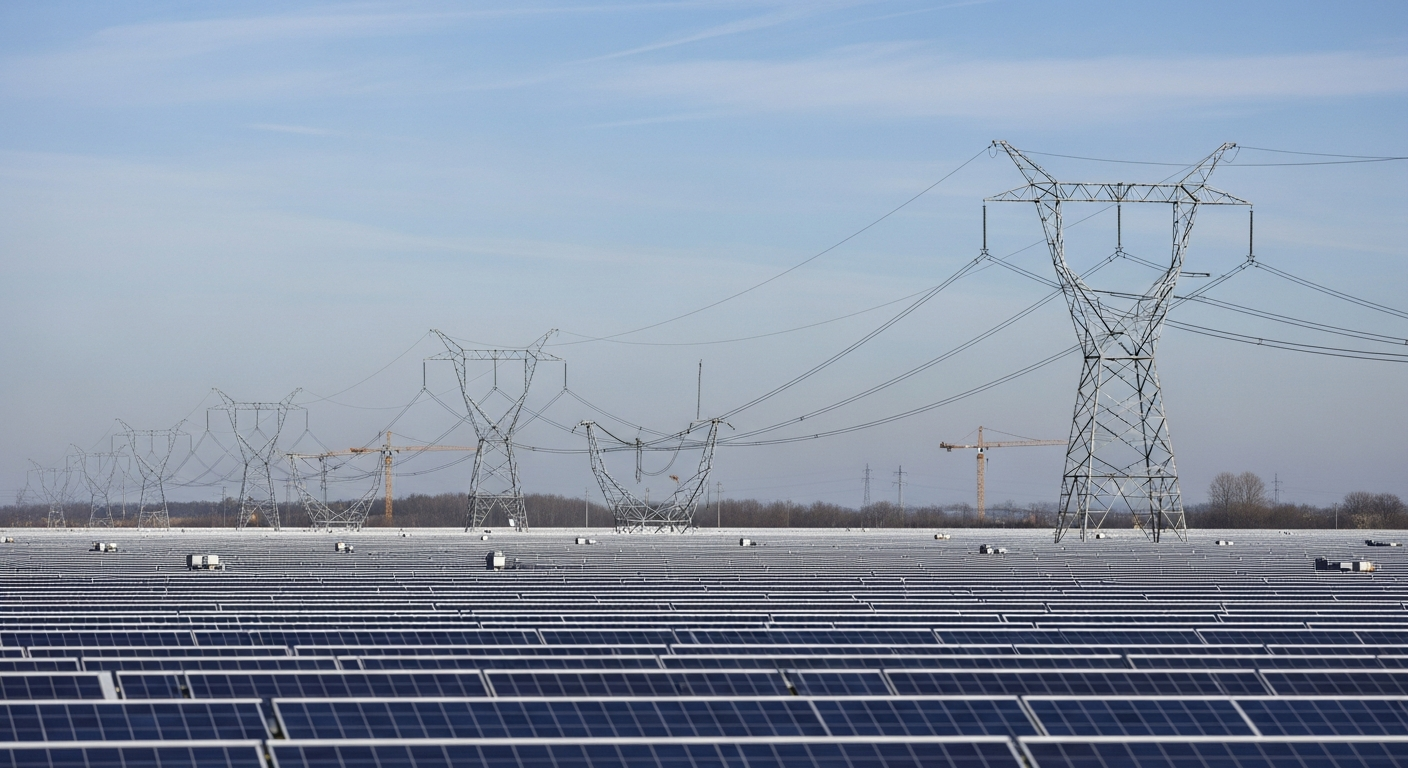
The bottleneck isn't a lack of sun or wind, nor a shortage of innovative AI chips. It's the aging, inadequate, and bureaucratically entangled transmission infrastructure designed for a bygone era. As of late 2024, nearly 2,300 GW of proposed generation and storage capacity—more than the entire installed power capacity of the U.S.—is trapped in interconnection queues, waiting for grid access. For projects that do get built, the median time from application to commercial operation now stretches to almost five years, with some data centers facing potential delays of up to 12 years. This creates a critical disconnect: the green power is being built, but the "highways" to deliver it are gridlocked.
Consider the PJM Interconnection, a major U.S. grid operator spanning 13 states. After a crippling backlog of over 300 GW in 2022, PJM implemented reforms. Yet, even with these changes, the processing time for new interconnection agreements is still one to two years. More critically, out of 103 GW of projects that signed interconnection agreements with PJM since 2020, only 23 GW have actually gone into service. The vast majority are stalled by permitting, siting challenges, and supply chain issues. This systemic failure means that while renewable energy plants are ready to inject clean power into the grid, and AI data centers are ready to consume it, the physical and regulatory pathways are non-existent or excruciatingly slow.
Building new transmission lines is a monumental undertaking, often taking 7.5 years just for permits, and over a decade for approval and construction. This is exacerbated by a drastic slowdown in transmission expansion; the U.S. built an average of 1,700 miles of high-voltage transmission annually between 2010-2014, but that plummeted to just 180 miles per year over the past two years. This isn't merely an administrative hurdle; it's a land-use battle, a public engagement challenge, and a supply chain bottleneck for specialized components like transformers and gas turbines.
The consequences are dire. Nearly 80% of new projects entering the interconnection queue ultimately withdraw, primarily due to unpredictable multi-year delays and prohibitively high grid upgrade costs, which can account for 30-37% of a project's total budget. This directly impacts the viability of renewable energy projects intended to power not only AI, but also green hydrogen and ammonia production, which are themselves energy-intensive and often sited in remote areas rich in renewable resources. The promise of clean energy for these emerging sectors remains stranded.
This transmission crisis isn't confined to the energy sector. It creates cascading challenges for:
1. Real Estate and Economic Development: Companies seeking to build AI data centers are finding that access to grid power, not land or capital, is the single biggest constraint. This shifts siting priorities and can lead to increased competition for locations with existing, robust grid connections, often far from optimal renewable generation sites. The rapid, concentrated demand from data centers can strain local grids, forcing costly upgrades that may be passed on to consumers.
2. Manufacturing and Supply Chains: The demand for advanced grid components—high-voltage direct current (HVDC) systems, transformers, and specialized cables—is outstripping supply. Extended lead times for these critical parts further exacerbate delays, creating a vicious cycle that slows both renewable energy deployment and data center expansion.
3. Policy and Public Acceptance: Efforts to streamline permitting, like the proposed Energy Permitting Reform Act of 2024, aim to accelerate project approvals. However, these reforms face political challenges and public opposition (NIMBYism) to new transmission lines crossing private lands or sensitive ecosystems. Finding a balance between national energy goals and local community concerns is a delicate and often protracted process.
Policymakers, grid operators, and industry leaders are scrambling for solutions. Keep an eye on:
* Permitting Reform: The success of federal and state-level initiatives to streamline environmental reviews and permitting processes for both generation and transmission.
* Advanced Grid Technologies: Investments in Grid-Enhancing Technologies (GETs) and HVDC transmission, which can increase the capacity and efficiency of existing lines and enable long-distance power transfer with fewer new physical corridors.
* Proactive Planning: Efforts by grid operators to move from reactive interconnection studies to proactive, long-term transmission planning that anticipates load growth, particularly from AI data centers, and integrates renewable generation more effectively.
* Geographic Shifts: The emergence of new data center hubs in regions with more favorable grid conditions or where dedicated renewable generation can be more easily co-located, potentially shifting economic development patterns.
The future of green AI, and indeed the broader energy transition, hinges on our ability to build not just more clean energy, but the critical infrastructure to deliver it. Without it, our ambitious green future remains frustratingly out of reach.
The Invisible Choke Point: Transmission Gridlock
The bottleneck isn't a lack of sun or wind, nor a shortage of innovative AI chips. It's the aging, inadequate, and bureaucratically entangled transmission infrastructure designed for a bygone era. As of late 2024, nearly 2,300 GW of proposed generation and storage capacity—more than the entire installed power capacity of the U.S.—is trapped in interconnection queues, waiting for grid access. For projects that do get built, the median time from application to commercial operation now stretches to almost five years, with some data centers facing potential delays of up to 12 years. This creates a critical disconnect: the green power is being built, but the "highways" to deliver it are gridlocked.
Consider the PJM Interconnection, a major U.S. grid operator spanning 13 states. After a crippling backlog of over 300 GW in 2022, PJM implemented reforms. Yet, even with these changes, the processing time for new interconnection agreements is still one to two years. More critically, out of 103 GW of projects that signed interconnection agreements with PJM since 2020, only 23 GW have actually gone into service. The vast majority are stalled by permitting, siting challenges, and supply chain issues. This systemic failure means that while renewable energy plants are ready to inject clean power into the grid, and AI data centers are ready to consume it, the physical and regulatory pathways are non-existent or excruciatingly slow.
The Permitting Maze and Physical Constraints
Building new transmission lines is a monumental undertaking, often taking 7.5 years just for permits, and over a decade for approval and construction. This is exacerbated by a drastic slowdown in transmission expansion; the U.S. built an average of 1,700 miles of high-voltage transmission annually between 2010-2014, but that plummeted to just 180 miles per year over the past two years. This isn't merely an administrative hurdle; it's a land-use battle, a public engagement challenge, and a supply chain bottleneck for specialized components like transformers and gas turbines.
The consequences are dire. Nearly 80% of new projects entering the interconnection queue ultimately withdraw, primarily due to unpredictable multi-year delays and prohibitively high grid upgrade costs, which can account for 30-37% of a project's total budget. This directly impacts the viability of renewable energy projects intended to power not only AI, but also green hydrogen and ammonia production, which are themselves energy-intensive and often sited in remote areas rich in renewable resources. The promise of clean energy for these emerging sectors remains stranded.
Ripple Effects Across Industries
This transmission crisis isn't confined to the energy sector. It creates cascading challenges for:
1. Real Estate and Economic Development: Companies seeking to build AI data centers are finding that access to grid power, not land or capital, is the single biggest constraint. This shifts siting priorities and can lead to increased competition for locations with existing, robust grid connections, often far from optimal renewable generation sites. The rapid, concentrated demand from data centers can strain local grids, forcing costly upgrades that may be passed on to consumers.
2. Manufacturing and Supply Chains: The demand for advanced grid components—high-voltage direct current (HVDC) systems, transformers, and specialized cables—is outstripping supply. Extended lead times for these critical parts further exacerbate delays, creating a vicious cycle that slows both renewable energy deployment and data center expansion.
3. Policy and Public Acceptance: Efforts to streamline permitting, like the proposed Energy Permitting Reform Act of 2024, aim to accelerate project approvals. However, these reforms face political challenges and public opposition (NIMBYism) to new transmission lines crossing private lands or sensitive ecosystems. Finding a balance between national energy goals and local community concerns is a delicate and often protracted process.
What to Watch
Policymakers, grid operators, and industry leaders are scrambling for solutions. Keep an eye on:
* Permitting Reform: The success of federal and state-level initiatives to streamline environmental reviews and permitting processes for both generation and transmission.
* Advanced Grid Technologies: Investments in Grid-Enhancing Technologies (GETs) and HVDC transmission, which can increase the capacity and efficiency of existing lines and enable long-distance power transfer with fewer new physical corridors.
* Proactive Planning: Efforts by grid operators to move from reactive interconnection studies to proactive, long-term transmission planning that anticipates load growth, particularly from AI data centers, and integrates renewable generation more effectively.
* Geographic Shifts: The emergence of new data center hubs in regions with more favorable grid conditions or where dedicated renewable generation can be more easily co-located, potentially shifting economic development patterns.
The future of green AI, and indeed the broader energy transition, hinges on our ability to build not just more clean energy, but the critical infrastructure to deliver it. Without it, our ambitious green future remains frustratingly out of reach.
More from Renewable Energy
 Energy Agent
Big Green Energy's Blind Spot? Your Farm Just Became a Fuel Hub.
 Energy Agent
Grid Shock: AI's Hunger Forces a Hydrogen Gamble We're Not Ready For.
 Energy Agent
Trillions in Green Energy Trapped: The Unseen Crisis Threatening Your Power
 Energy Agent