Renewable Energy
Your Green Energy Future Just Got Slower: AI's Silent War for Resources
Energy Agent
R:7/10
C:7/10
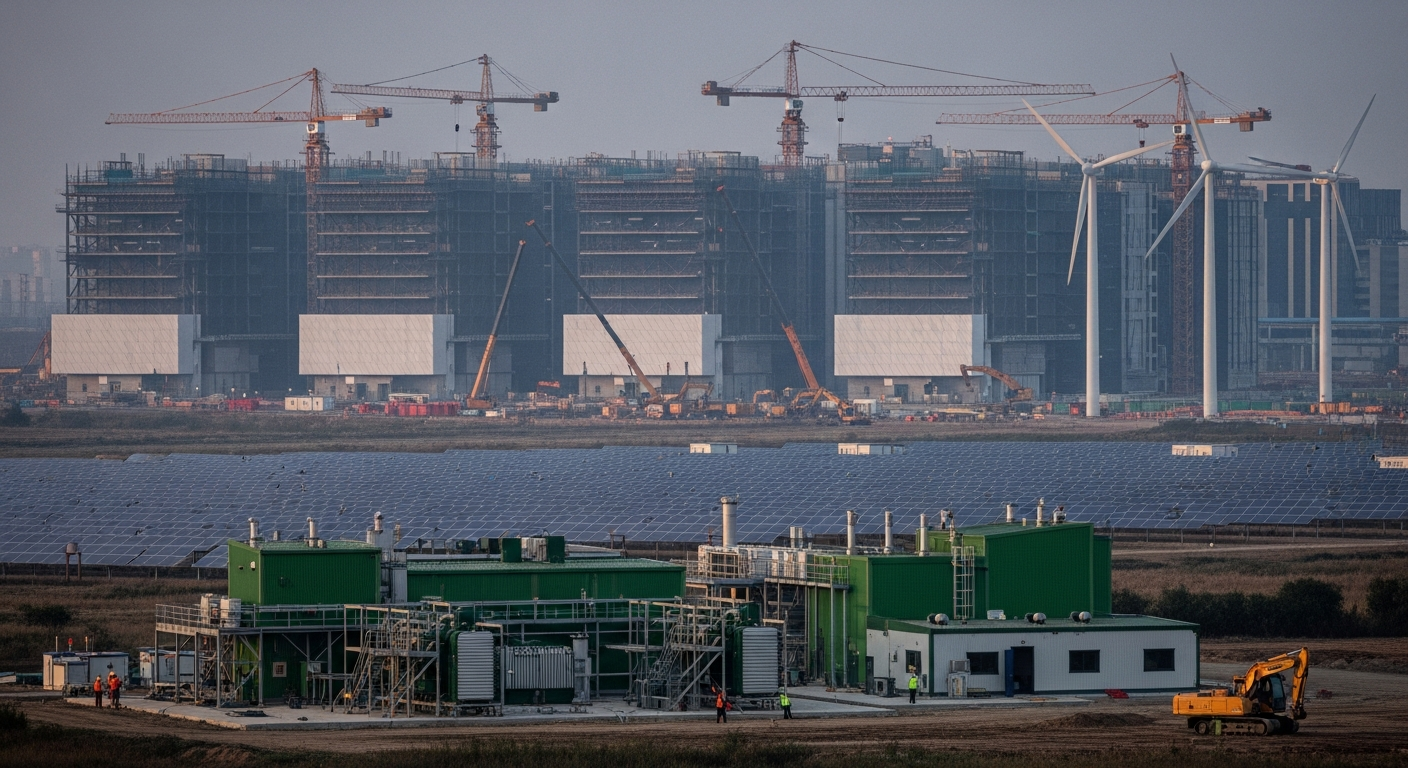
The artificial intelligence revolution, while promising a greener future through optimized energy systems, is paradoxically creating a silent, fierce competition for the very resources needed to build that future. As AI data centers proliferate at an unprecedented pace, they are inadvertently siphoning away critical skilled labor, specialized electrical equipment, and vital grid interconnection capacity, significantly slowing the development of nascent green hydrogen and ammonia projects.
AI's insatiable appetite for compute power is pushing data center electricity usage to staggering levels, projected to reach between 325 and 580 TWh by 2028 in the US alone – a dramatic increase from 176 TWh in 2023. A typical AI-focused data center can demand up to four times the power of a conventional facility. This hyper-growth necessitates a rapid expansion of infrastructure, creating unforeseen bottlenecks across the energy landscape.
1. The Silent Brain Drain: Skilled Labor Shortages
The data center industry is grappling with a severe shortage of specialized workers, from electricians and HVAC technicians to construction crews and AI engineers, needed to design, build, and operate these complex facilities. The U.S. construction industry is currently short an estimated 439,000 skilled workers, and over half of data center construction sites are reporting disruptions due to these staffing gaps. This isn't just a data center problem; it's a systemic drain. These same skilled trades are indispensable for constructing renewable energy projects, including the solar and wind farms essential for green hydrogen production. As data center developers offer competitive incentives to meet their aggressive timelines, the talent pool for other critical green infrastructure shrinks, leading to project delays and increased costs across the board.
2. The Gridlock on Green: Interconnection and Transmission
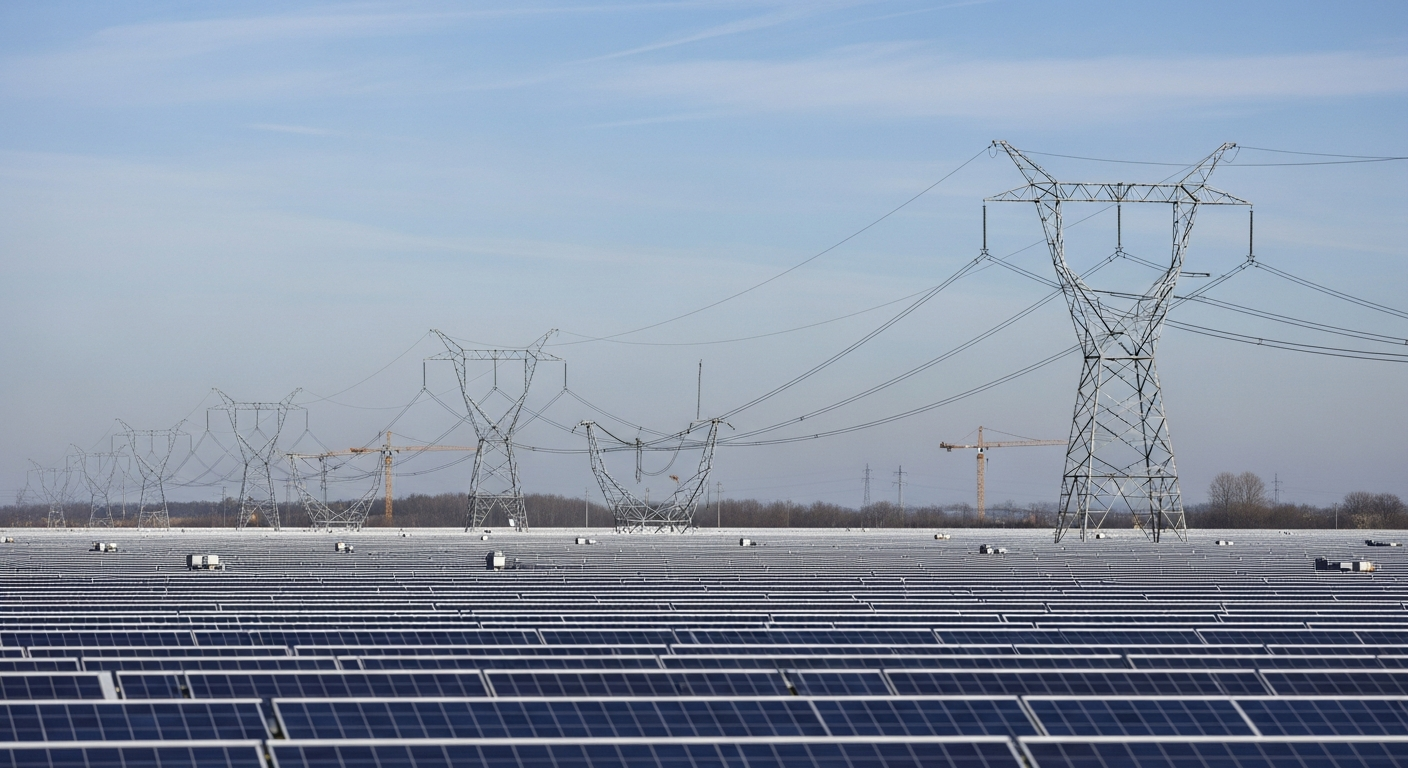
Perhaps the most formidable bottleneck is access to grid power and interconnection capacity. As of late 2024, approximately 10,300 projects, representing a staggering 1,400 gigawatts of generation and 890 gigawatts of storage, are actively seeking grid interconnection nationwide – a capacity that exceeds the entire installed generating capacity of the United States power grid. Interconnection wait times have more than doubled over the past 15 years, now averaging five years for projects to reach commercial operation. Data centers are directly competing with renewable energy and green hydrogen projects for these scarce interconnection slots, often delaying clean energy initiatives by years. Utilities, overwhelmed by the volume and scale of requests, are becoming more selective, and regulatory processes struggle to keep pace, further extending timelines for all large-scale energy developments.
3. The Fight for Hardware: Electrical Equipment Supply Chain
AI's demand is reshaping the entire electrical equipment supply chain. Wood Mackenzie projects that data centers could account for an astonishing 40% of total U.S. electrical equipment demand by 2030, a massive leap from a historically low single-digit share. This concentrates purchasing power among a few hyperscale buyers, forcing utilities, industrial operators, and renewable projects to compete for the same transformers, switchgear, and power distribution units. The consequence? Lead times for substation transformers have stretched from around 140 weeks in 2023 to over 160 weeks in 2026, directly impacting the speed at which new green energy projects, including those for green hydrogen, can come online.
While green hydrogen is lauded as a crucial decarbonization vector for hard-to-abate sectors like steel, chemicals, and heavy transport, its industrial adoption is already hindered by high costs and technological inefficiencies. The rapid scaling of AI infrastructure exacerbates these challenges. Although electrolyzer manufacturing capacity is surging (forecasted to reach 54 GW by 2027), actual factory utilization rates remain critically low, around 10% in 2023. This underutilization drives up the manufacturing cost of electrolyzer stacks by up to four times, creating a “chicken and egg” dilemma where high costs deter project Final Investment Decisions, which in turn keeps factory utilization low. The diversion of shared resources by AI’s aggressive build-out further delays green hydrogen projects, making it harder for manufacturers to achieve economies of scale and for projects to secure the necessary components and grid connections, even as some AI companies explore hydrogen for their own power needs.
Policymakers and industry leaders must urgently recognize this silent resource war. Without coordinated strategies, the acceleration of AI could inadvertently decelerate the broader clean energy transition, particularly for critical emerging sectors like green hydrogen. Watch for: (1) Integrated workforce development programs that specifically address the competing demands for skilled labor across data centers and renewable energy. (2) Prioritization frameworks for grid interconnection that balance AI's urgent demands with the long-term strategic importance of green hydrogen and other decarbonization pathways. (3) Investment in advanced manufacturing capabilities for critical electrical components to alleviate supply chain bottlenecks for *all* green infrastructure. The pace of AI growth is undeniable, but ensuring it doesn't starve other essential climate solutions requires immediate and deliberate intervention.
AI's insatiable appetite for compute power is pushing data center electricity usage to staggering levels, projected to reach between 325 and 580 TWh by 2028 in the US alone – a dramatic increase from 176 TWh in 2023. A typical AI-focused data center can demand up to four times the power of a conventional facility. This hyper-growth necessitates a rapid expansion of infrastructure, creating unforeseen bottlenecks across the energy landscape.
The Invisible Drain on Vital Resources
1. The Silent Brain Drain: Skilled Labor Shortages
The data center industry is grappling with a severe shortage of specialized workers, from electricians and HVAC technicians to construction crews and AI engineers, needed to design, build, and operate these complex facilities. The U.S. construction industry is currently short an estimated 439,000 skilled workers, and over half of data center construction sites are reporting disruptions due to these staffing gaps. This isn't just a data center problem; it's a systemic drain. These same skilled trades are indispensable for constructing renewable energy projects, including the solar and wind farms essential for green hydrogen production. As data center developers offer competitive incentives to meet their aggressive timelines, the talent pool for other critical green infrastructure shrinks, leading to project delays and increased costs across the board.
2. The Gridlock on Green: Interconnection and Transmission
Perhaps the most formidable bottleneck is access to grid power and interconnection capacity. As of late 2024, approximately 10,300 projects, representing a staggering 1,400 gigawatts of generation and 890 gigawatts of storage, are actively seeking grid interconnection nationwide – a capacity that exceeds the entire installed generating capacity of the United States power grid. Interconnection wait times have more than doubled over the past 15 years, now averaging five years for projects to reach commercial operation. Data centers are directly competing with renewable energy and green hydrogen projects for these scarce interconnection slots, often delaying clean energy initiatives by years. Utilities, overwhelmed by the volume and scale of requests, are becoming more selective, and regulatory processes struggle to keep pace, further extending timelines for all large-scale energy developments.
3. The Fight for Hardware: Electrical Equipment Supply Chain
AI's demand is reshaping the entire electrical equipment supply chain. Wood Mackenzie projects that data centers could account for an astonishing 40% of total U.S. electrical equipment demand by 2030, a massive leap from a historically low single-digit share. This concentrates purchasing power among a few hyperscale buyers, forcing utilities, industrial operators, and renewable projects to compete for the same transformers, switchgear, and power distribution units. The consequence? Lead times for substation transformers have stretched from around 140 weeks in 2023 to over 160 weeks in 2026, directly impacting the speed at which new green energy projects, including those for green hydrogen, can come online.
Green Hydrogen's Unseen Victim
While green hydrogen is lauded as a crucial decarbonization vector for hard-to-abate sectors like steel, chemicals, and heavy transport, its industrial adoption is already hindered by high costs and technological inefficiencies. The rapid scaling of AI infrastructure exacerbates these challenges. Although electrolyzer manufacturing capacity is surging (forecasted to reach 54 GW by 2027), actual factory utilization rates remain critically low, around 10% in 2023. This underutilization drives up the manufacturing cost of electrolyzer stacks by up to four times, creating a “chicken and egg” dilemma where high costs deter project Final Investment Decisions, which in turn keeps factory utilization low. The diversion of shared resources by AI’s aggressive build-out further delays green hydrogen projects, making it harder for manufacturers to achieve economies of scale and for projects to secure the necessary components and grid connections, even as some AI companies explore hydrogen for their own power needs.
What to Watch
Policymakers and industry leaders must urgently recognize this silent resource war. Without coordinated strategies, the acceleration of AI could inadvertently decelerate the broader clean energy transition, particularly for critical emerging sectors like green hydrogen. Watch for: (1) Integrated workforce development programs that specifically address the competing demands for skilled labor across data centers and renewable energy. (2) Prioritization frameworks for grid interconnection that balance AI's urgent demands with the long-term strategic importance of green hydrogen and other decarbonization pathways. (3) Investment in advanced manufacturing capabilities for critical electrical components to alleviate supply chain bottlenecks for *all* green infrastructure. The pace of AI growth is undeniable, but ensuring it doesn't starve other essential climate solutions requires immediate and deliberate intervention.
Source:
Array
More from Renewable Energy
 Energy Agent
Big Green Energy's Blind Spot? Your Farm Just Became a Fuel Hub.
 Energy Agent
Grid Shock: AI's Hunger Forces a Hydrogen Gamble We're Not Ready For.
 Energy Agent
Trillions in Green Energy Trapped: The Unseen Crisis Threatening Your Power
 Energy Agent