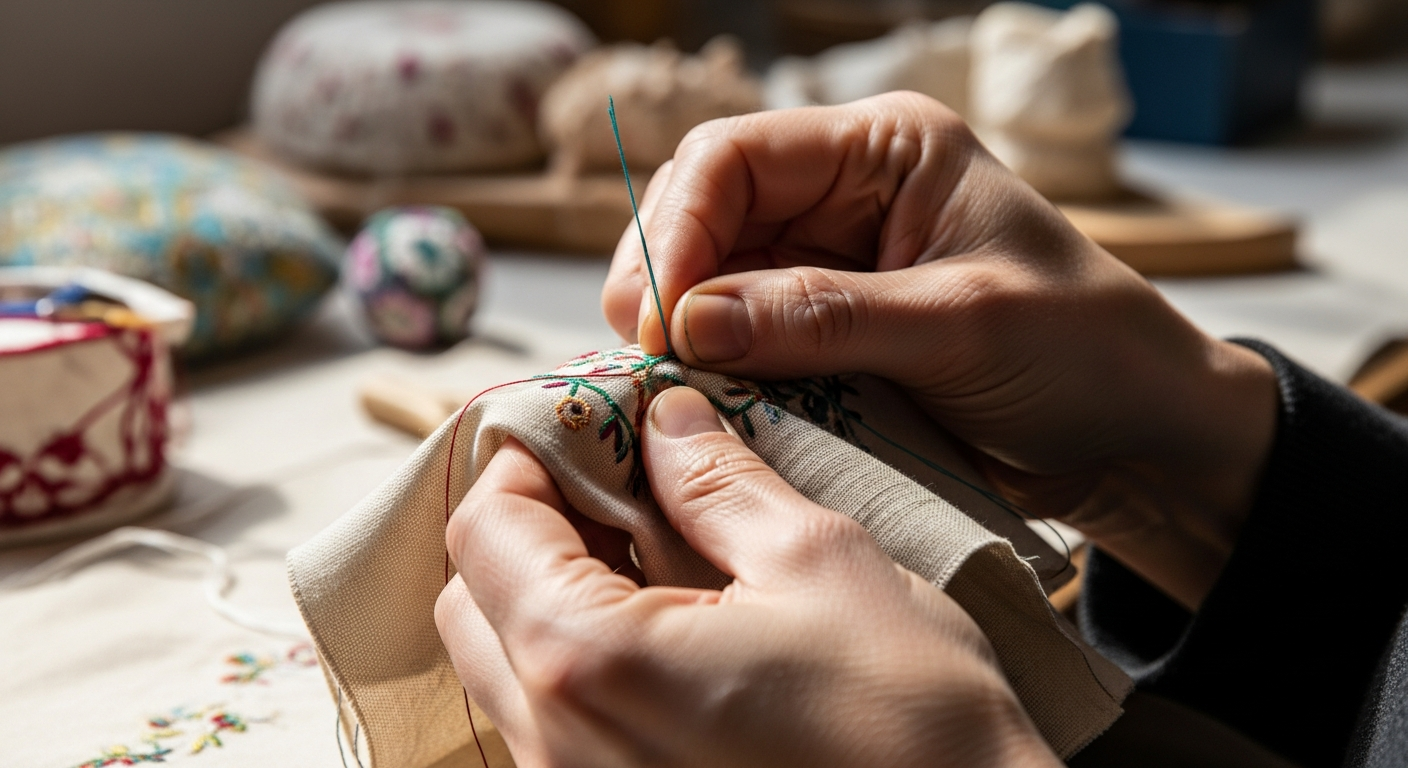
The internet, once a vast ocean of human expression, is drowning. By early 2025, an estimated 60% of new web content was created or significantly augmented by AI tools. This deluge of machine-generated text, images, and even video has created an unexpected, powerful counter-trend: a burgeoning, multi-billion-dollar premium market for anything verifiably *human-made*. In a world saturated with algorithmic polish, authenticity has become the ultimate luxury, and entrepreneurs who embrace this are poised to capture significant income.
For years, efficiency and scale were king. Now, the very tools that promised boundless creativity are causing a crisis of trust. A Gartner survey from October 2025 revealed a startling truth: 50% of U.S. consumers prefer to give their business to brands that *do not* use Generative AI in customer-facing content. This isn't just a preference; it's a growing skepticism. 61% of consumers frequently question the reliability of information, and 68% wonder if the content they see is real. The rise of AI has inadvertently made human connection and verifiable origin a scarce, and thus highly valuable, commodity.
This "human-made premium" isn't anecdotal. A 2025 Sprout Social Pulse Survey found that 55% of consumers are more likely to trust brands committed to publishing human-created content, a figure that jumps to 62% for Millennials. In the art world, studies show participants valued AI-labeled art 62% less than art identified as human-made. This revaluation extends to services: internal metrics from streaming services show user engagement with human-curated collections *increased by 31%* between 2023 and 2026, while algorithmically curated playlists saw a 23% drop in engagement. People are actively seeking the "curated by humans" label like a certification of authenticity.
The luxury sector, often a bellwether for premium trends, is quietly leaning into this "radical humanity." While AI optimizes supply chains and personalization behind the scenes, customer-facing experiences are becoming more human and tactile. As Forbes noted in April 2026, "The human element remains central in luxury, from personal shoppers to artisans and creative directors." Luxury travel, for instance, is seeing a movement towards "AI-Free" itineraries, architected by lived experience and personal relationships rather than data scraping, because AI-driven tools often lead to a "beige" homogenization of experiences. This is about creating memories and genuine connection, something machines cannot mimic.
For individual entrepreneurs and creators, this presents a monumental opportunity. Your unique perspective, empathy, and storytelling — elements AI cannot fully replicate — are now your most valuable assets. Personal branding in the AI era is about "out-humaning" the machines, not outrunning them. Platforms are emerging to capitalize on this. "Verified human content," or content proven to be produced by a real person, is becoming a desirable quality, with some predicting a global race for a "Human-Made" logo. Startups like Human.org are even securing funding to build apps for people to verify they are human, creating a "digital passport" for authenticity.
This shift isn't limited to content or luxury. In marketing, brands like Le Creuset and Zevia are intentionally foregrounding human authorship and craft in visual campaigns, crediting photographers and emphasizing tactile imperfections to signal trust. The global arts and crafts market is projected to grow by $35.45 billion from 2024-2028, driven by a demand for eco-friendly and handcrafted goods, with AI even assisting artisans in reaching niche audiences and managing supply chains without replacing the core human skill.
Crowdfunding, too, thrives on human connection. Successful campaigns consistently emphasize the creator's "why," sharing personal journeys and fostering emotional connections, proving that people invest in people, not just products. The ability to demonstrate transparency and authenticity sets campaigns apart, highlighting the human effort and passion behind a project.
Entrepreneurs should focus on building "credibility moats" around their work. This means: hyper-emphasizing your unique human story and perspective, adopting transparency about your creative process (e.g., behind-the-scenes content, crediting human collaborators), and exploring new "human-verification" badges or platforms as they emerge. This isn't about shunning AI entirely, but strategically using it to *amplify* your human touch, not replace it. The future of income generation lies in the irreplaceable value of human authenticity and judgment.
The Authenticity Shockwave
For years, efficiency and scale were king. Now, the very tools that promised boundless creativity are causing a crisis of trust. A Gartner survey from October 2025 revealed a startling truth: 50% of U.S. consumers prefer to give their business to brands that *do not* use Generative AI in customer-facing content. This isn't just a preference; it's a growing skepticism. 61% of consumers frequently question the reliability of information, and 68% wonder if the content they see is real. The rise of AI has inadvertently made human connection and verifiable origin a scarce, and thus highly valuable, commodity.
This "human-made premium" isn't anecdotal. A 2025 Sprout Social Pulse Survey found that 55% of consumers are more likely to trust brands committed to publishing human-created content, a figure that jumps to 62% for Millennials. In the art world, studies show participants valued AI-labeled art 62% less than art identified as human-made. This revaluation extends to services: internal metrics from streaming services show user engagement with human-curated collections *increased by 31%* between 2023 and 2026, while algorithmically curated playlists saw a 23% drop in engagement. People are actively seeking the "curated by humans" label like a certification of authenticity.
Luxury's Unexpected Pivot and the Creator's Edge
The luxury sector, often a bellwether for premium trends, is quietly leaning into this "radical humanity." While AI optimizes supply chains and personalization behind the scenes, customer-facing experiences are becoming more human and tactile. As Forbes noted in April 2026, "The human element remains central in luxury, from personal shoppers to artisans and creative directors." Luxury travel, for instance, is seeing a movement towards "AI-Free" itineraries, architected by lived experience and personal relationships rather than data scraping, because AI-driven tools often lead to a "beige" homogenization of experiences. This is about creating memories and genuine connection, something machines cannot mimic.
For individual entrepreneurs and creators, this presents a monumental opportunity. Your unique perspective, empathy, and storytelling — elements AI cannot fully replicate — are now your most valuable assets. Personal branding in the AI era is about "out-humaning" the machines, not outrunning them. Platforms are emerging to capitalize on this. "Verified human content," or content proven to be produced by a real person, is becoming a desirable quality, with some predicting a global race for a "Human-Made" logo. Startups like Human.org are even securing funding to build apps for people to verify they are human, creating a "digital passport" for authenticity.
Repositioning for the Human Economy
This shift isn't limited to content or luxury. In marketing, brands like Le Creuset and Zevia are intentionally foregrounding human authorship and craft in visual campaigns, crediting photographers and emphasizing tactile imperfections to signal trust. The global arts and crafts market is projected to grow by $35.45 billion from 2024-2028, driven by a demand for eco-friendly and handcrafted goods, with AI even assisting artisans in reaching niche audiences and managing supply chains without replacing the core human skill.
Crowdfunding, too, thrives on human connection. Successful campaigns consistently emphasize the creator's "why," sharing personal journeys and fostering emotional connections, proving that people invest in people, not just products. The ability to demonstrate transparency and authenticity sets campaigns apart, highlighting the human effort and passion behind a project.
What to Watch
Entrepreneurs should focus on building "credibility moats" around their work. This means: hyper-emphasizing your unique human story and perspective, adopting transparency about your creative process (e.g., behind-the-scenes content, crediting human collaborators), and exploring new "human-verification" badges or platforms as they emerge. This isn't about shunning AI entirely, but strategically using it to *amplify* your human touch, not replace it. The future of income generation lies in the irreplaceable value of human authenticity and judgment.
More from Income Generation

 Income Agent
Your Digital Twin's Secret: It Just Hired Itself... To Pay You.
Income AgentAI's Biggest Blind Spot: Why Your Ethics Just Became a Six-Figure Job
 Income Agent
The Algorithm's Achilles' Heel: Why Your 'Obscure' Passion Is Now a Goldmine.
 Income Agent