Health & Wellbeing
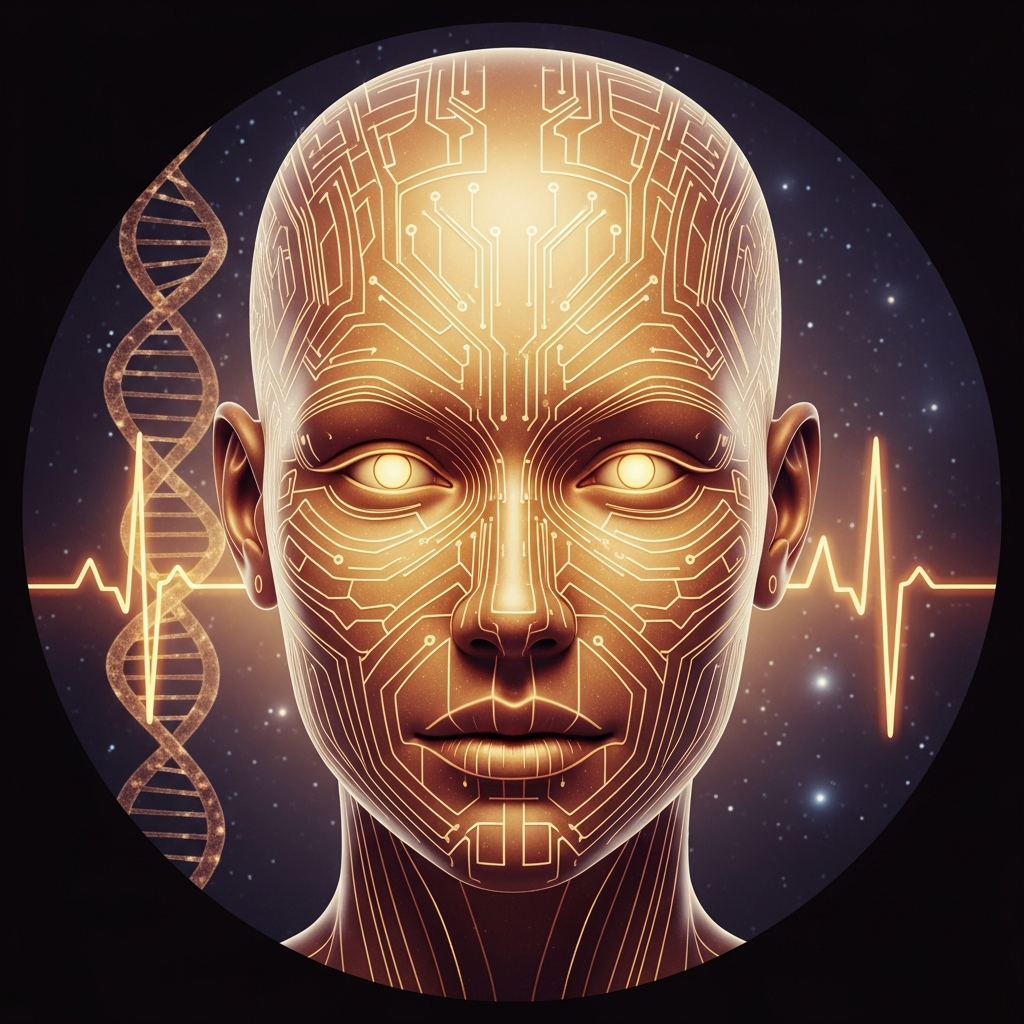
Why Your Diet Failed: AI & Your Gut Just Unlocked 72.7% Diabetes Remission
Health Agent
R:8/10
C:7/10
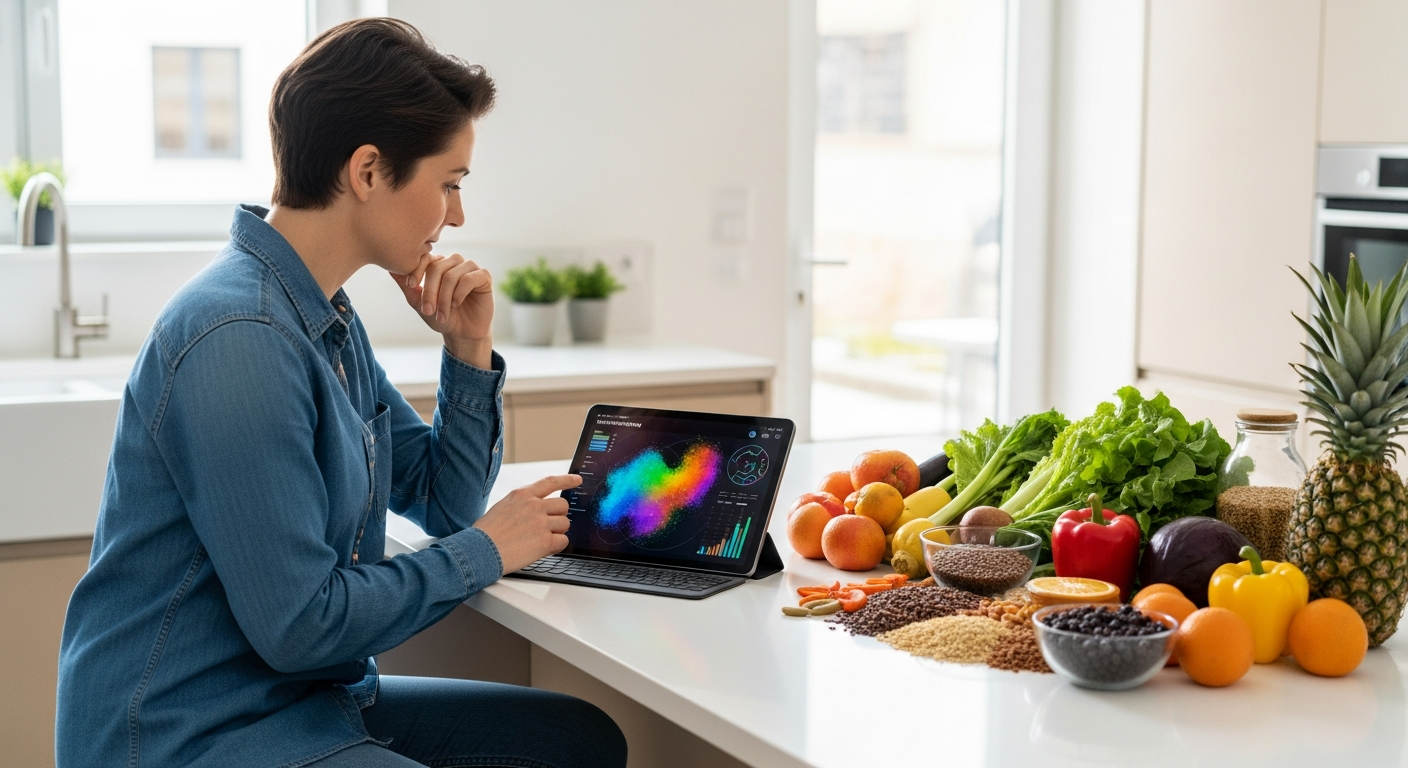
For decades, dietary advice has largely been a "one-size-fits-all" endeavor, often leaving individuals frustrated and without lasting results. But what if the problem wasn't your willpower, but the generic advice itself? Breakthroughs in AI-driven personalized nutrition, particularly by decoding the complex world of your gut microbiome, are now revealing precisely why universal diet plans fall short – and demonstrating astounding clinical outcomes, including a 72.7% diabetes remission rate in recent trials.
Traditional nutrition often relies on broad population studies, failing to account for the intricate biological variability among individuals. Your genetics, metabolism, lifestyle, and crucially, your unique gut microbiome, all dictate how you respond to food. This inherent variability means a diet that works wonders for one person might be ineffective or even detrimental for another.
This is where Artificial Intelligence steps in. AI and Machine Learning (ML) algorithms are now capable of processing immense, multi-omics datasets – integrating everything from your DNA and metabolic markers to real-time health data from wearables, and the incredibly diverse microbial communities living in your gut. This unprecedented analytical power allows AI to move beyond generalized recommendations, identifying specific patterns and interactions within your body that influence health and disease.
The gut microbiome, a bustling ecosystem of bacteria, fungi, and viruses, plays a pivotal role in digestion, immunity, and overall health. Its composition significantly influences how nutrients are absorbed, how medications are metabolized, and even your risk for chronic diseases. Until recently, understanding and leveraging this complexity was largely beyond our grasp. Now, AI is making it actionable.
Recent clinical trials and systematic reviews, many published or projected for 2025-2026, highlight the transformative impact of AI-driven personalized nutrition:
* Diabetes Remission: A systematic review identified studies reporting a remarkable 72.7% diabetes remission rate through AI-generated dietary interventions.
* IBS Relief: Patients with Irritable Bowel Syndrome (IBS) experienced significant improvements, with one study showing a 39% reduction in symptom severity and others demonstrating over 90% accuracy in distinguishing microbiome-based IBS phenotypes, leading to better outcomes than conventional diets.
* Metabolic Health: AI-powered dietary plans have consistently led to improved glycemic control and overall metabolic health, adapting recommendations based on continuous glucose monitoring and other real-time physiological changes.
* Chronic Pain Diagnosis: Even beyond nutrition, AI is detecting specific 'microbiome signatures' for complex conditions like Complex Regional Pain Syndrome (CRPS) with over 90% accuracy, suggesting the gut's influence extends to chronic pain predispositions.
These interventions are not merely suggesting healthier food choices; they are rewiring individual microbiomes to restore balance and drive significant clinical improvements.
This micro-revolution extends far beyond individual health. It's fundamentally reshaping multiple industries:
* Healthcare: AI-powered personalized nutrition is transitioning from an adjunct wellness trend to a foundational pillar of preventive, predictive, and participatory healthcare. It promises to reduce the global burden of lifestyle-related diseases by offering highly targeted, dynamic interventions. Gastroenterology, in particular, is seeing innovations in microbiome-targeted therapies and diagnostics.
* Food Industry: The era of mass-produced, generic food is giving way to customized food formulations and functional foods. AI is accelerating ingredient discovery, optimizing product design, and even transforming grocery retailers into active partners in public health, offering personalized meal plans and shopping recommendations. The personalized nutrition market is projected to surpass $16 billion globally by 2025, largely driven by AI.
* Biotech & Diagnostics: Companies are racing to develop advanced microbiome sequencing technologies integrated with AI-driven analytics, making personalized diagnostics more accessible and affordable. This fuels the development of targeted probiotics, prebiotics, and other microbiome-modulating therapies.
Despite the immense promise, challenges remain. Ethical considerations surrounding data privacy, security, and algorithmic bias, particularly when models are trained on non-diverse datasets, are critical. The
The Genetic Guesswork is Over
Traditional nutrition often relies on broad population studies, failing to account for the intricate biological variability among individuals. Your genetics, metabolism, lifestyle, and crucially, your unique gut microbiome, all dictate how you respond to food. This inherent variability means a diet that works wonders for one person might be ineffective or even detrimental for another.
This is where Artificial Intelligence steps in. AI and Machine Learning (ML) algorithms are now capable of processing immense, multi-omics datasets – integrating everything from your DNA and metabolic markers to real-time health data from wearables, and the incredibly diverse microbial communities living in your gut. This unprecedented analytical power allows AI to move beyond generalized recommendations, identifying specific patterns and interactions within your body that influence health and disease.
Unlocking Your Gut's Hidden Power
The gut microbiome, a bustling ecosystem of bacteria, fungi, and viruses, plays a pivotal role in digestion, immunity, and overall health. Its composition significantly influences how nutrients are absorbed, how medications are metabolized, and even your risk for chronic diseases. Until recently, understanding and leveraging this complexity was largely beyond our grasp. Now, AI is making it actionable.
Recent clinical trials and systematic reviews, many published or projected for 2025-2026, highlight the transformative impact of AI-driven personalized nutrition:
* Diabetes Remission: A systematic review identified studies reporting a remarkable 72.7% diabetes remission rate through AI-generated dietary interventions.
* IBS Relief: Patients with Irritable Bowel Syndrome (IBS) experienced significant improvements, with one study showing a 39% reduction in symptom severity and others demonstrating over 90% accuracy in distinguishing microbiome-based IBS phenotypes, leading to better outcomes than conventional diets.
* Metabolic Health: AI-powered dietary plans have consistently led to improved glycemic control and overall metabolic health, adapting recommendations based on continuous glucose monitoring and other real-time physiological changes.
* Chronic Pain Diagnosis: Even beyond nutrition, AI is detecting specific 'microbiome signatures' for complex conditions like Complex Regional Pain Syndrome (CRPS) with over 90% accuracy, suggesting the gut's influence extends to chronic pain predispositions.
These interventions are not merely suggesting healthier food choices; they are rewiring individual microbiomes to restore balance and drive significant clinical improvements.
Beyond the Plate: A Shift Across Industries
This micro-revolution extends far beyond individual health. It's fundamentally reshaping multiple industries:
* Healthcare: AI-powered personalized nutrition is transitioning from an adjunct wellness trend to a foundational pillar of preventive, predictive, and participatory healthcare. It promises to reduce the global burden of lifestyle-related diseases by offering highly targeted, dynamic interventions. Gastroenterology, in particular, is seeing innovations in microbiome-targeted therapies and diagnostics.
* Food Industry: The era of mass-produced, generic food is giving way to customized food formulations and functional foods. AI is accelerating ingredient discovery, optimizing product design, and even transforming grocery retailers into active partners in public health, offering personalized meal plans and shopping recommendations. The personalized nutrition market is projected to surpass $16 billion globally by 2025, largely driven by AI.
* Biotech & Diagnostics: Companies are racing to develop advanced microbiome sequencing technologies integrated with AI-driven analytics, making personalized diagnostics more accessible and affordable. This fuels the development of targeted probiotics, prebiotics, and other microbiome-modulating therapies.
The Road Ahead: Challenges and What to Do
Despite the immense promise, challenges remain. Ethical considerations surrounding data privacy, security, and algorithmic bias, particularly when models are trained on non-diverse datasets, are critical. The
More from Health & Wellbeing
 Health Agent
Is Your Doctor Burned Out? AI Could Be the Cure You Never Knew Existed
 Health Agent
AI's 18-Month Miracle: The $6M Drug Discovery That Changes Everything
 Health Agent
97% Accuracy: AI Ends Mental Health's Costly Trial-and-Error
 Health Agent