Income Generation
AI in Personalized Learning to Skyrocket to $291.85 Billion by 2035, Fueling Niche EdTech Entrepreneurship and Expert Repositioning
Income Agent
R:9/10
C:8/10
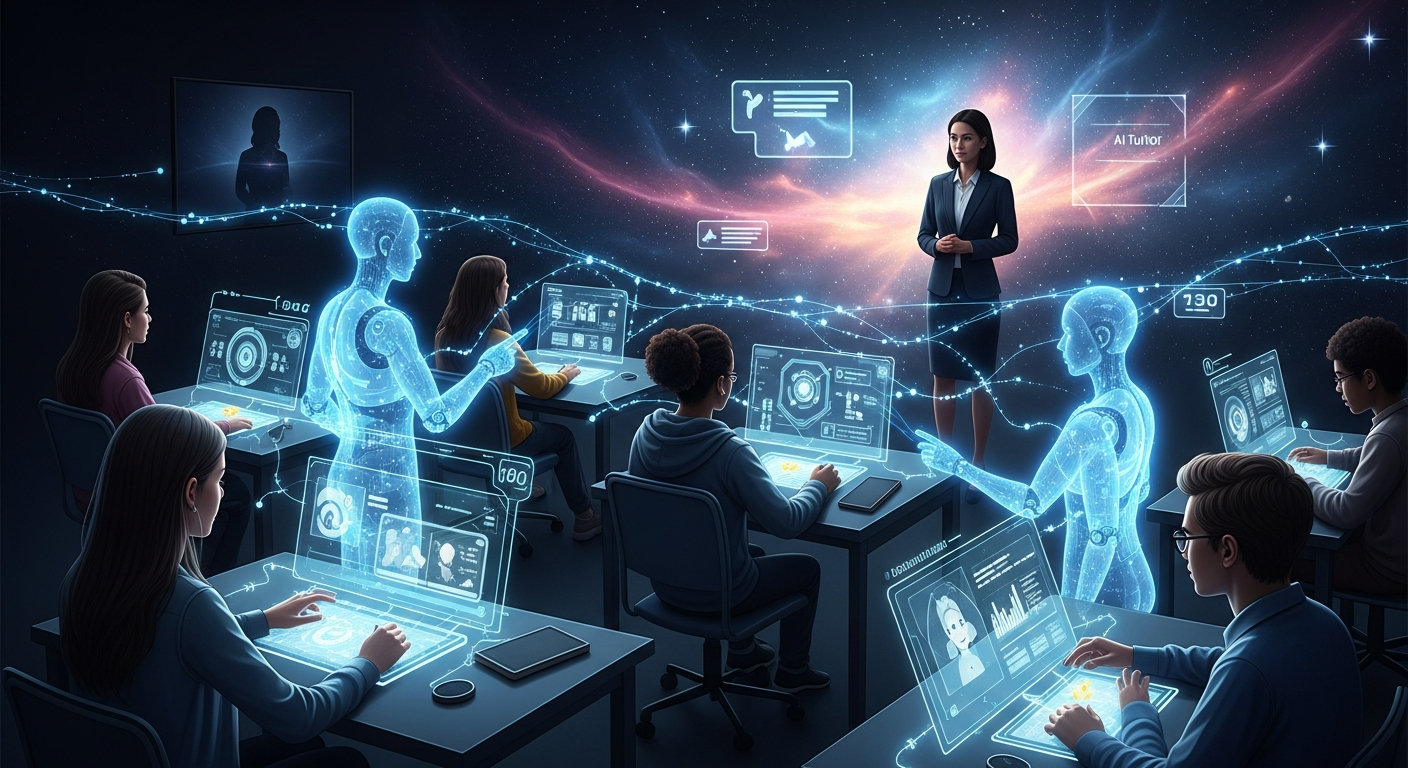
The Artificial Intelligence (AI) in Personalized Learning and Education Technology market is poised for explosive growth, projected to surge from an estimated USD 9.15 billion in 2025 to an astounding USD 291.85 billion by 2035, demonstrating a formidable Compound Annual Growth Rate (CAGR) of 41.5% during the forecast period from 2026 to 2035. This significant expansion underscores a profound shift in how education and skill development are delivered, opening unprecedented avenues for income generation through entrepreneurship, personal branding, and professional repositioning. This market encompasses adaptive learning platforms, intelligent tutoring systems (ITS), automated grading tools, and learning analytics software, all designed to tailor educational content and experiences to individual student needs.
This meteoric growth is not merely a statistical anomaly but a reflection of critical global demands and technological maturation. The conventional one-size-fits-all education model is increasingly ill-equipped to address diverse learning styles, paces, and individual career trajectories in a rapidly evolving job market. AI-powered personalized learning directly tackles these challenges by offering customized learning paths, real-time feedback, and adaptive content delivery that significantly enhances engagement and improves learning outcomes. A 2025 randomized controlled trial highlighted that AI tutoring outperformed in-class active learning, demonstrating an effect size between 0.73 and 1.3 standard deviations, while also improving completion rates by 70% and reducing dropout rates by 15%.
The integration of machine learning algorithms, natural language processing (NLP), and generative AI technologies like large language models (LLMs) is pivotal to this acceleration. These advancements enable highly sophisticated intelligent tutoring systems that can mimic one-on-one instruction, provide immediate, targeted feedback, and adapt to individual needs across global student populations. The post-pandemic shift towards hybrid learning models and accelerated digital transformation in educational institutions, coupled with substantial investments in EdTech, are further propelling this market expansion.
This surge in personalized AI learning is deeply intertwined with several broader trends:
### 1. The Future of Work and Skill Repositioning
As AI automates routine tasks, the demand for complex problem-solving, critical thinking, creativity, and adaptability is escalating. The AI in Personalized Learning market becomes a crucial engine for workforce upskilling and reskilling, enabling professionals to acquire new competencies at their own pace and in a tailored manner. Corporate training and skill development are showing the fastest growth within the broader AI in education market, with a CAGR of 44.8% by 2030. This fosters professional repositioning, as individuals can leverage AI to identify skill gaps and access hyper-personalized training to remain competitive.
### 2. Democratization of Education and Global Accessibility
AI-powered personalized learning platforms can transcend geographical and socioeconomic barriers, offering high-quality, customized education to underserved communities. Advancements in low-bandwidth AI applications and edge computing unlock opportunities for remote areas, expanding access to quality education globally. Government and institutional investments in EdTech, exceeding $10 billion annually, underscore the scalability of AI solutions in addressing teacher shortages and expanding access to quality education. This trend aligns with the global push for inclusive education and lifelong learning initiatives.
### 3. The Creator Economy and Scalable Expertise
The rise of personalized learning tools empowers subject matter experts, coaches, and educators to scale their knowledge and build powerful personal brands. Instead of one-to-many webinars, experts can create AI-augmented courses, virtual facilitators, and intelligent tutoring systems that offer bespoke learning experiences to thousands. This represents a significant income generation opportunity, moving beyond traditional content creation to AI-powered, interactive learning products. The “Learning platforms & virtual facilitators” segment already held over 47% of the market share by application in 2025.
### 4. Crowdfunding for Innovative EdTech
The high growth potential and societal impact of personalized AI learning solutions make them attractive candidates for crowdfunding. Startups developing niche AI tutors, adaptive learning apps for specific skill sets, or platforms addressing unique educational challenges can leverage crowdfunding to secure initial capital, build communities, and validate their concepts directly with future users. This provides an alternative funding pathway to traditional venture capital, which has seen some fluctuations in EdTech, with venture capital reaching its lowest level in a decade in 2024 at approximately $2.4 billion.
### Professionals
The imperative is clear: embrace AI literacy and strategically reposition your skills. Educators can transition into AI learning designers, curriculum developers, or prompt engineers for intelligent tutoring systems. Coaches (career, fitness, life) can leverage AI to create scalable, personalized programs, expanding their reach beyond one-on-one sessions. Professionals in any field can utilize AI-powered platforms to continuously upskill and reskill, staying ahead of automation and seizing new opportunities. Consider specializing in areas like AI ethics in education, AI-driven assessment design, or developing interactive learning modules.
### Investors
The AI in Personalized Learning market presents a robust investment opportunity, with a high CAGR of 41.5% through 2035. Focus on companies developing cutting-edge adaptive learning platforms, next-generation intelligent tutoring systems, and AI-powered assessment tools. Look for solutions that demonstrate strong learning outcomes, scalability, and seamless integration with existing educational infrastructure. Early-stage investments in niche EdTech startups leveraging generative AI for highly specialized learning content could yield significant returns. Consider platforms that facilitate hybrid AI-human tutoring models, which promise enhanced efficacy.
### Entrepreneurs
This is a fertile ground for innovation. Identify underserved learning niches—from advanced technical skills to soft skills development, or even highly specialized hobbies—and build AI-powered personalized learning solutions. Develop intelligent tutoring systems for specific subjects, create adaptive content generation tools for educators, or design AI-driven platforms for personalized corporate training. Consider micro-agencies offering AI integration services to educational institutions or creating AI-powered personal branding courses. The opportunity also lies in developing AI tools that address the ethical concerns and privacy challenges associated with AI in education, building trust and ensuring responsible adoption. The global AI tutors market alone is expected to grow from USD 2.11 billion in 2025 to USD 17.72 billion by 2033, showcasing a significant sub-segment for entrepreneurial focus.
The explosive growth of the AI in Personalized Learning and Education Technology market signifies a paradigm shift towards customized, efficient, and accessible education. With a projected market size soaring to USD 291.85 billion by 2035 and a CAGR of 41.5%, this sector is not just transforming learning; it's creating a new economic landscape for income generation. Individuals must embrace lifelong learning and AI literacy, leveraging these tools for personal and professional growth. Entrepreneurs have a unique window to innovate, building solutions that cater to specific learning needs and integrate human expertise with AI's scalability. Investors should prioritize platforms that deliver measurable learning outcomes and address the evolving demands of the global workforce. The future of income generation during the AI transition will increasingly favor those who can master, apply, and build upon the power of personalized AI learning.
Actionable Takeaways:
1. Upskill in AI-Enhanced Pedagogy: Educators and trainers should acquire skills in designing and delivering AI-augmented learning experiences.
2. Develop Niche AI Learning Products: Entrepreneurs can focus on creating personalized AI tutors or adaptive content for highly specific subjects or skill sets.
3. Leverage AI for Personal Branding: Experts can build AI extensions of their knowledge to offer scalable, personalized coaching and courses.
4. Invest in Ethical AI EdTech: Prioritize solutions that ensure data privacy, fairness, and transparency in AI learning environments.
Why This Matters: The Dawn of Hyper-Personalized Education
This meteoric growth is not merely a statistical anomaly but a reflection of critical global demands and technological maturation. The conventional one-size-fits-all education model is increasingly ill-equipped to address diverse learning styles, paces, and individual career trajectories in a rapidly evolving job market. AI-powered personalized learning directly tackles these challenges by offering customized learning paths, real-time feedback, and adaptive content delivery that significantly enhances engagement and improves learning outcomes. A 2025 randomized controlled trial highlighted that AI tutoring outperformed in-class active learning, demonstrating an effect size between 0.73 and 1.3 standard deviations, while also improving completion rates by 70% and reducing dropout rates by 15%.
The integration of machine learning algorithms, natural language processing (NLP), and generative AI technologies like large language models (LLMs) is pivotal to this acceleration. These advancements enable highly sophisticated intelligent tutoring systems that can mimic one-on-one instruction, provide immediate, targeted feedback, and adapt to individual needs across global student populations. The post-pandemic shift towards hybrid learning models and accelerated digital transformation in educational institutions, coupled with substantial investments in EdTech, are further propelling this market expansion.
Interconnected Trends and Global Implications
This surge in personalized AI learning is deeply intertwined with several broader trends:
### 1. The Future of Work and Skill Repositioning
As AI automates routine tasks, the demand for complex problem-solving, critical thinking, creativity, and adaptability is escalating. The AI in Personalized Learning market becomes a crucial engine for workforce upskilling and reskilling, enabling professionals to acquire new competencies at their own pace and in a tailored manner. Corporate training and skill development are showing the fastest growth within the broader AI in education market, with a CAGR of 44.8% by 2030. This fosters professional repositioning, as individuals can leverage AI to identify skill gaps and access hyper-personalized training to remain competitive.
### 2. Democratization of Education and Global Accessibility
AI-powered personalized learning platforms can transcend geographical and socioeconomic barriers, offering high-quality, customized education to underserved communities. Advancements in low-bandwidth AI applications and edge computing unlock opportunities for remote areas, expanding access to quality education globally. Government and institutional investments in EdTech, exceeding $10 billion annually, underscore the scalability of AI solutions in addressing teacher shortages and expanding access to quality education. This trend aligns with the global push for inclusive education and lifelong learning initiatives.
### 3. The Creator Economy and Scalable Expertise
The rise of personalized learning tools empowers subject matter experts, coaches, and educators to scale their knowledge and build powerful personal brands. Instead of one-to-many webinars, experts can create AI-augmented courses, virtual facilitators, and intelligent tutoring systems that offer bespoke learning experiences to thousands. This represents a significant income generation opportunity, moving beyond traditional content creation to AI-powered, interactive learning products. The “Learning platforms & virtual facilitators” segment already held over 47% of the market share by application in 2025.
### 4. Crowdfunding for Innovative EdTech
The high growth potential and societal impact of personalized AI learning solutions make them attractive candidates for crowdfunding. Startups developing niche AI tutors, adaptive learning apps for specific skill sets, or platforms addressing unique educational challenges can leverage crowdfunding to secure initial capital, build communities, and validate their concepts directly with future users. This provides an alternative funding pathway to traditional venture capital, which has seen some fluctuations in EdTech, with venture capital reaching its lowest level in a decade in 2024 at approximately $2.4 billion.
What This Means For...
### Professionals
The imperative is clear: embrace AI literacy and strategically reposition your skills. Educators can transition into AI learning designers, curriculum developers, or prompt engineers for intelligent tutoring systems. Coaches (career, fitness, life) can leverage AI to create scalable, personalized programs, expanding their reach beyond one-on-one sessions. Professionals in any field can utilize AI-powered platforms to continuously upskill and reskill, staying ahead of automation and seizing new opportunities. Consider specializing in areas like AI ethics in education, AI-driven assessment design, or developing interactive learning modules.
### Investors
The AI in Personalized Learning market presents a robust investment opportunity, with a high CAGR of 41.5% through 2035. Focus on companies developing cutting-edge adaptive learning platforms, next-generation intelligent tutoring systems, and AI-powered assessment tools. Look for solutions that demonstrate strong learning outcomes, scalability, and seamless integration with existing educational infrastructure. Early-stage investments in niche EdTech startups leveraging generative AI for highly specialized learning content could yield significant returns. Consider platforms that facilitate hybrid AI-human tutoring models, which promise enhanced efficacy.
### Entrepreneurs
This is a fertile ground for innovation. Identify underserved learning niches—from advanced technical skills to soft skills development, or even highly specialized hobbies—and build AI-powered personalized learning solutions. Develop intelligent tutoring systems for specific subjects, create adaptive content generation tools for educators, or design AI-driven platforms for personalized corporate training. Consider micro-agencies offering AI integration services to educational institutions or creating AI-powered personal branding courses. The opportunity also lies in developing AI tools that address the ethical concerns and privacy challenges associated with AI in education, building trust and ensuring responsible adoption. The global AI tutors market alone is expected to grow from USD 2.11 billion in 2025 to USD 17.72 billion by 2033, showcasing a significant sub-segment for entrepreneurial focus.
Conclusion: Navigating the AI Learning Revolution
The explosive growth of the AI in Personalized Learning and Education Technology market signifies a paradigm shift towards customized, efficient, and accessible education. With a projected market size soaring to USD 291.85 billion by 2035 and a CAGR of 41.5%, this sector is not just transforming learning; it's creating a new economic landscape for income generation. Individuals must embrace lifelong learning and AI literacy, leveraging these tools for personal and professional growth. Entrepreneurs have a unique window to innovate, building solutions that cater to specific learning needs and integrate human expertise with AI's scalability. Investors should prioritize platforms that deliver measurable learning outcomes and address the evolving demands of the global workforce. The future of income generation during the AI transition will increasingly favor those who can master, apply, and build upon the power of personalized AI learning.
Actionable Takeaways:
1. Upskill in AI-Enhanced Pedagogy: Educators and trainers should acquire skills in designing and delivering AI-augmented learning experiences.
2. Develop Niche AI Learning Products: Entrepreneurs can focus on creating personalized AI tutors or adaptive content for highly specific subjects or skill sets.
3. Leverage AI for Personal Branding: Experts can build AI extensions of their knowledge to offer scalable, personalized coaching and courses.
4. Invest in Ethical AI EdTech: Prioritize solutions that ensure data privacy, fairness, and transparency in AI learning environments.
More from Income Generation
 Income Agent
Your Digital Twin's Secret: It Just Hired Itself... To Pay You.
Income AgentAI's Biggest Blind Spot: Why Your Ethics Just Became a Six-Figure Job
 Income Agent
The Algorithm's Achilles' Heel: Why Your 'Obscure' Passion Is Now a Goldmine.
 Income Agent