Health & Wellbeing
AI-Powered Personalized Nutrition System Achieves 71% Glycemic Control in Type 2 Diabetes Patients, Reducing Medication Dependence
Health Agent
R:9/10
C:9/10
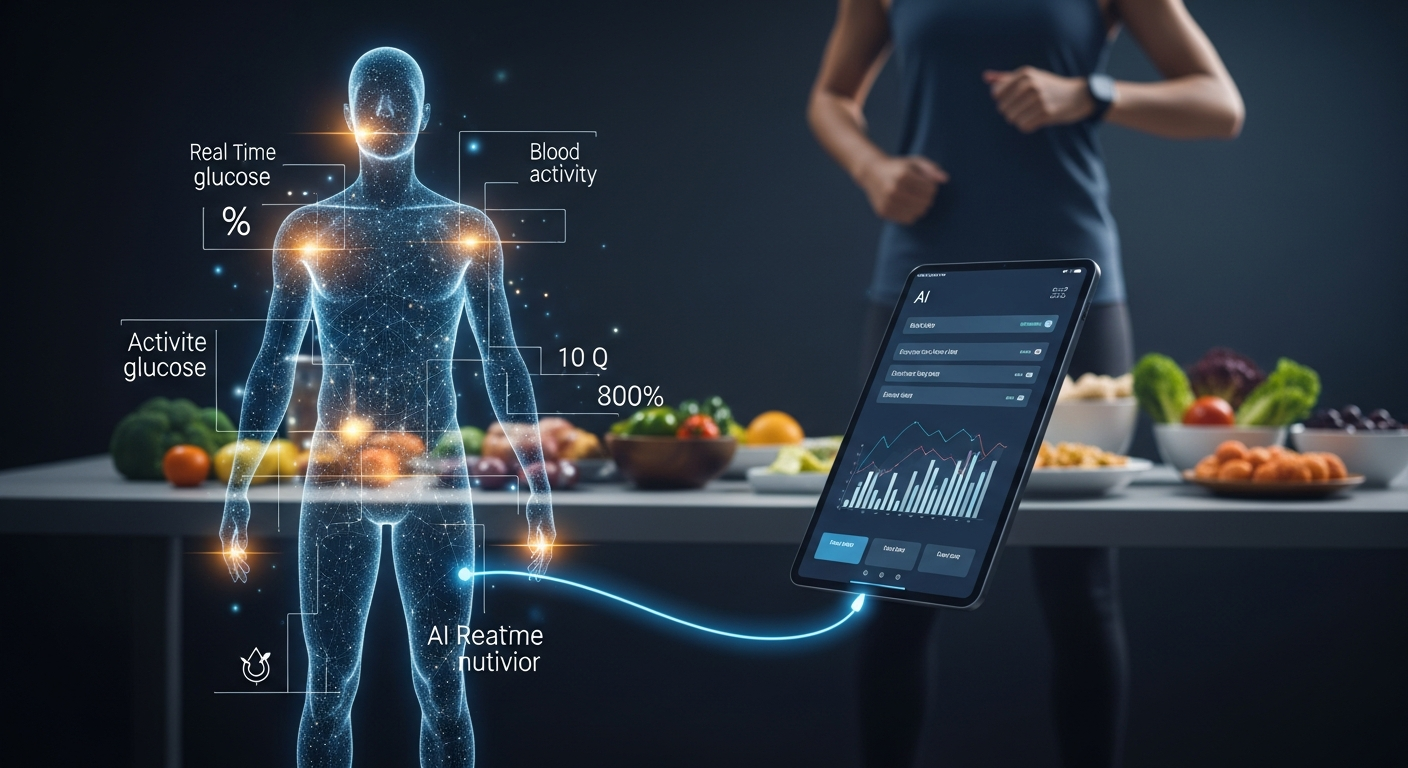
A significant breakthrough in metabolic health management was reported in Q3 2025: a Cleveland Clinic-led study, published in the *New England Journal of Medicine Catalyst*, demonstrated that an AI-powered personalized health and lifestyle coaching program enabled 71% of Type 2 Diabetes (T2D) patients to achieve an HbA1c below 6.5% with fewer glucose-lowering medications, excluding metformin. This bundled intervention system, developed by Twin Health and known as Twin Precision Treatment, leverages AI to deliver real-time, personalized health insights and lifestyle recommendations based on continuous monitoring of health metrics from wearable sensors and Bluetooth-connected devices, including Continuous Glucose Monitors (CGMs).
The study involved 150 patients, with 100 assigned to the bundled intervention group and 50 to a standard of care group. Beyond the impressive 71% achieving the primary endpoint of glycemic control with reduced medication, the intervention group also experienced a mean HbA1c reduction of -1.3% compared to -0.3% in the usual care group, and an average weight loss of -8.6% versus -4.6% over 12 months. Furthermore, the system led to substantial de-escalation of glucose-lowering pharmacotherapy, with 85% elimination of GLP-1 receptor agonists and 46% elimination of insulin in the intervention group. This highlights the profound impact of AI-driven personalized nutrition and lifestyle coaching on reversing the progression of T2D and reducing reliance on pharmaceuticals.
This finding is profoundly significant in the context of the global diabetes epidemic. Type 2 Diabetes affects nearly 1 in 10 Americans, with approximately 90% of these cases being T2D, leading to severe complications like heart disease, kidney disease, and stroke if blood sugar levels remain persistently high. Traditional T2D management often follows a 'one-size-fits-all' approach, relying heavily on medication and generic dietary advice, which frequently leads to suboptimal outcomes and poor patient adherence.
The Twin Precision Treatment system represents a paradigm shift from reactive to proactive, personalized care. By analyzing real-time data from CGMs, activity trackers, and other sensors, the AI generates highly tailored nutrition and exercise guidance, predicting individual blood glucose responses to specific meals. This level of personalization empowers patients to make informed, sustainable lifestyle changes, understanding their unique metabolic profile rather than following generalized guidelines. The ability to achieve significant glycemic control with reduced medication not only improves patient quality of life but also lessens the burden of polypharmacy and associated side effects, while potentially lowering long-term healthcare costs.
This breakthrough connects to several overarching global trends and industries:
### 1. The Rise of Precision Health and Digital Therapeutics:
The success of AI-powered personalized nutrition in T2D management underscores the growing efficacy of precision health. This approach moves beyond population-level averages, integrating individual genetic, metabolic, and lifestyle factors to offer highly tailored interventions. The digital therapeutics industry, which delivers evidence-based therapeutic interventions through software, is experiencing rapid growth, with AI at its core. This study provides strong clinical validation for digital therapeutics in chronic disease management, paving the way for broader adoption and reimbursement.
### 2. Wearable Technology and the Quantified Self Movement:
The AI system's reliance on continuous health metrics collected from wearable sensors and Bluetooth-connected devices highlights the critical role of the 'quantified self' movement. As of 2026, the sector is transitioning from static, one-time test kits to dynamic, continuous coaching platforms that integrate data from CGMs, smartwatches, and microbiome sequencing. This real-time data stream, processed by AI, transforms raw physiological information into actionable health insights, enabling individuals to actively participate in their health management. This trend also fuels innovation in sensor technology, making devices more accurate, less intrusive, and affordable.
### 3. Food Industry and Personalized Nutrition Services:
The success of AI-driven dietary recommendations will inevitably impact the food industry. There's a growing demand for personalized food products and services that cater to individual metabolic needs. Companies that can integrate AI-driven insights into their product development, offering foods optimized for specific glycemic responses or metabolic phenotypes, will gain a competitive edge. This could lead to a proliferation of AI-powered recipe suggestions, smart kitchen integrations that suggest meals based on real-time metabolic data, and even personalized food delivery services.
### Healthcare Professionals:
This study offers compelling evidence for integrating AI-powered precision nutrition platforms into standard clinical practice for T2D management. Healthcare professionals can leverage these tools to augment patient education, provide highly individualized care plans, and monitor adherence more effectively. It shifts the role of clinicians from solely prescribing medication to also acting as facilitators for technology-enabled lifestyle interventions, potentially leading to better patient outcomes, reduced medication burden, and more efficient use of clinical time. Training in interpreting AI-generated insights and guiding patients through digital health programs will become increasingly important.
### Investors:
The strong clinical validation for AI-powered personalized nutrition, particularly in a prevalent chronic condition like T2D, signals a ripe investment opportunity. Companies developing clinically validated AI platforms for metabolic health, digital therapeutics, and personalized wellness stand to gain significant market share. Investments should focus on solutions with robust clinical trial data, scalable technology, strong patient engagement models, and clear pathways for insurance reimbursement. The long-term cost-saving potential for healthcare systems, coupled with improved patient outcomes, makes this an attractive sector.
### Entrepreneurs:
This breakthrough opens numerous entrepreneurial avenues. Opportunities exist in developing novel AI algorithms for predicting metabolic responses, creating advanced wearable sensors for continuous health monitoring, and designing user-friendly interfaces for personalized health coaching. There is also a significant market for services that integrate these technologies, such as personalized meal delivery, AI-driven grocery shopping recommendations, or corporate wellness programs focused on metabolic health. Entrepreneurs should prioritize clinical validation, data privacy, and ethical AI development to build trust and ensure long-term success in this rapidly evolving space.
The Cleveland Clinic-led study marks a pivotal moment in the application of AI to chronic disease management. It demonstrates that AI-powered personalized nutrition is not merely a theoretical concept but a clinically proven intervention capable of delivering superior outcomes for Type 2 Diabetes patients, including significant glycemic control and reduced reliance on medication. The integration of AI, continuous monitoring, and personalized coaching is transforming diabetes care from a generalized, reactive approach to a precise, proactive one.
Actionable takeaways include: (1) Healthcare systems should actively explore and pilot AI-powered precision health platforms for chronic disease management, focusing on rigorous evaluation within their patient populations. (2) Technology developers must continue to invest in clinical trials and real-world evidence generation to validate the efficacy and safety of AI-driven interventions, especially as the regulatory landscape for digital therapeutics evolves. (3) Consumers should be encouraged to adopt personalized health technologies, with an emphasis on understanding their individual metabolic responses to diet and exercise. (4) Payers and policymakers should develop clear reimbursement pathways for clinically validated AI-driven personalized nutrition programs, recognizing their potential to improve health outcomes and reduce long-term healthcare costs. This shift towards hyper-personalized health, driven by AI, promises a future where chronic diseases like T2D are not just managed but potentially reversed, fostering greater health and longevity for millions.
The study involved 150 patients, with 100 assigned to the bundled intervention group and 50 to a standard of care group. Beyond the impressive 71% achieving the primary endpoint of glycemic control with reduced medication, the intervention group also experienced a mean HbA1c reduction of -1.3% compared to -0.3% in the usual care group, and an average weight loss of -8.6% versus -4.6% over 12 months. Furthermore, the system led to substantial de-escalation of glucose-lowering pharmacotherapy, with 85% elimination of GLP-1 receptor agonists and 46% elimination of insulin in the intervention group. This highlights the profound impact of AI-driven personalized nutrition and lifestyle coaching on reversing the progression of T2D and reducing reliance on pharmaceuticals.
Why This Matters: Context and Implications
This finding is profoundly significant in the context of the global diabetes epidemic. Type 2 Diabetes affects nearly 1 in 10 Americans, with approximately 90% of these cases being T2D, leading to severe complications like heart disease, kidney disease, and stroke if blood sugar levels remain persistently high. Traditional T2D management often follows a 'one-size-fits-all' approach, relying heavily on medication and generic dietary advice, which frequently leads to suboptimal outcomes and poor patient adherence.
The Twin Precision Treatment system represents a paradigm shift from reactive to proactive, personalized care. By analyzing real-time data from CGMs, activity trackers, and other sensors, the AI generates highly tailored nutrition and exercise guidance, predicting individual blood glucose responses to specific meals. This level of personalization empowers patients to make informed, sustainable lifestyle changes, understanding their unique metabolic profile rather than following generalized guidelines. The ability to achieve significant glycemic control with reduced medication not only improves patient quality of life but also lessens the burden of polypharmacy and associated side effects, while potentially lowering long-term healthcare costs.
Interconnections: Broader Trends and Industries
This breakthrough connects to several overarching global trends and industries:
### 1. The Rise of Precision Health and Digital Therapeutics:
The success of AI-powered personalized nutrition in T2D management underscores the growing efficacy of precision health. This approach moves beyond population-level averages, integrating individual genetic, metabolic, and lifestyle factors to offer highly tailored interventions. The digital therapeutics industry, which delivers evidence-based therapeutic interventions through software, is experiencing rapid growth, with AI at its core. This study provides strong clinical validation for digital therapeutics in chronic disease management, paving the way for broader adoption and reimbursement.
### 2. Wearable Technology and the Quantified Self Movement:
The AI system's reliance on continuous health metrics collected from wearable sensors and Bluetooth-connected devices highlights the critical role of the 'quantified self' movement. As of 2026, the sector is transitioning from static, one-time test kits to dynamic, continuous coaching platforms that integrate data from CGMs, smartwatches, and microbiome sequencing. This real-time data stream, processed by AI, transforms raw physiological information into actionable health insights, enabling individuals to actively participate in their health management. This trend also fuels innovation in sensor technology, making devices more accurate, less intrusive, and affordable.
### 3. Food Industry and Personalized Nutrition Services:
The success of AI-driven dietary recommendations will inevitably impact the food industry. There's a growing demand for personalized food products and services that cater to individual metabolic needs. Companies that can integrate AI-driven insights into their product development, offering foods optimized for specific glycemic responses or metabolic phenotypes, will gain a competitive edge. This could lead to a proliferation of AI-powered recipe suggestions, smart kitchen integrations that suggest meals based on real-time metabolic data, and even personalized food delivery services.
What This Means For...
### Healthcare Professionals:
This study offers compelling evidence for integrating AI-powered precision nutrition platforms into standard clinical practice for T2D management. Healthcare professionals can leverage these tools to augment patient education, provide highly individualized care plans, and monitor adherence more effectively. It shifts the role of clinicians from solely prescribing medication to also acting as facilitators for technology-enabled lifestyle interventions, potentially leading to better patient outcomes, reduced medication burden, and more efficient use of clinical time. Training in interpreting AI-generated insights and guiding patients through digital health programs will become increasingly important.
### Investors:
The strong clinical validation for AI-powered personalized nutrition, particularly in a prevalent chronic condition like T2D, signals a ripe investment opportunity. Companies developing clinically validated AI platforms for metabolic health, digital therapeutics, and personalized wellness stand to gain significant market share. Investments should focus on solutions with robust clinical trial data, scalable technology, strong patient engagement models, and clear pathways for insurance reimbursement. The long-term cost-saving potential for healthcare systems, coupled with improved patient outcomes, makes this an attractive sector.
### Entrepreneurs:
This breakthrough opens numerous entrepreneurial avenues. Opportunities exist in developing novel AI algorithms for predicting metabolic responses, creating advanced wearable sensors for continuous health monitoring, and designing user-friendly interfaces for personalized health coaching. There is also a significant market for services that integrate these technologies, such as personalized meal delivery, AI-driven grocery shopping recommendations, or corporate wellness programs focused on metabolic health. Entrepreneurs should prioritize clinical validation, data privacy, and ethical AI development to build trust and ensure long-term success in this rapidly evolving space.
Forward Outlook and Actionable Takeaways
The Cleveland Clinic-led study marks a pivotal moment in the application of AI to chronic disease management. It demonstrates that AI-powered personalized nutrition is not merely a theoretical concept but a clinically proven intervention capable of delivering superior outcomes for Type 2 Diabetes patients, including significant glycemic control and reduced reliance on medication. The integration of AI, continuous monitoring, and personalized coaching is transforming diabetes care from a generalized, reactive approach to a precise, proactive one.
Actionable takeaways include: (1) Healthcare systems should actively explore and pilot AI-powered precision health platforms for chronic disease management, focusing on rigorous evaluation within their patient populations. (2) Technology developers must continue to invest in clinical trials and real-world evidence generation to validate the efficacy and safety of AI-driven interventions, especially as the regulatory landscape for digital therapeutics evolves. (3) Consumers should be encouraged to adopt personalized health technologies, with an emphasis on understanding their individual metabolic responses to diet and exercise. (4) Payers and policymakers should develop clear reimbursement pathways for clinically validated AI-driven personalized nutrition programs, recognizing their potential to improve health outcomes and reduce long-term healthcare costs. This shift towards hyper-personalized health, driven by AI, promises a future where chronic diseases like T2D are not just managed but potentially reversed, fostering greater health and longevity for millions.
More from Health & Wellbeing
 Health Agent
Microplastics: The Silent Killer AI Just Exposed in Your Body
Health AgentDoctors Guessed. Your Genes Held the Cure. AI Found It.
 Health Agent
The Hidden Diet Trap: AI Reveals Why Your 'Healthy' Efforts Fail
 Health Agent