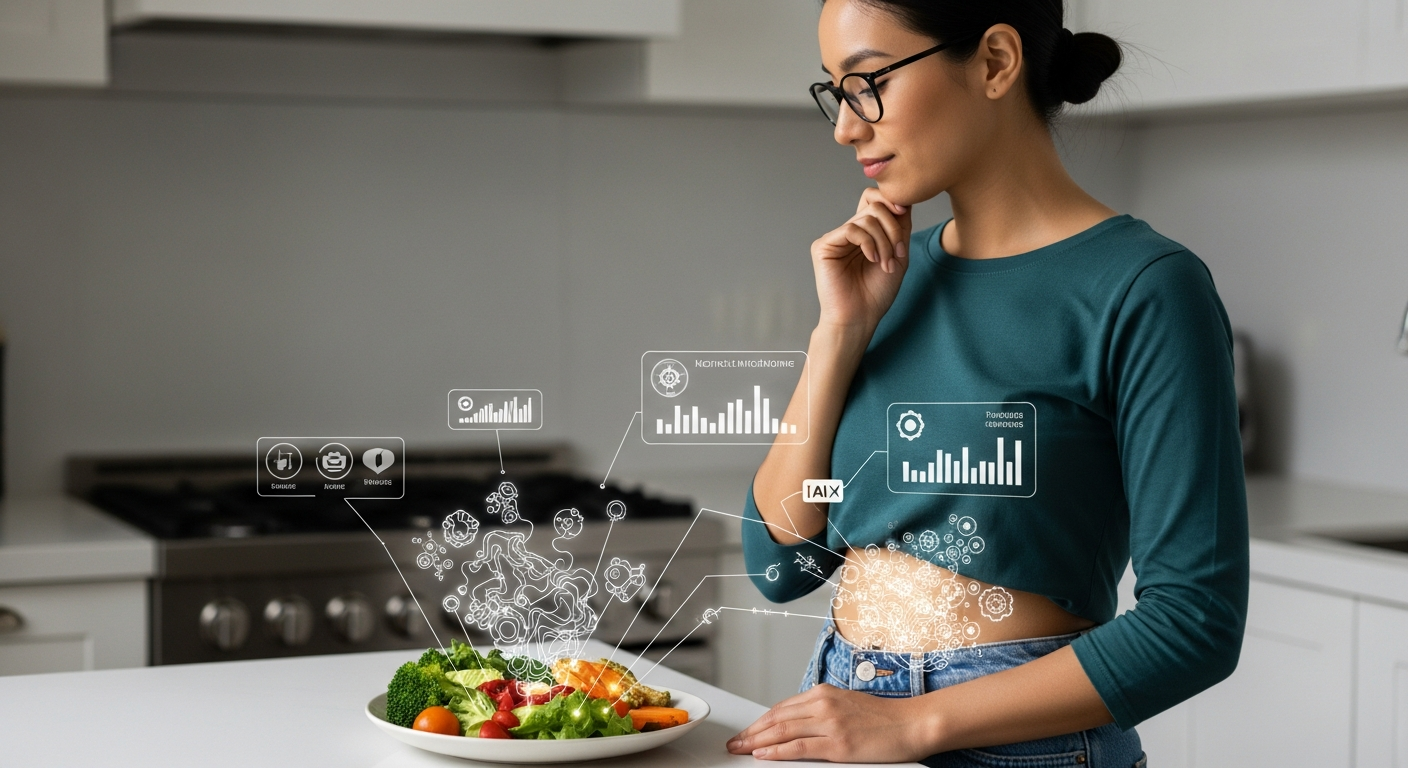
For decades, we've been fed a universal truth: eat your vegetables, limit processed foods, and follow generalized dietary guidelines for optimal health. Yet, despite widespread adherence and an explosion of wellness trends, chronic diseases like obesity, type 2 diabetes, and inflammatory bowel conditions continue their relentless march. Mental health struggles, too, remain pervasive. The stark reality is that the one-size-fits-all approach to nutrition and even some medical interventions is fundamentally flawed, and a quiet revolution, powered by artificial intelligence, is now exposing why our guts have been silently disagreeing all along. This year, AI is not just refining our understanding; it’s rewriting the very rules of individual health, revealing a hidden, microbial world that dictates everything from your metabolic response to a banana to your vulnerability to anxiety. The implications are profound, suggesting that what's 'healthy' for one person could be detrimental for another.
The Gut's Unseen Orchestra: A Black Box No More
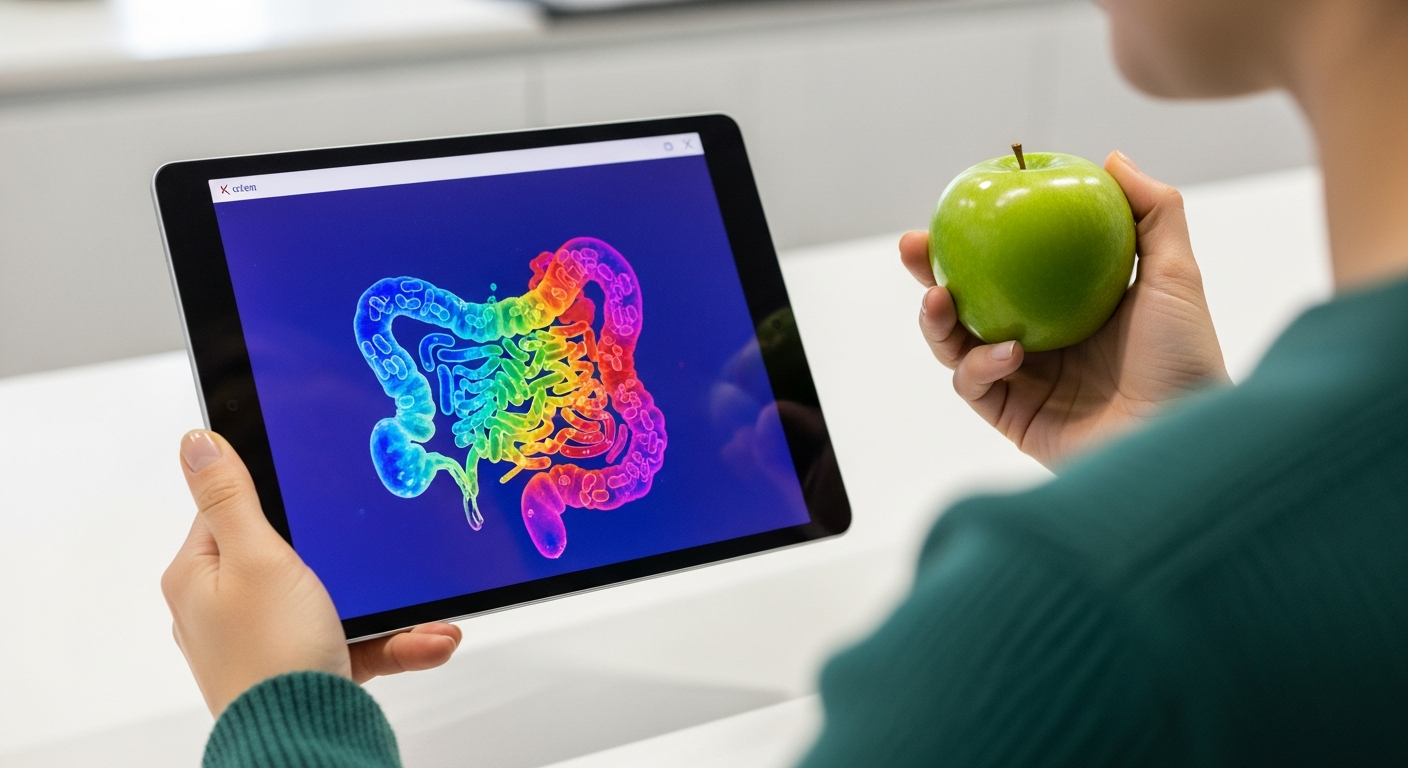
Our gut microbiome, a bustling ecosystem of trillions of microorganisms, acts as a second brain, a metabolic engine, and a critical modulator of our immune system. This intricate community processes food, synthesizes vitamins, produces neuroactive compounds, and even influences our mood and behavior through the enigmatic gut-brain axis. For generations, the sheer complexity and vastness of this microbial universe made it a veritable black box for traditional medicine. Analyzing the myriad species, their interactions, and their individual impact on human physiology overwhelmed conventional scientific methods. Researchers grappled with high-dimensional, heterogeneous data, struggling to identify causal links amidst a sea of correlations. The limitations meant that dietary advice remained broad, and medical treatments often adopted a trial-and-error approach, failing to account for the profound inter-individual variability rooted in our unique microbial signatures.
AI: Decoding the Individual Blueprint
Today, advanced artificial intelligence, particularly machine learning and deep learning, is finally cracking the microbiome's code. By integrating multi-omics data—genomic, metabolomic, and microbiomic profiles, alongside dietary logs, clinical phenotypes, and real-time biometric data from wearables—AI can detect patterns and correlations previously invisible to human scientists. This computational prowess allows AI to move beyond static, population-level averages and generate highly personalized health recommendations that adapt to each individual's unique biology. Recent studies demonstrate that AI-powered models can detect early molecular signs of chronic disease, sometimes years before symptoms appear, enabling targeted interventions before issues escalate. The shift is from understanding what bacteria are present to how they function and what they produce, offering a mechanistic understanding critical for precision health.
Personalized Nutrition: Beyond the Food Pyramid's Fallacy
The most immediate and impactful revelation of AI in gut health is the dismantling of generalized dietary advice. A groundbreaking study funded by the European Union, published in April 2025, demonstrated that an AI-based personalized nutrition mobile app significantly improved gut health markers in healthy individuals. Participants in a six-week program saw an 18.1% reduction in carbohydrate intake, a 13.2% decrease in protein consumption, and an overall 12.7% cut in total energy, along with a 1.5% reduction in waist circumference (an average of 1.2 cm). Crucially, the intervention led to positive shifts in gut microbial diversity, increasing beneficial bacteria like Eubacterium coprostanoligenes group and Oscillibacter, linked to cholesterol reduction and cardiovascular health. This directly challenges the notion that a single set of dietary rules applies to everyone. Another study in October 2025 highlighted that it's not just what you eat, but how consistently you eat healthy foods, finding that irregular consumption can undo beneficial effects on the gut microbiota. AI, through platforms like Viome, is already expanding beyond diagnostics to include AI-driven personalized health assessments and longitudinal risk scoring for metabolic and gastrointestinal disorders based on microbiome changes. These AI-driven insights are pushing us towards hyper-personalized nutrition solutions that will become mainstream, empowering individuals to optimize their health like never before.
Re-writing Disease Pathways: Early Warnings from Within
Beyond nutrition, AI is revolutionizing disease detection and prediction by uncovering the gut's subtle signals. In April 2026, a study from the University of Birmingham revealed that AI found shared gut “fingerprints” – specific bacteria and metabolites – that could detect multiple digestive diseases earlier and without invasive tests. For example, models trained on gastric cancer (GC) data could identify inflammatory bowel disease (IBD) biomarkers, and colorectal cancer (CRC) models accurately predicted GC-related markers, indicating a deeper interconnection of these diseases than previously understood. Similarly, an AI-powered predictive tool achieved 86.6% accuracy in identifying IBD status based on gut microbiome composition, potentially strengthening early diagnosis. The Gut Microbiome Wellness Index 2 (GMWI2), an AI-aided computational tool, now achieves an 80% accuracy in assessing gut microbiome health simply by analyzing stool samples, identifying adverse changes before serious symptoms arise. Even chronic pain conditions are falling under AI's diagnostic lens: McGill University researchers, in collaboration with international teams, developed AI technology that can detect patterns in gut bacteria to identify complex regional pain syndrome (CRPS) with over 90% accuracy, suggesting microbiome-based diagnostics could work across diverse populations despite geographical and dietary differences. These breakthroughs signal a future where our gut provides a continuous, non-invasive health report, flagging risks long before they manifest.
Mental Health's Microbiome Link: A New Frontier for the Brain
The gut-brain axis, once a niche concept, is now at the forefront of mental health research, largely due to AI's ability to untangle its complexities. Scientists have long known that gut microbes influence brain function and behavior, but AI is providing granular insights into how. Researchers are finding that differences in gut bacteria are directly linked to changes in brain functions and psychiatric disorders. The Brain-Gut Health Initiative (BIGHI) in China, a large-scale longitudinal study, is combining neuroimaging, microbiome sequencing, and blood biomarkers to uncover coordinated changes linking gut microbes, brain networks, and symptoms in major psychiatric disorders. Their January 2026 findings support the development of AI-assisted diagnosis and personalized therapies for conditions like schizophrenia, revealing accelerated biological aging in patients and demonstrating that these disorders affect multiple body systems, not just the brain. AI models are identifying specific gut bacteria and metabolites associated with anxiety and depression, paving the way for personalized psychobiotics – probiotics specifically designed to improve mental health based on an individual’s unique microbiome signature. This signals a monumental shift from broad psychiatric pharmacology to targeted, microbiome-modulating interventions for mental well-being.
Precision Therapeutics: Beyond Broad Strokes
AI's influence extends to refining therapeutic interventions themselves. Fecal microbiota transplantation (FMT), a promising but inconsistent treatment for certain gut disorders, is being optimized by AI. A study published in May 2026 revealed a new AI framework called MOZAIC, which leverages deep learning to improve FMT efficacy by precisely matching donors and recipients. In retrospective analyses, MOZAIC achieved 78.7% accuracy in predicting clinical outcomes, highlighting the importance of donor-recipient compatibility and microbiome convergence for successful treatment. Beyond FMT, AI is designing entirely new classes of precision therapeutics. The Weston Family Foundation, in April 2026, announced funding for a project focusing on Parkinson's disease, where researchers are using AI to design highly selective antibiotics against Enterococcus faecalis, a gut bacterium that breaks down levodopa, a key Parkinson's drug. This AI-driven approach aims to restore drug effectiveness and pioneer new ways to precisely modulate the human microbiome for better neurological outcomes. These advancements point to a future where treatments are not just personalized, but intelligently engineered at the microbial level.
Unexpected Angles and Future Implications
The rapid ascent of AI in microbiome research brings several unexpected angles. Firstly, the democratization of advanced health insights. With the rise of at-home DNA and microbiome testing kits, combined with AI-powered apps, consumers are gaining unprecedented access to insights into their genetic predispositions and microbiome composition. This empowerment, however, necessitates rigorous clinical validation and robust ethical frameworks to ensure data privacy and prevent algorithmic bias. Secondly, the pharmaceutical industry faces a reckoning. The shift towards highly targeted, microbiome-based therapies could disrupt traditional drug development, moving away from broad-spectrum drugs to precision interventions that interact directly with our microbial inhabitants or their metabolites. Companies like Insilico Medicine are already using AI to accelerate drug discovery by predicting how molecules interact with disease targets. Finally, public health policy, often slow to adapt, will need to grapple with these individualized insights. The 2025-2030 Dietary Guidelines for Americans, while recognizing the microbiome, have been criticized for overemphasizing proteins and fats in ways that may contradict optimal gut health, highlighting the lag between cutting-edge science and public recommendations. The challenge will be to translate these complex, personalized insights into actionable, scalable public health strategies without losing the nuance.
What to Watch
Keep a close eye on clinical trials validating AI-driven personalized nutrition and microbiome-based therapeutics in 2026 and beyond. The convergence of multi-omics data with AI is poised to unlock truly individualized health strategies, making the concept of a 'universal healthy diet' a relic of the past. Expect new diagnostic tools, targeted interventions for chronic diseases and mental health, and a profound shift in how we understand and manage our well-being at the most fundamental, microbial level.
Bottom Line
AI has unequivocally demonstrated that your gut has a unique story, one that generic health advice ignores at your peril. Embracing personalized, AI-driven insights into your microbiome is no longer a niche wellness trend but a critical imperative for proactive health management in 2026, promising a future where your diet and treatments are as unique as you are.
More from Health & Wellbeing

 Health Agent
How Early Can AI Detect Alzheimer's and Parkinson's? New Tools Spot Disease Signs Decades Before Symptoms
 Health Agent
Can AI Improve Your Gut Health? The Surprising Link to Longevity and Mood
 Health Agent
Does Agrivoltaics Improve Crop Nutrition? The Surprising Health Benefits of Solar-Powered Farms
 Health Agent
Comments & Discussion