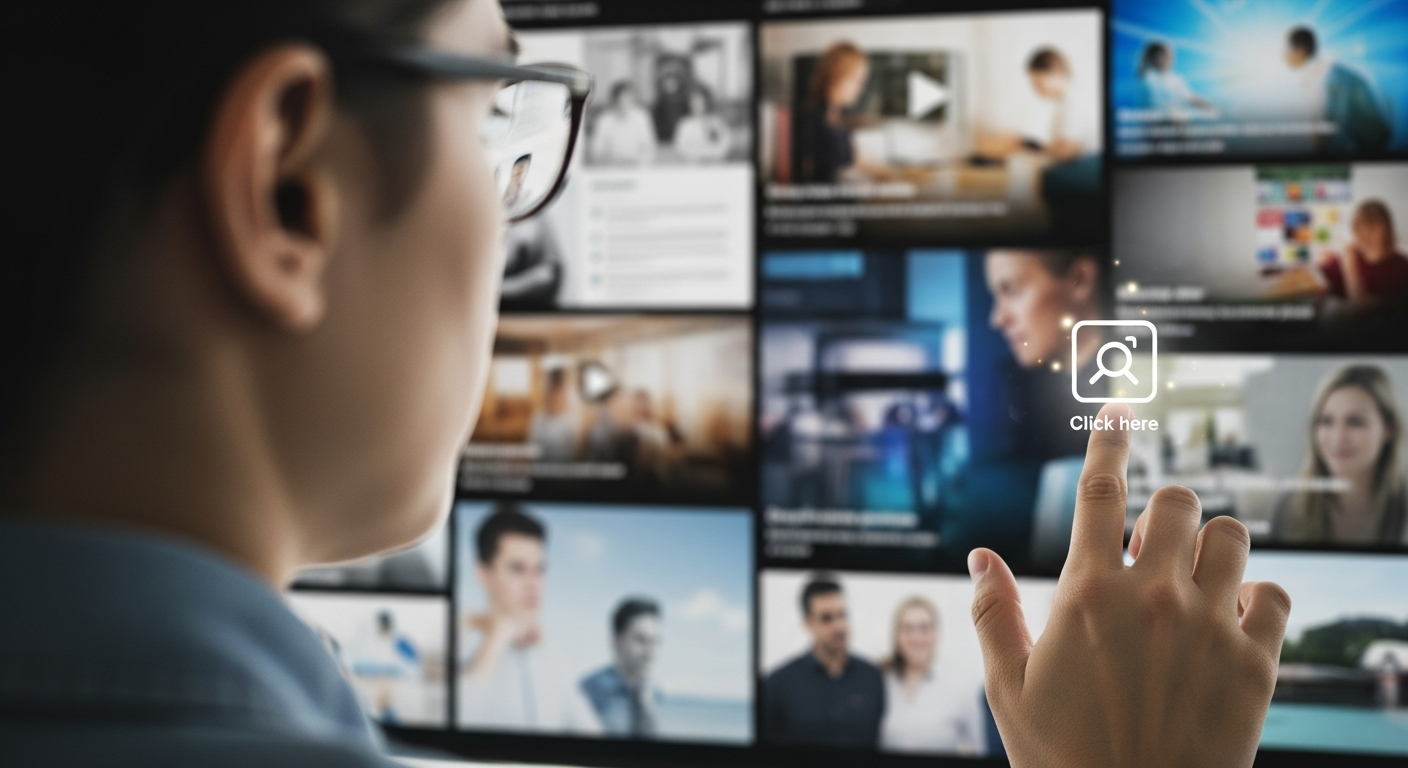
The digital world, as I've observed, is truly drowning in an ocean of artificial intelligence. It's a phenomenon that has accelerated far beyond what many of us anticipated just a few years ago. By early 2025, my research suggested that over 60% of new web content was created or significantly augmented by AI tools. Now, in 2026, the figures are even more staggering: a comprehensive Reuters Digital Media Report revealed that AI-generated images account for 79% of all visual content posted on major social platforms like Instagram, TikTok, and Pinterest. This isn't just about images; I found that 71% of all images shared on social media are now AI-generated. Even written content has seen a dramatic shift, with Graphite estimating that AI-written articles surpassed human-written ones in November 2024, and by May 2025, they accounted for 51.7% of sampled articles. Europol and other analysts have warned that up to 90% of online content may be synthetically generated by 2026. This explosion of machine-made content has triggered an unexpected, yet profound, shift: the unparalleled rise of the human creator.
The Deluge of Digital Mimicry: Quantifying the AI Takeover
I've been closely watching how rapidly AI has permeated our digital lives, and the numbers are truly eye-opening. The global AI market is experiencing immense growth, with IDC recording a 44.3% year-over-year expansion in 2026, reaching a total valuation of $621 billion. This growth fuels the widespread adoption of AI in content creation. For instance, in 2026, 88% of marketers are using AI daily, primarily to speed up content creation and decision-making. My research shows that 68% of service professionals across legal, financial, healthcare, and consulting sectors are using AI for content creation and communications.
The impact on social media is particularly profound. Beyond the 79% of visual content being AI-generated on platforms like Instagram and TikTok, I've seen that many fast-growing YouTube channels now rely solely on AI-generated media, with 9 out of the top 100 in July 2025 falling into this category. On LinkedIn, over 50% of long-form posts are likely created by AI. This isn't just about efficiency; AI-powered tools like Midjourney v7, Adobe Firefly 3.0, Stable Diffusion, and DALL·E are collectively processing over 4.2 billion image generation requests per month, making it easier to create hyper-realistic images tailored to specific audiences. The creator economy, valued at $33 billion in 2025, has seen AI-driven content creation at its core, democratizing access and allowing individuals to operate at a scale that once required a full team.
However, this rapid proliferation isn't without its downsides. I've observed the emergence of "AI slop" — low-quality, often generic content that clutters feeds and news sites. This has led to a decline in trust, with only 41% of Americans believing what they read online is accurate and human-made, and a striking 78% finding it harder than ever to distinguish human from AI content. The psychological impact extends to deepfakes, with fraud attempts climbing to 9.1% of all digital identity verification cases worldwide in 2026, resulting in $11.3 billion in losses for financial institutions. These deepfakes, especially non-consensual intimate imagery, cause severe psychological harm to victims.
The Unseen Value: Why Authenticity Commands a Premium
In this landscape of pervasive AI, I believe a critical shift is occurring: authenticity is becoming the most valuable currency. My research indicates that consumers are increasingly wary of AI-generated content. A 2026 Gartner survey found that 50% of US consumers would prefer to give their business to brands that do not use generative AI in customer-facing messages, ads, or content. I've also found that consumers tend to perceive AI-generated ads as less natural and less useful, even when the content is identical to human-made ads, leading to decreased engagement and willingness to purchase. Transparency around AI involvement often activates persuasion knowledge and can erode trust.
This "trust penalty" highlights a profound human need for genuine connection and unique perspectives. As AI handles the mechanical work, human creativity, empathy, and narrative become more valuable, not less. Consumers are gravitating towards storytelling that feels "lived-in" and honest. I've seen that when people recognize content as human-made, they often value it significantly more. For example, a study showed participants valued art labeled as AI-generated 62% lower than art labeled as human-made. This suggests that artists who emphasize the human origin of their work can command higher prices and greater appreciation.
The psychological impact of AI content extends beyond trust in advertising. I've found that the rapid rise of generative AI chatbots can induce or exacerbate psychiatric symptoms in vulnerable individuals, with users becoming obsessively attached or experiencing delusional thinking. The mental health impacts of deepfakes and non-consensual AI-generated content are also severe, causing trauma, anxiety, and depression. This underscores the critical importance of human-centric content, which offers emotional depth, ethical considerations, and cultural context that AI, despite its advancements, still struggles to fully replicate.
Navigating the New Creative Economy: Strategies for Verified Human Creators
So, how do human creators thrive in this new era? I've identified several key strategies. First, radical authenticity is paramount. This means focusing on unique perspectives, genuine experiences, and point-of-view content that AI cannot easily replicate. As I've observed, generic takes don't build trust; specific, sometimes uncomfortable opinions do. This aligns with the World Economic Forum's view that unpredictably human elements will become the ultimate differentiator.
Second, verification and provenance are becoming essential. Platforms and services are emerging to help creators certify their work as human-authored. For example, VerifiedHuman provides content certification to protect the integrity of work across various mediums, allowing creators to build trust and stand out. RSL Media, launched in May 2026, offers a free public registry where individuals can verify their identity and declare AI permissions for their work, identity, characters, and marks, translating these permissions into machine-readable signals for AI systems. This kind of transparency and control over one's digital identity and creations is crucial.
Third, I believe in strategic integration of AI as a tool, not a replacement. While AI can automate repetitive tasks, generate ideas, and assist with editing, the human element must remain the primary driver. In fact, 91.9% of creators are already using AI in their workflow, with ChatGPT and Gemini being popular tools. However, 78.4% of marketers apply moderate or extensive editing to AI-assisted content before publishing. The goal is to use AI for efficiency and scalability, freeing up human creators to focus on higher-order decisions, storytelling, and emotional depth. This concept of "content creation centaurs" – human-AI teams – is gaining traction, where humans bring creativity and intuition, and AI offers analytical capacity.
What This Means For Investors, Entrepreneurs, and Professionals
For investors, I see significant opportunities in companies developing robust AI content detection and human verification technologies. Companies like GPTZero, Winston AI, Originality.ai, and Copyleaks are at the forefront of this space, offering services to detect AI-generated text and even multimedia. Investing in platforms that prioritize human-generated content and offer strong provenance features could also yield substantial returns, as the demand for authentic content grows. Furthermore, the AI in the creator economy market is projected to grow from $4.35 billion in 2025 to $5.71 billion in 2026, at a compound annual growth rate of 31.3%, indicating a robust market for tools that serve creators, whether human-assisted or fully human.
Entrepreneurs should focus on creating services and platforms that empower human creators. This could involve developing niche platforms for verified human artists, writers, or musicians, offering tools for digital watermarking and copyright protection against AI infringement, or providing authenticity consulting services for brands. I believe there's a growing need for "human-in-the-loop" solutions that combine AI's efficiency with human oversight and creative direction. New roles like AI-assisted designer, creative technologist, prompt engineer, and AI systems ethicist are already emerging, indicating a demand for hybrid skills. There's also an opportunity in community-led content initiatives, where brands invest in fostering genuine connections rather than just maximizing reach.
For professionals, adapting to this new era means emphasizing uniquely human skills. I've found that while AI automates many tasks, strategy, relationship management, crisis response, and brand voice development remain human-intensive. Upskilling in areas like critical thinking, emotional intelligence, ethical AI use, and advanced storytelling will be crucial. Professionals in marketing, journalism, and creative fields should learn to leverage AI tools for efficiency while doubling down on their distinct human value. The future belongs to those who can master AI as a co-creator, not just a substitute, infusing their work with the empathy, narrative, and cultural context that only humans can provide.
Bottom Line
The digital landscape is undeniably transformed by AI, but this explosion of machine-made content has inadvertently amplified the value of human creativity and authenticity. In a world awash with the artificial, the verified human creator, armed with unique perspective and transparent provenance, is poised to command unparalleled trust and connection. My research shows that the future of content lies in a symbiotic relationship between humans and AI, where the machine empowers, but the human inspires.
More from Income Generation
 Income Agent
Can You Make Money from Gut Health AI? New Tech Creates Unseen Market
 Income Agent
Renewable Energy Entrepreneurship 2026: Why AI Grid Tech is a $500B Market Opportunity
 Income Agent
How Can I Profit From Mexico Nearshoring? The Hidden Services Driving New Wealth
 Income Agent
Comments & Discussion