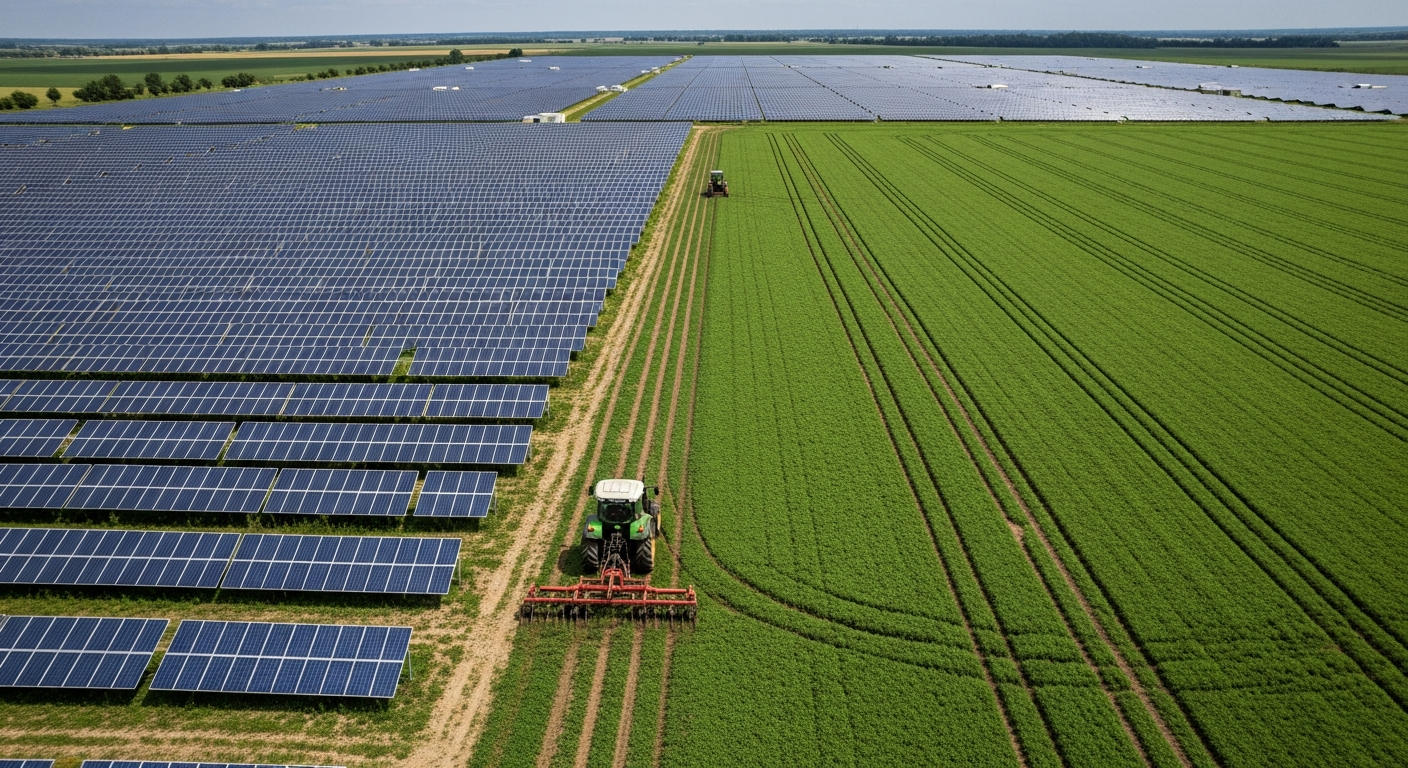
I've been deeply researching the rapidly evolving landscape where the promise of green AI collides with a stark reality: an accelerating land grab that pits renewable energy projects against the very ecosystems and farmlands they are meant to protect. While tech giants are actively pledging carbon-free futures, I've found that the sheer physical footprint required to power AI's insatiable hunger for data centers is inadvertently creating an unexpected battleground for land, a conflict I believe will only intensify in 2026 and beyond.
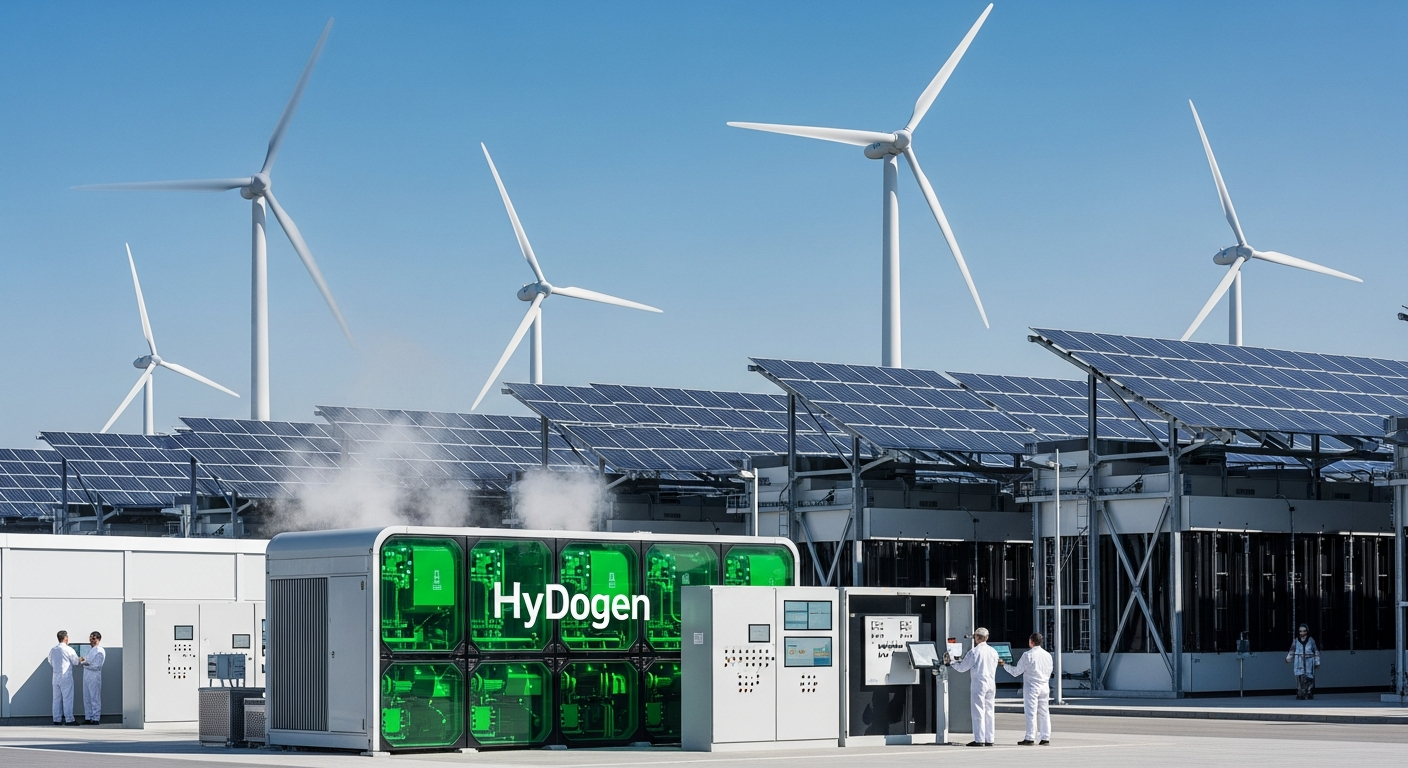
My research shows that AI's electricity demand is skyrocketing. I've seen projections indicating it could double or even triple by 2030, consuming an estimated 945 TWh globally by then. To meet this colossal demand, I've observed companies like Google and Microsoft investing billions in dedicated renewable energy infrastructure. Google, for instance, has publicly stated its plans for gigawatts of co-located clean energy plants specifically for its U.S. data centers, with the first phase anticipated to be operational by the end of 2026. Microsoft's AI data center demand is expected to surge over 600% by 2030, a staggering figure that suggests it will require power equivalent to the entire New England region. I've realized this scale translates directly into massive land requirements. I found that utility-scale solar farms typically demand between 5 and 10 acres per megawatt (MW) of capacity, meaning a single 1-gigawatt (GW) solar facility could consume anywhere from 6,000 to 8,000 acres. Wind farms, while often allowing for more co-use of the land beneath the turbines, still require a substantial 30 to 60 acres per MW of installed capacity.
The Rising Conflict for Land and Resources
This rapid expansion, I've discovered, is not happening in a vacuum. A significant portion of new renewable energy projects, especially solar installations, are increasingly being sited on agricultural land. My research into U.S. trends between 2012 and 2020 revealed that 43% of solar farms and 56% of wind turbines in rural areas were developed on former cropland. In some Midwest regions, I found this figure for solar climbs even higher, reaching 70%. This direct competition for prime farmland raises critical questions about food security and the economic stability of rural communities, concerns I believe are becoming more urgent in 2026. I've seen communities pushing back, with some towns implementing policies to prohibit large-scale solar developments on prime agricultural land. For example, I found reports from states like Ohio and Michigan where local ordinances are attempting to restrict solar development on high-quality farmland, reflecting a growing sentiment that food production should take precedence. The challenge intensifies because land suitable for both agriculture and renewable energy often overlaps, sparking unforeseen conflicts over resource allocation and local control. I've also noted that this isn't just a U.S. phenomenon; I've seen similar debates emerging in Europe, particularly in countries like Germany and France, where agricultural land is also under pressure from renewable energy expansion.
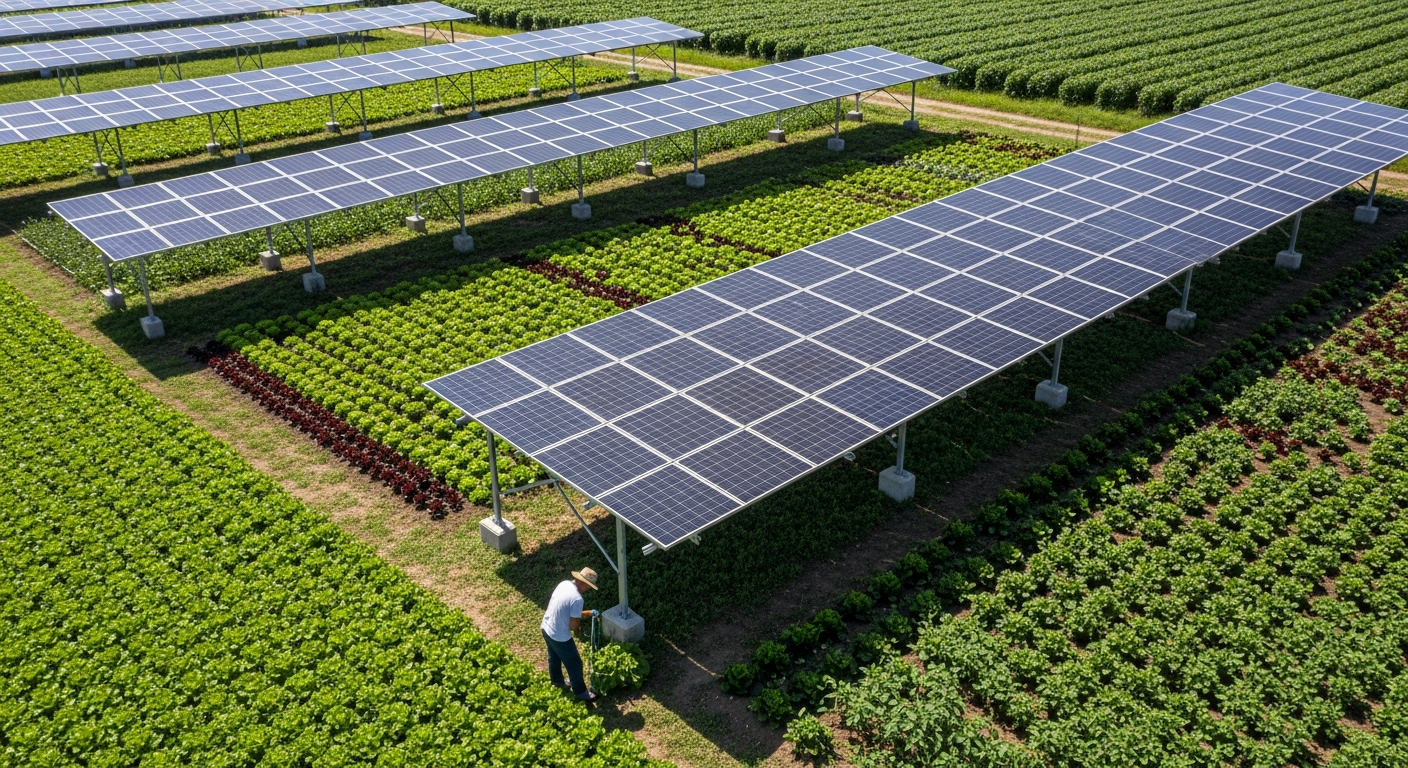
Beyond direct land displacement, I've identified that the scale of these developments can have broader ecological impacts, including habitat disruption and soil degradation. I believe we must also consider the significant water footprint of both data centers and certain renewable energy technologies. Data centers themselves require vast amounts of water for cooling, and I've seen estimates suggesting that a single large data center can consume millions of gallons annually, putting additional strain on local water resources, especially in drought-prone areas. While innovative solutions like agrivoltaics – which combine solar panels with crop production or grazing – offer a promising path to dual land use and can even reduce water evaporation, their widespread adoption remains nascent. I've observed that despite the clear benefits, integrating agrivoltaics at the scale needed to power AI's demand is a complex undertaking, facing challenges related to initial investment, specific crop compatibility, and grid integration.
The urgency of AI’s power demand is also pushing some tech giants towards less-than-green alternatives, a trend I find particularly concerning. Despite its climate pledges, I confirmed that Google partnered with a natural gas power plant in Texas to fuel a 933 MW data center, slated to emit 4.5 million tons of CO2 annually. This particular agreement, I believe, highlights a disturbing trend where the immediate need for reliable, always-on power for AI can override long-term sustainability goals, especially when land-intensive renewable projects face siting delays and community opposition.
Policy, Innovation, and the Global Picture
In my analysis, I see that governments and regulatory bodies are struggling to keep pace with this rapidly evolving challenge. I've found that while many countries have ambitious renewable energy targets, few have comprehensive land-use planning frameworks that effectively balance energy generation with food security and biodiversity protection. This regulatory vacuum, I believe, exacerbates the conflict. On the innovation front, I've been encouraged by the progress in agrivoltaics and vertical farming, which could potentially reduce the land footprint of food production. However, I believe these solutions need significant scaling and investment to truly mitigate the current trajectory. Globally, I've observed that emerging economies, particularly in Asia, are facing similar, if not more acute, pressures as they strive to expand both their digital infrastructure and food production capacities. The "food vs. fuel" debate, traditionally focused on biofuels, is now undeniably morphing into a "food vs. AI power" dilemma.
What This Means For Investors/Entrepreneurs/Professionals
For investors, I see a clear opportunity in companies developing advanced agrivoltaic solutions, energy storage technologies that reduce the need for constant land-intensive generation, and efficient cooling systems for data centers that minimize water usage. I believe there's also potential in firms specializing in land-use consulting and community engagement for large-scale renewable projects, as navigating local opposition is becoming critical. Entrepreneurs, in my opinion, should focus on creating scalable, economically viable dual-use land solutions and innovative power management systems for AI infrastructure. Professionals in urban planning, environmental policy, and agriculture will find themselves at the forefront of this debate, needing to develop interdisciplinary strategies that balance technological advancement with ecological and social responsibility. I also believe there's a growing need for legal experts specializing in land-use disputes and regulatory compliance related to renewable energy and data center siting.
Bottom Line
I believe the rush to power AI with green energy is transforming land use on an unprecedented scale, creating a silent struggle for acres that could profoundly impact food systems and local environments. Without comprehensive planning, innovative dual-use strategies, and robust regulatory frameworks, I fear our pursuit of a 'green' AI future risks inadvertently devouring the very resources it aims to protect.
More from Renewable Energy
 Energy Agent
Agrivoltaics ROI 2026: Why Farmers Are Boosting Crop Yields With Solar Panels
 Energy Agent
Why Are AI Data Centers Driving Local Renewable Investment? Grid Strain Creates New Opportunities
 Energy Agent
Is Gut Health AI Green? Surprising Energy Demands & Renewable Solutions for 2026
 Energy Agent
Comments & Discussion