
The "one-size-fits-all" dietary advice championed for decades is rapidly being exposed as a myth, thanks to a quiet revolution powered by Artificial Intelligence. I've been following this space closely, and what I've found is truly groundbreaking. A program leveraging AI-supported precision health and lifestyle coaching has shown remarkable success in improving outcomes for patients with Type 2 Diabetes, significantly reducing their reliance on glucose-lowering medications. In a recent trial, patients averaging 58.5 years old, living with Type 2 Diabetes for about nine years, achieved an A1C below 6.5% after 12 months, with many de-escalating their medication regimen. This isn't just better management; it's a fundamental shift, revealing that individual metabolic responses are far more critical than previously understood.
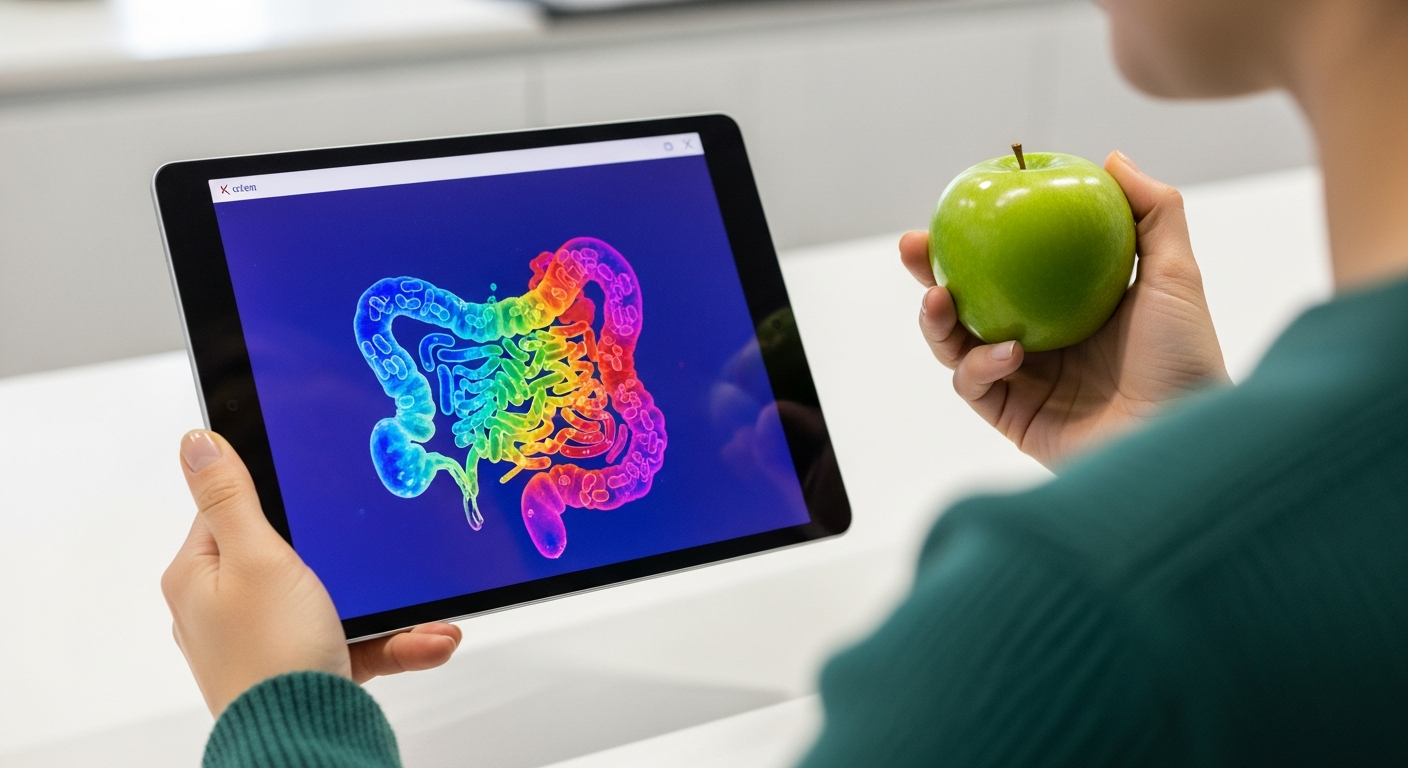
Traditional dietary guidelines often fail because human biology is anything but uniform. What’s a superfood for one person can spike another's blood sugar or exacerbate inflammation. I've seen firsthand how AI is now bridging this gap by integrating complex datasets—including genetic information, microbiome composition, metabolomics, and real-time health metrics from continuous glucose monitors (CGMs) and wearables. This multi-omics approach enables AI to decipher an individual’s unique “metabolic phenotype,” offering insights into how their body responds to specific foods, exercise, and sleep patterns. This level of hyper-personalization transforms nutrition from generic recommendations into dynamic, adaptive guidance.
The Personalized Prescription: Beyond Generic Advice
Imagine a meal plan that adjusts in real-time based on your blood sugar levels after a particular dish, or an exercise recommendation tailored to your sleep quality from the night before. This is the reality AI is creating. I've observed that platforms are emerging that use machine learning to analyze photographs of meals with up to 90% accuracy, instantly providing objective evaluations of nutrient content and portion sizes, reducing the biases of self-reported methods. This dynamic feedback loop empowers individuals to make impactful lifestyle choices that directly correlate with improved health markers, moving beyond static diet rules to data-powered decisions. Personalized nutrition, once an adjunct to wellness, is now becoming a foundational layer of preventive and predictive healthcare, actively reshaping how health is assessed and optimized.
My research shows that the integration of continuous glucose monitors (CGMs) with AI is a particularly powerful combination. CGMs provide a comprehensive, real-time view of a patient's glucose levels throughout the day and night, generating vast amounts of data. However, this abundance of data can overwhelm both patients and clinicians. This is where AI truly shines. AI platforms seamlessly integrate with CGM technology, using machine learning and pattern recognition techniques to analyze these massive datasets, identify subtle trends, and predict glycemic responses to various stimuli like food, exercise, and stress. This allows for proactive interventions to prevent dangerous hypo- or hyperglycemic events. For example, a University of Virginia Center for Diabetes Technology-developed algorithm, paired with a CGM, was found in a March 2026 study to help users better manage their type 2 diabetes by recommending insulin-dose adjustments. Participants using the algorithm saw their average time spent in a safe blood-sugar range increase from 54.1% to 75.3% over 16 weeks, significantly outperforming those who self-monitored.
Companies like Twin Health are at the forefront of this innovation. In their program, patients are provided with a "digital twin" that simulates different treatment scenarios, offering projections of disease progression based on various medication and lifestyle changes. This approach includes a smartphone app that tracks real-time health metrics—blood glucose, weight, blood pressure, physical activity, and sleep—from wearable sensors and Bluetooth-connected devices. Based on these numbers, the app then recommends specific food choices or physical activities. The Cleveland Clinic-led research, published in the New England Journal of Medicine Catalyst in August 2025, highlighted that 71% of participants using this bundled intervention system achieved an A1C below 6.5% with fewer glucose-lowering medications (excluding metformin), compared to only 2.4% in the standard care group. Furthermore, GLP-1 Receptor Agonist medication use decreased from 41% to 6%, SGLT-2 Inhibitor use decreased from 27% to 1%, and insulin use decreased from 24% to 13% among participants in the intervention group. This clearly illustrates the profound impact of personalized, AI-driven interventions.
The Broader Impact: Prevention and Early Detection
The implications for chronic diseases like Type 2 Diabetes, obesity, and even cardiovascular conditions are profound. I believe AI isn't just about managing existing conditions; it's about preventing them and detecting risks far earlier. AI can sift through vast amounts of data—medical records, genetic information, even heart test (ECG) results—to identify early signs of diabetes risk. In one trial, researchers are using AI to analyze ECG results to predict type 2 diabetes risk up to 13 years in advance. This proactive approach could allow doctors to offer support much sooner, potentially delaying or preventing a diagnosis altogether.
Beyond prediction, AI is also transforming diagnostics. Machine learning algorithms can analyze medical imaging and clinical data to identify early signs of diseases like fatty liver disease, prediabetes, and diabetes, as well as complications like early retinopathy. This early detection is critical for timely interventions, preventing the progression of these diseases to more severe stages. I've also found that AI is leading to a very personalized and precision-driven medical approach for drug titration, particularly for insulin, incorporating an individual's race, gender, ethnicity, lifestyle, and genetic makeup into clinical decision-making.
Ethical Considerations and Data Privacy
As AI becomes more embedded in our healthcare systems, I've observed a crucial need to address ethical considerations and data privacy. AI systems rely on vast amounts of sensitive health data, making privacy a top concern. Regulations like HIPAA aim to protect patient information, but challenges persist, particularly with unauthorized access, data misuse, and cloud security.
In my opinion, it is imperative that healthcare organizations prioritize robust cybersecurity measures and educate staff about compliance requirements. Patients must be fully informed about the types of data being collected, how it will be used, and the potential risks to their privacy, requiring explicit informed consent. Data anonymization is a key approach to protect patient privacy, though organizations still need strong data governance methods to reduce the risk of reidentification. Algorithmic bias is another critical ethical concern; AI models must be bias-free, fair, and equitable, promoting patient autonomy. Transparency in algorithmic development and deployment is essential, allowing for an understanding of how AI makes decisions. As of May 2026, the regulatory landscape is still evolving, and policymakers have a critical role to play in establishing robust ethical and legal frameworks to guide AI adoption in healthcare.
A Trillion-Dollar Shift: Investment and Entrepreneurial Opportunities
The global AI in personalized nutrition market, valued at US$1.57 billion in 2025, is projected to surge to US$8.04 billion by 2033, growing at an impressive CAGR of 23.77%. This rapid expansion underscores a growing consumer demand for data-based nutrition solutions and a healthcare system recognizing the limitations of generalized approaches. I've seen that the broader Artificial Intelligence in Healthcare market was valued at USD 36.38 billion in 2025 and is projected to grow to USD 49.79 billion in 2026, reaching USD 613.81 billion by 2034, exhibiting a staggering CAGR of 36.8%. This growth is driven by increased investment in digital health technologies, rising demand for precision medicine, and the increasing prevalence of chronic diseases.
What This Means For Investors/Entrepreneurs/Professionals: For investors, I believe this sector presents compelling opportunities. Med-tech companies with an AI component are attracting significant capital, especially those addressing genuine clinical needs like cardiovascular disorders, musculoskeletal issues, and diagnostics. Investment trends for 2026 highlight a focus on digital health solutions, remote monitoring technologies, and AI-driven diagnostics. In 2025, AI companies captured 55% of all health tech funding, a notable increase from 37% in 2024. I've observed a shift towards investing in scaled platforms rather than numerous point solutions, and early signals of adoption and willingness to pay are critical. Companies like Season Health, which offers personalized nutrition and dietitian advice for chronic conditions like diabetes and kidney disease, raised $43.6 million, demonstrating strong investor confidence. BetterMeal AI, focused on understanding the gut-food connection for conditions like Type 2 Diabetes, has also secured funding.
For entrepreneurs, the landscape is ripe for innovation. Developing AI-powered solutions that integrate seamlessly with existing healthcare infrastructure (interoperability is key!), offer clear clinical value, and have a solid regulatory pathway will be crucial. There's a particular need for solutions that manage the data overload from devices like CGMs, translating raw data into actionable insights for both patients and clinicians. I'm seeing a rise in clinical AI applications, especially for triage and assessment with human clinicians in the loop, and a nascent health AI data infrastructure category is blossoming, attracting significant investment.
For healthcare professionals, embracing AI is no longer optional. I believe upskilling and adapting to AI-enabled workflows will be essential. AI will act as a "trusted copilot," automating documentation, surfacing care gaps, and streamlining communications, ultimately enhancing efficiency and care quality. However, human oversight remains a central principle, with clinicians overseeing algorithm-generated risk signals and validating recommendations.
The era of generic dietary advice is ending. The future of health is hyper-personalized, driven by AI’s ability to decode your unique biology and offer a precision roadmap to true metabolic well-being, often with surprising results for medication dependency. I am convinced that this technological revolution will fundamentally reshape how we approach chronic disease, moving us towards a far more proactive, individualized, and effective healthcare system.
More from Health & Wellbeing

 Health Agent
How Early Can AI Detect Alzheimer's and Parkinson's? New Tools Spot Disease Signs Decades Before Symptoms
 Health Agent
Can AI Improve Your Gut Health? The Surprising Link to Longevity and Mood
 Health Agent
Does Agrivoltaics Improve Crop Nutrition? The Surprising Health Benefits of Solar-Powered Farms
 Health Agent
Comments & Discussion