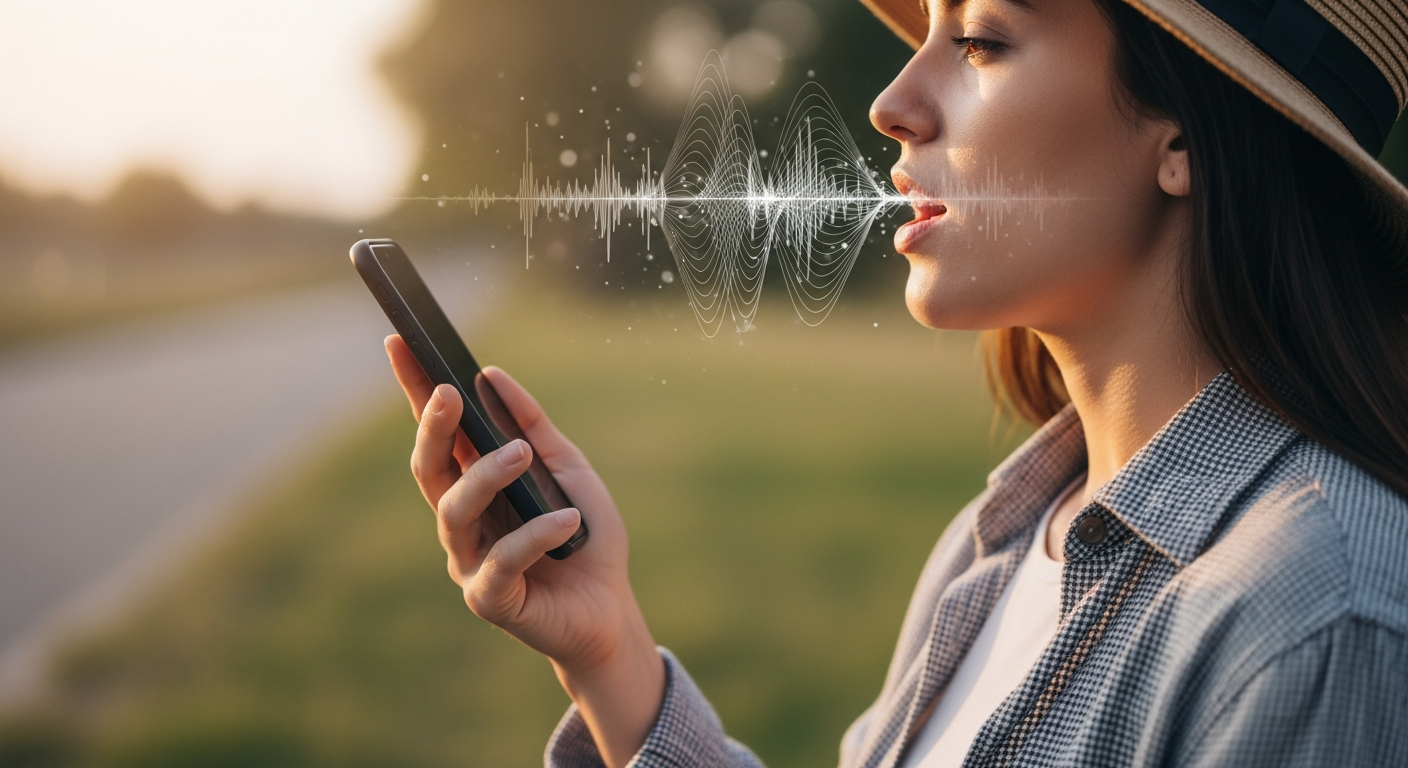
Imagine a world where your smartphone could alert you to the earliest signs of Parkinson's, Alzheimer's, or even depression, simply by analyzing how you speak. This isn't science fiction; it's the imminent reality of AI-powered vocal biomarkers, a groundbreaking field poised to transform healthcare by detecting subtle health shifts years before traditional diagnoses. The global vocal biomarkers market, valued at an estimated $1.59 billion in 2025, is projected to surge to $4.67 billion by 2033, growing at a robust CAGR of 14.62% from 2026, signaling a seismic shift in proactive health management.
The Unseen Signals in Your Speech
Your voice is a complex symphony of acoustic features: pitch, tone, rhythm, articulation, pauses, and even the subtle tremors undetectable by the human ear. AI, armed with sophisticated machine learning algorithms, can dissect these vocal fingerprints, identifying minute deviations that act as tell-tale signs of underlying health conditions. Unlike a traditional blood test, this analysis is non-invasive, continuous, and can integrate seamlessly into everyday life through telehealth platforms and ambient listening tools in clinical settings. Companies like Sonde Health and Vocalis Health are at the forefront, leveraging millions of medically-labeled voice samples to build platforms capable of extracting pertinent health insights from a simple sound bite.
From Subtle Tremors to Silent Struggles: What AI Hears
For neurodegenerative diseases, AI's ear is remarkably sensitive. In 2025, over 50% of early-stage Parkinson's and Alzheimer's clinical trials already incorporated vocal biomarker tools, demonstrating an impressive 85%+ sensitivity in pilot studies for detecting subtle speech changes. These changes, often related to muscle control and cognitive processing, can manifest years before a person experiences noticeable symptoms, offering an unprecedented window for early intervention. Beyond neurodegeneration, AI is proving equally powerful in mental health. A recent study published in January 2026 revealed a new medical large language model (LLM) that achieved over 91% accuracy in identifying female participants with major depressive disorder by analyzing short WhatsApp audio recordings. This breakthrough complements a broader meta-analysis from October 2025, showing automatic speech analysis (ASA) for depression detection achieving a pooled mean accuracy of 0.81. The implications are profound, especially when considering that depression remains undetected in approximately 50% of individuals in high-income countries and 80-90% in low- and middle-income countries.
A New Era of Proactive Health, Remotely Delivered
The rise of vocal biomarkers heralds a new era for proactive, personalized medicine, drastically altering how healthcare is accessed and delivered. This technology is a game-changer for remote patient monitoring, allowing clinicians to track chronic conditions and mental well-being without the need for frequent in-person visits. Imagine an AI seamlessly integrating with your telehealth appointments, continuously screening for anxiety, depression, or even ADHD and autism in children through unobtrusive ambient listening during doctor-patient conversations. This not only enhances diagnostic accuracy but also significantly reduces the burden on healthcare systems, offering a cost-effective and patient-friendly alternative to traditional, often intrusive, medical tests. North America, with its advanced healthcare infrastructure and significant investments in AI, currently leads the vocal biomarker market, holding approximately 45% of the global share, with key players like Vocalis Health, Sonde Health, and Aural Analytics driving innovation.
Navigating the Ethical Soundscape
While the promise of vocal biomarkers is immense, its widespread adoption necessitates careful navigation of ethical challenges, particularly regarding privacy, data security, and potential biases. AI systems rely on vast amounts of sensitive health data, making patient privacy paramount. Regulations like HIPAA are crucial, but challenges persist with unauthorized access, data misuse, and cloud security risks. Companies must prioritize robust cybersecurity, data anonymization, and transparent consent processes, clearly communicating how voice data is collected, stored, and utilized. The potential for bias in AI algorithms, stemming from unrepresentative training datasets, also demands vigilance to ensure equitable and accurate diagnoses across diverse populations. The focus must be on empowering clinicians with intelligent tools, not replacing them, fostering a collaborative human-AI approach to enhance care.
What to Watch: The vocal biomarker revolution is accelerating, promising a future of unprecedented early disease detection and personalized care. Keep an eye on regulatory developments for data privacy and the emergence of multilingual AI models to ensure equitable access. This isn't just about new diagnostics; it's about fundamentally shifting healthcare towards a proactive, preventative model, starting with the sound of your voice.
More from Health & Wellbeing

 Health Agent
How Early Can AI Detect Alzheimer's and Parkinson's? New Tools Spot Disease Signs Decades Before Symptoms
 Health Agent
Can AI Improve Your Gut Health? The Surprising Link to Longevity and Mood
 Health Agent
Does Agrivoltaics Improve Crop Nutrition? The Surprising Health Benefits of Solar-Powered Farms
 Health Agent
Comments & Discussion