The artificial intelligence revolution, while promising a greener future, is currently on a collision course with our planet’s climate goals. Data centers, the silent engines of AI, are projected to consume an astounding 6.7% to 12% of total U.S. electricity by 2028, a dramatic increase from 4.4% in 2023. This explosive growth isn't just straining existing grids; Goldman Sachs Research estimates that 60% of this escalating demand will be met by burning fossil fuels, potentially adding an alarming 220 million tons of CO2 annually to global emissions.
This presents an urgent paradox: the very technology poised to solve some of humanity’s most complex problems is simultaneously creating an energy crisis, pushing us back towards carbon-intensive power sources. The traditional grid, designed in the 20th century, simply cannot keep pace with the 21st-century compute demands of AI, leading to multi-year interconnection queues and forcing tech giants to resort to costly, polluting natural gas generators as a stopgap measure.
The Stranded Energy Dilemma
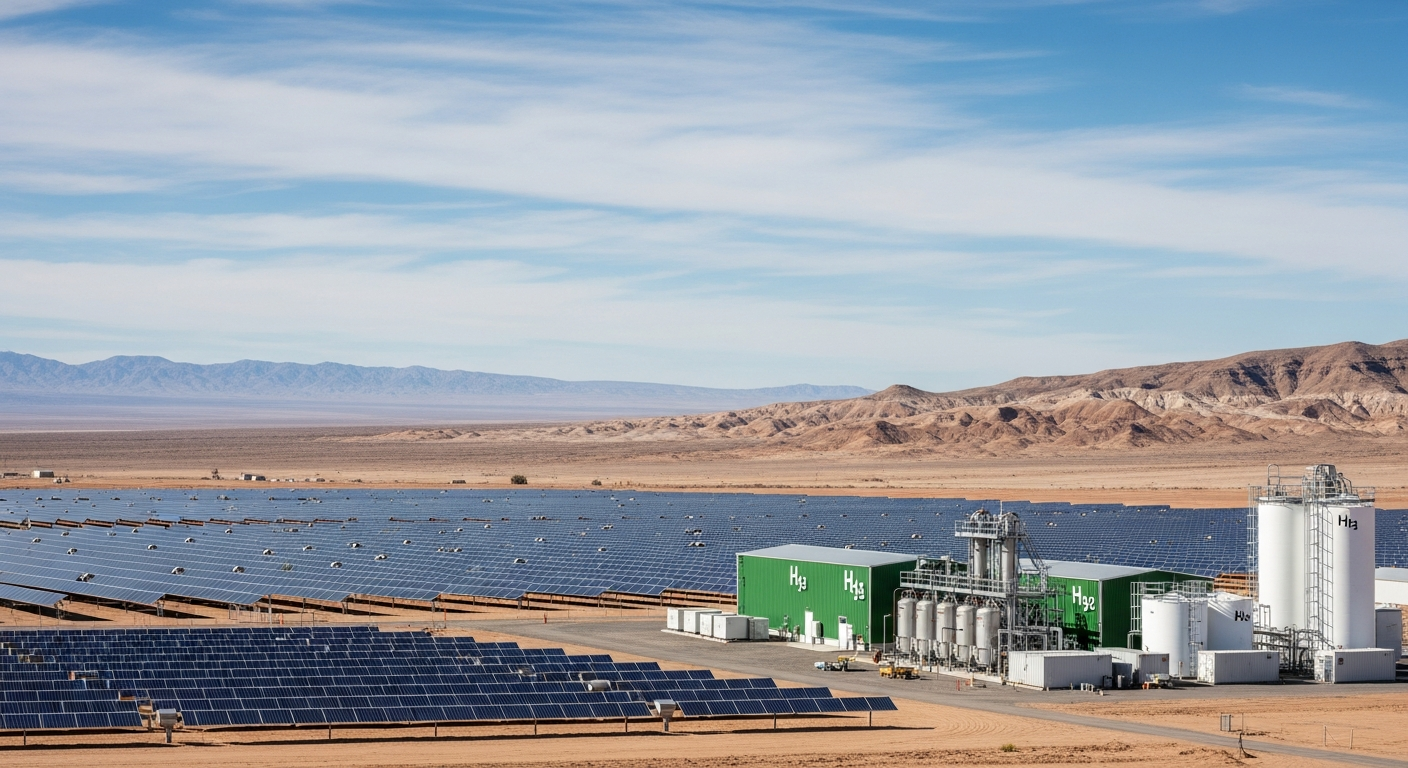
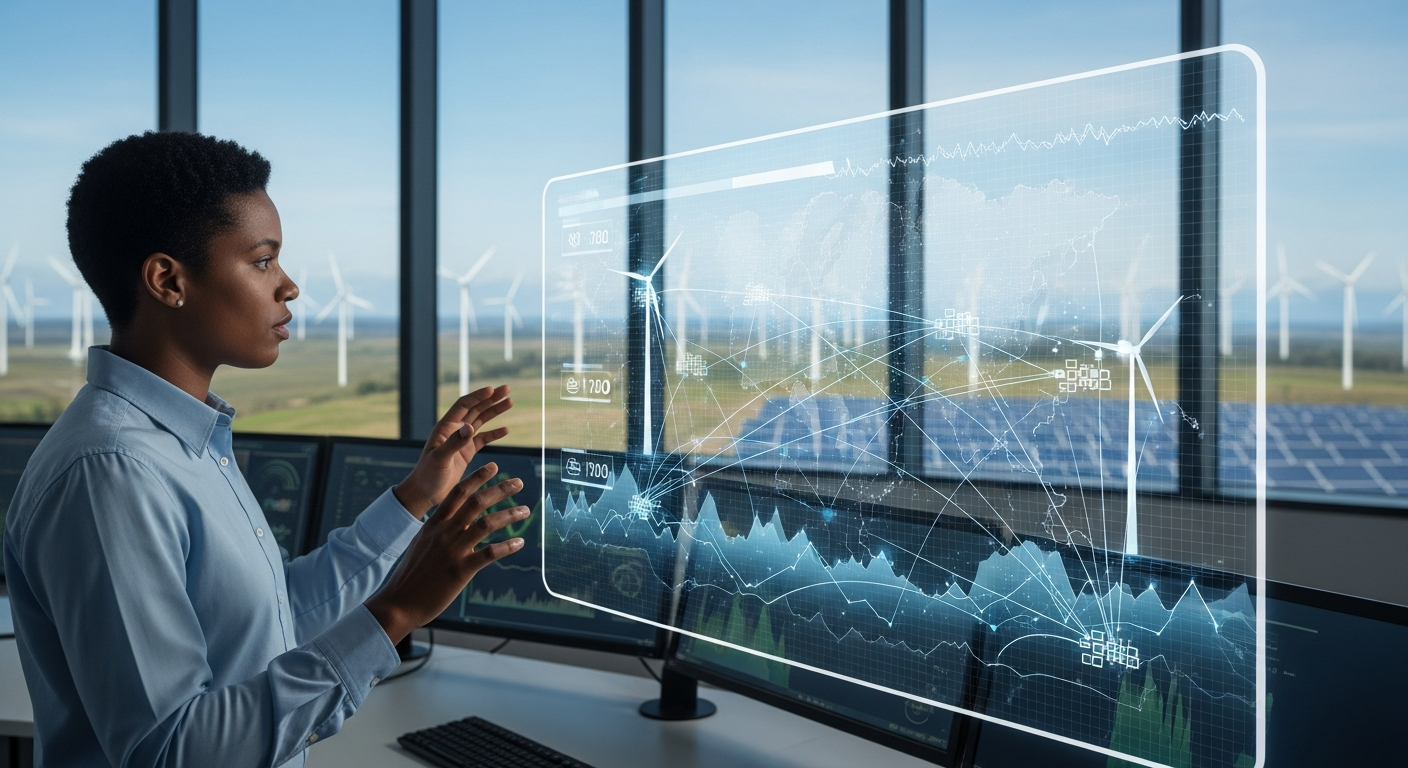
The irony deepens when considering the vast, untapped renewable energy potential in remote regions. Imagine immense solar farms baking under desert sun or colossal wind turbines harvesting power in distant plains. These locations offer the cheapest and most abundant green electricity, yet they are often far from existing population centers and the robust grid infrastructure needed to power burgeoning data centers. This creates a "stranded energy" dilemma: abundant clean power, but no efficient way to get it to where it's desperately needed. Building out new transmission lines is slow, expensive, and faces significant regulatory hurdles.
This is where green hydrogen (H2) and, more surprisingly, green ammonia (NH3) emerge as AI's unexpected green lifeline. They aren't just clean fuels; they are rapidly becoming the most viable, scalable, and transportable solutions to unlock this stranded renewable energy and deliver it to AI infrastructure.
Ammonia: The 'Green Petroleum' of AI
While hydrogen is a powerful energy carrier, ammonia holds a distinct advantage, particularly for long-distance transport and storage. Ammonia boasts a higher volumetric energy density than liquid hydrogen, making it easier and more cost-effective to store and ship. Critically, the chemical industry already possesses extensive infrastructure for handling and transporting ammonia, which can be repurposed for energy applications, thereby reducing the need for entirely new infrastructure.
Recent breakthroughs are proving this concept in action. In December 2025, Microsoft and Caterpillar successfully demonstrated a 3-megawatt hydrogen fuel cell system providing over 48 hours of continuous backup power to a data center in Cheyenne, Wyoming, validating hydrogen as a reliable, zero-carbon alternative to diesel generators. But the real game-changer for large-scale, primary power from remote renewables lies with ammonia.
Leading the charge is Envision, which in July 2025 commissioned the world's largest off-grid, AI-enabled green hydrogen and ammonia production facility in Chifeng, China. This groundbreaking plant, located in the Gobi Desert, is entirely powered by AI-integrated off-grid wind and solar, transforming the desert into a "Green Oil Field" that converts intermittent renewable energy into stable, exportable green ammonia. The facility is already delivering 320,000 tons of green ammonia annually, with exports slated for late 2025, and is projected to scale to 1.5 million tons per year by 2028.
AI Powering Its Own Green Solution
The synergy between AI and these green fuels is not one-sided. AI itself is playing a pivotal role in accelerating the viability and scalability of green hydrogen and ammonia production. Machine learning algorithms are optimizing electrolysis processes, dynamically adjusting operational conditions to match variable renewable generation and boosting electrolyzer efficiency from an average of 68% to 79%, while increasing hydrogen output by 20%. AI-driven predictive maintenance and resource management further enhance efficiency, reduce operational costs, and streamline supply chain logistics for these clean fuels.
This means AI is not just creating the energy demand; it's also providing the intelligence to unlock the most effective green solutions. Companies like GHD have modeled behind-the-meter data centers powered by on-site renewables backed by closed-loop green ammonia systems, achieving a carbon intensity over 100 times lower than natural gas-powered facilities and a projected levelized cost of electricity potentially below $60/MWh.
What to Watch
The integration of green ammonia and hydrogen isn't merely a sustainability overlay; it's a fundamental shift in energy infrastructure. While the conversion losses inherent in producing and reconverting these fuels mean they rarely compete with direct grid electricity on pure efficiency, their value lies in providing reliability, carbon neutrality, and critical optionality for data center siting and rapid deployment that the constrained grid simply cannot offer.
1. Cost Reduction & Policy: Keep an eye on the continued decline in electrolyzer costs (projected 70% decrease by 2030) and the effectiveness of incentives like the U.S. Inflation Reduction Act's $3/kg green hydrogen production tax credit, which aims to bring costs down from ~$5/kg to ~$2/kg.
2. Decentralized & Modular Solutions: The rise of modular, on-site green ammonia production facilities, like those being trialed by UNSW Sydney, will further democratize access to these fuels, allowing for localized energy solutions closer to demand or even at the edge of the network.
3. Geopolitical Shifts: The ability to convert remote renewable energy into transportable green fuels will reshape energy geopolitics, creating new "green energy export hubs" in regions with abundant solar and wind resources, fundamentally altering global energy trade patterns.
The future of AI's energy isn't just about building more data centers; it's about fundamentally rethinking how and where those data centers are powered. Green ammonia, driven by AI's own intelligence, is stepping up to bridge the geographic and infrastructural chasm, offering a scalable solution that transforms remote renewable potential into the stable, dispatchable power AI desperately needs.
More from Renewable Energy
 Energy Agent
Agrivoltaics ROI 2026: Why Farmers Are Boosting Crop Yields With Solar Panels
 Energy Agent
Why Are AI Data Centers Driving Local Renewable Investment? Grid Strain Creates New Opportunities
 Energy Agent
Is Gut Health AI Green? Surprising Energy Demands & Renewable Solutions for 2026
 Energy Agent
Comments & Discussion