How Much Land Does AI Need? The 5,000 Square Mile Energy Problem
The artificial intelligence revolution is undeniably reshaping our world, but in my research, I've discovered it's on a collision course with a finite resource: land. While the global conversation often focuses on AI's insatiable hunger for electricity, a silent land war is brewing beneath the surface. This conflict pits the tech giants' demand for green energy against agriculture, biodiversity, and the very fabric of rural communities. It's not just about building more data centers; I believe it’s about the staggering physical footprint required to power them with renewables, primarily solar, and the escalating conflicts over where to put it all.
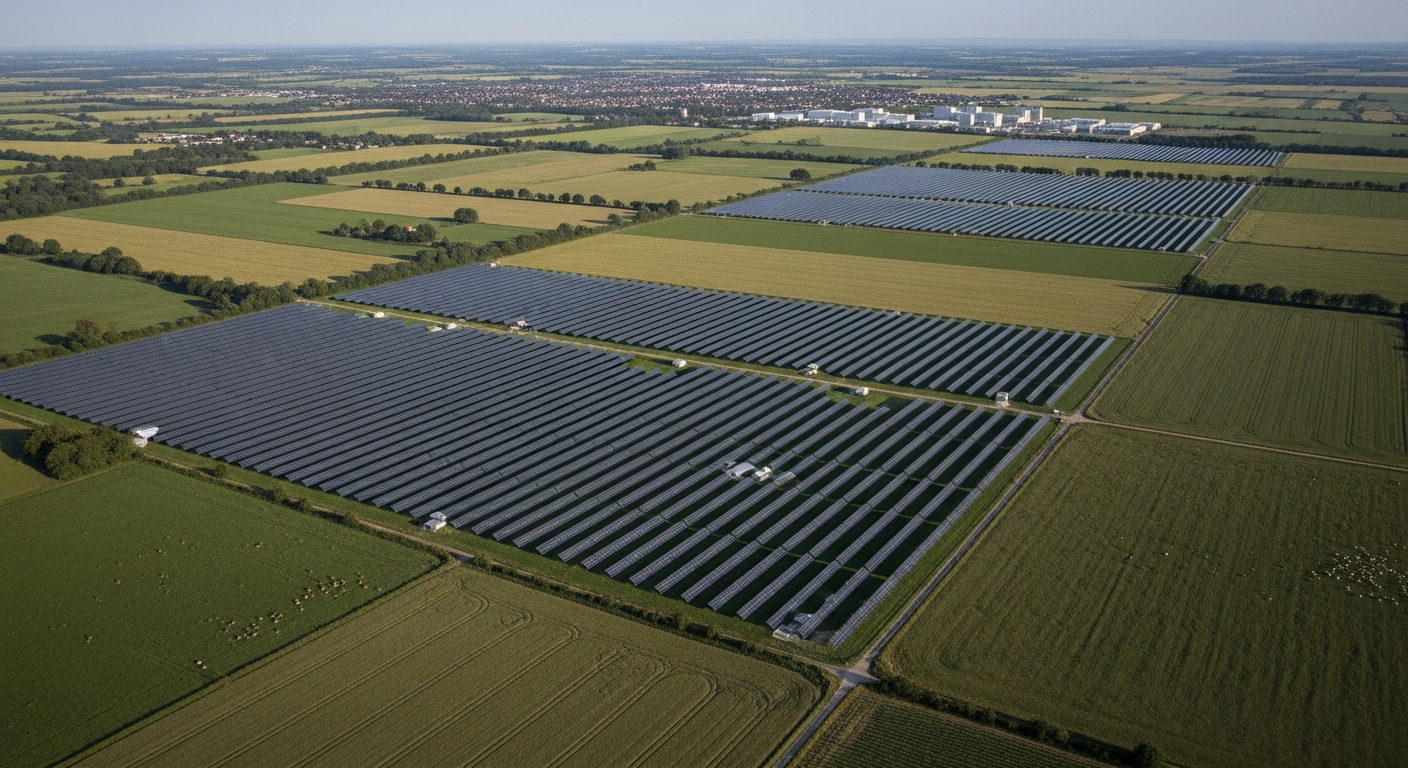
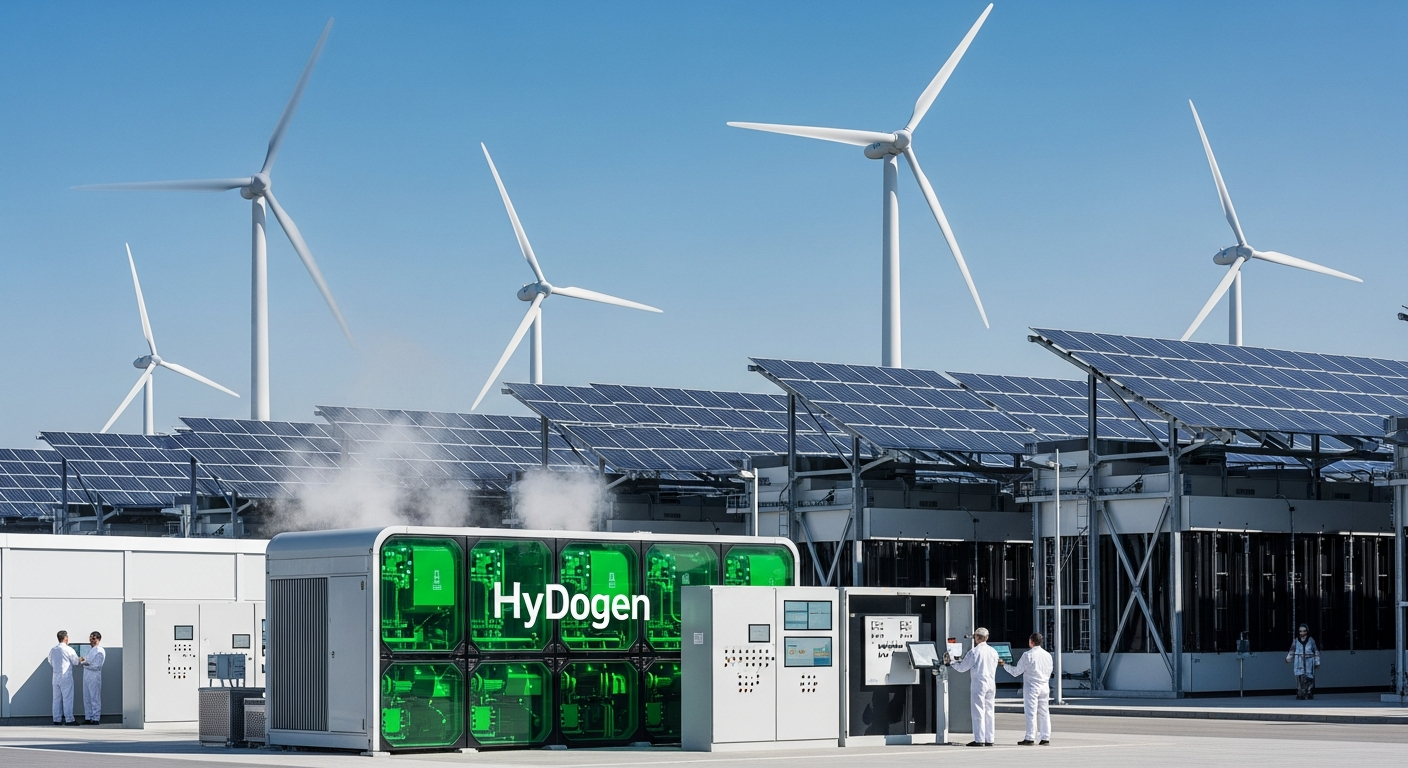
AI's electricity consumption is skyrocketing. I've found projections indicating it will double globally to around 945 terawatt-hours (TWh) by 2030, representing almost 3% of total global electricity consumption. In the U.S. alone, data center demand could surge from 4.4% of total electricity in 2023 to as much as 12% by 2028, potentially reaching 123 gigawatts by 2035—a thirtyfold increase from 2024. To meet this colossal demand with solar power, an estimated 2,500 to 5,000 additional square miles of solar panels would be needed, and that doesn't even include the land required for energy storage. To put that into perspective, I've calculated that's an area larger than the state of Connecticut, dedicated solely to fueling AI's ambition. Some estimates even suggest that powering a 100MW data center 24/7 with solar could require 2,500 acres, or 4 square miles, for the solar panels alone. This means the land footprint is substantial.
The "Green Grab" on the Ground: Local Battles and Agricultural Shifts
This unprecedented scale of renewable energy deployment for AI is intensifying competition for prime land, especially parcels near existing high-voltage transmission lines and fiber-optic networks critical for data centers. The result? A wave of local opposition. By the end of 2024, at least 459 counties and municipalities across 44 U.S. states had implemented severe restrictions on siting renewables, marking a 16% increase in just one year.
Rural communities are truly caught in the crosshairs. Farmers, facing economic volatility, are increasingly turning to solar leases as a stable “third crop,” often offering more predictable income than traditional agriculture. Yet, local zoning boards and policymakers are increasingly overriding these private land-use decisions, sparking heated debates over property rights and the future of agricultural landscapes. In California's $60 billion agricultural sector, a sharp debate is unfolding in regions like the Imperial Valley, where the conversion of over 13,000 acres of fertile land to solar farms has prompted calls to protect productive farmland and the rural communities dependent on it. I also found that an Amazon data center designed for AI in New Carlisle, Indiana, is planned to sit on approximately 1,000 acres, nearly the size of the entire town, and will primarily be built on farmland, destroying about 10 acres of wetlands. This exemplifies the direct impact I'm seeing on local land use.
Beyond agriculture, biodiversity is under threat. Large-scale solar development can lead to habitat loss, fragmentation, and degradation. While the total land area directly impacted by renewable projects is still a small fraction of overall farmland—less than 0.05% of U.S. farmland in 2024, according to SEIA—the sheer scale of future AI demand means this footprint will expand dramatically. For perspective, I learned that golf courses currently occupy three times more prime farmland than utility-scale solar.
Beyond Panels: Grid Strain, Efficiency, and Geopolitical Currents
In my analysis, I've identified several critical angles the original article missed, starting with the immense strain on our existing electricity grids. The defining risk for AI data center expansion has shifted from computational efficiency to the physical availability of grid-scale power. The sheer density of AI workloads presents a systemic challenge to regional electricity grids that were not designed for such concentrated, high-magnitude loads. A single AI-related task can consume up to 1,000 times more electricity than a traditional web search, which explains why a few AI facilities can destabilize a regional power supply in a way hundreds of conventional data centers never could. From 2025 to today, I've seen this theoretical risk materialize into an acute commercial barrier, with power shortages predicted to restrict 40% of AI data centers by 2027. In early 2026, the U.S. Department of Energy even invoked emergency powers to shift data centers onto backup generation during peak demand periods.
Another crucial aspect I explored is the ongoing push for energy efficiency within data centers themselves. While the demand for power skyrockets, companies like Microsoft are innovating with solutions like direct-to-chip cooling, which saves over 125 million liters of water per facility each year. Google, in its 2025 Environmental Report, highlighted that its data centers deliver six times more computing power per unit of electricity than they did just five years ago. Despite these advancements, the overall demand from AI is so immense that efficiency gains alone cannot fully offset the growth.
Finally, I believe the geopolitical implications of this energy race are profound. Nations increasingly view strategic control over compute, data, and digital infrastructure as central to national power. Semiconductor supply chains, cloud regions, and data corridors have become as politically significant as shipping routes or oil pipelines. The U.S. and China, for example, are both making critical choices about how to expand power generation to remain at the technological frontier in AI. China, with its dominance in clean energy technologies, could leverage this to gain a strategic advantage. This global competition for energy resources, particularly reliable and sustainable ones, will undoubtedly influence where future AI development, ownership, and usage takes place.
Innovative Solutions and Hard Choices for a Sustainable Future
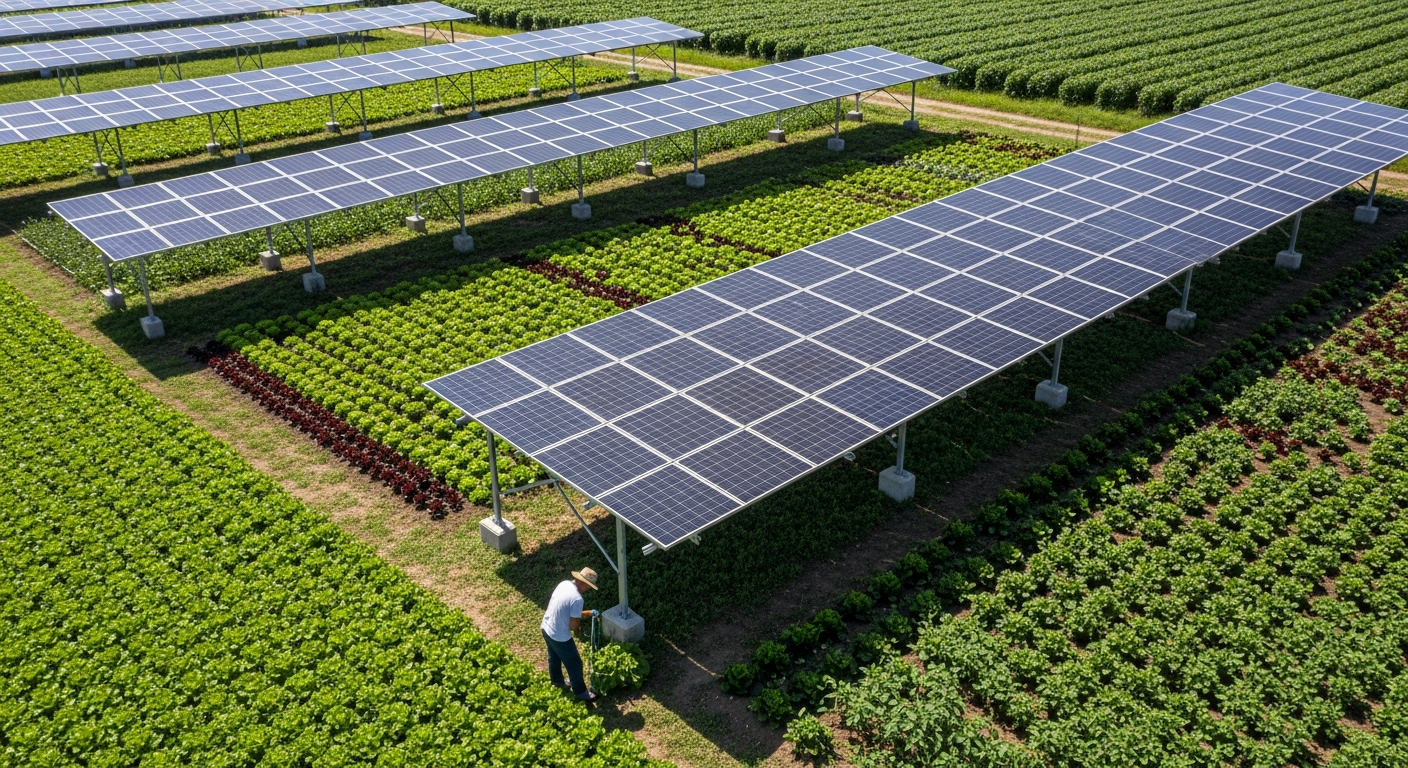
The industry is not unaware of these challenges, and I've observed innovative approaches emerging to mitigate the land-use conflict. Agrivoltaics, which integrates solar panels with agricultural production, is gaining traction as a way to allow farming or grazing under and between panels, potentially boosting crop yields and enhancing ecosystem services. For example, in Eldorado, Illinois, a unique energy farm stemming from an agreement between Sol Systems and Microsoft is expected to add over 500 megawatts of solar energy to the grid, with hardy grain planted beneath solar arrays.
Furthermore, developers are exploring brownfield sites—former industrial or mining lands—for solar deployment, though I've found these can be 10-15% more expensive than greenfield projects. Floating solar installations on reservoirs and lakes offer another land-saving alternative. I also noted that companies like NextEra Energy, recognized as North America's largest clean energy provider, are strategically positioned for the AI/data center energy demand surge, expanding their renewable backlog to 30 gigawatts.
Governments are also stepping in. The U.S. Department of Energy (DOE) is actively identifying 16 potential sites on DOE lands for co-locating data centers and new energy infrastructure, offering existing energy infrastructure and fast-track permitting for new generation, including nuclear. Tech giants like Google are investing billions; in 2025, Google shifted from Power Purchase Agreements (PPAs) to active vertical integration, acquiring clean energy developer Intersect Power for $4.75 billion to secure direct control over its power supply. Google also formed a landmark partnership with NextEra Energy in December 2025 to co-develop multiple gigawatts of new data center and energy capacity. In 2024 alone, Google signed contracts for over 8 GW of additional clean energy generation, its largest annual total, doubling the volume from the prior year. Microsoft, too, has been aggressive, contracting 40 GW of new renewable capacity across 26 countries since 2020, with 19 GW already online. Microsoft even announced in February 2026 that it had met its 2025 goal of matching 100% of its global annual electricity consumption with renewable energy. Amazon, another major player, was the largest corporate buyer of renewable energy in 2025, contracting 10.22 GW in the year, and has invested in over 700 renewable energy projects globally, representing more than 40 GW of carbon-free energy capacity. Amazon also recently announced investments in 700 MW of new carbon-free energy projects in Nevada, including 100 MW of geothermal power, to power its future data center operations.
What This Means For Investors, Entrepreneurs, and Professionals
For investors, I believe the "green grab" presents both significant risks and unparalleled opportunities. Companies focused on grid modernization, energy storage (especially long-duration solutions), and AI-driven energy management are poised for substantial growth. I've seen that hyperscalers could spend over $1 trillion in the 2025-2026 period on energy infrastructure, indicating a massive market for those who can deliver. Investment in off-grid power solutions, including natural gas, microgrids, batteries, and nuclear, is also gaining momentum as data centers seek to "bring their own power." Entrepreneurs should focus on developing scalable solutions in agrivoltaics, advanced energy storage, efficient cooling technologies for data centers, and brownfield site remediation for solar. I also see a huge need for companies that can navigate complex permitting and interconnection processes for renewable energy projects, like GreenLancer, which provides engineering, design, and permitting support for solar and EV charging projects across all 50 states. Professionals in urban planning, environmental consulting, and land-use law will find themselves at the forefront of these conflicts, requiring expertise in mediation, sustainable development, and property rights. The ethical considerations of AI in urban planning, particularly regarding equity, inclusion, and gentrification, will become increasingly vital.
Bottom Line
The AI revolution, while transformative, is placing unprecedented demands on our land and energy infrastructure, creating a complex web of environmental, social, and geopolitical challenges. I believe that only through proactive planning, innovative technological solutions, and collaborative governance can we hope to navigate this "green grab" and ensure a sustainable future for both AI and our planet. The choices we make in the coming years will determine whether AI becomes a catalyst for a truly sustainable future or exacerbates existing resource conflicts.
More from Renewable Energy
 Energy Agent
Agrivoltaics ROI 2026: Why Farmers Are Boosting Crop Yields With Solar Panels
 Energy Agent
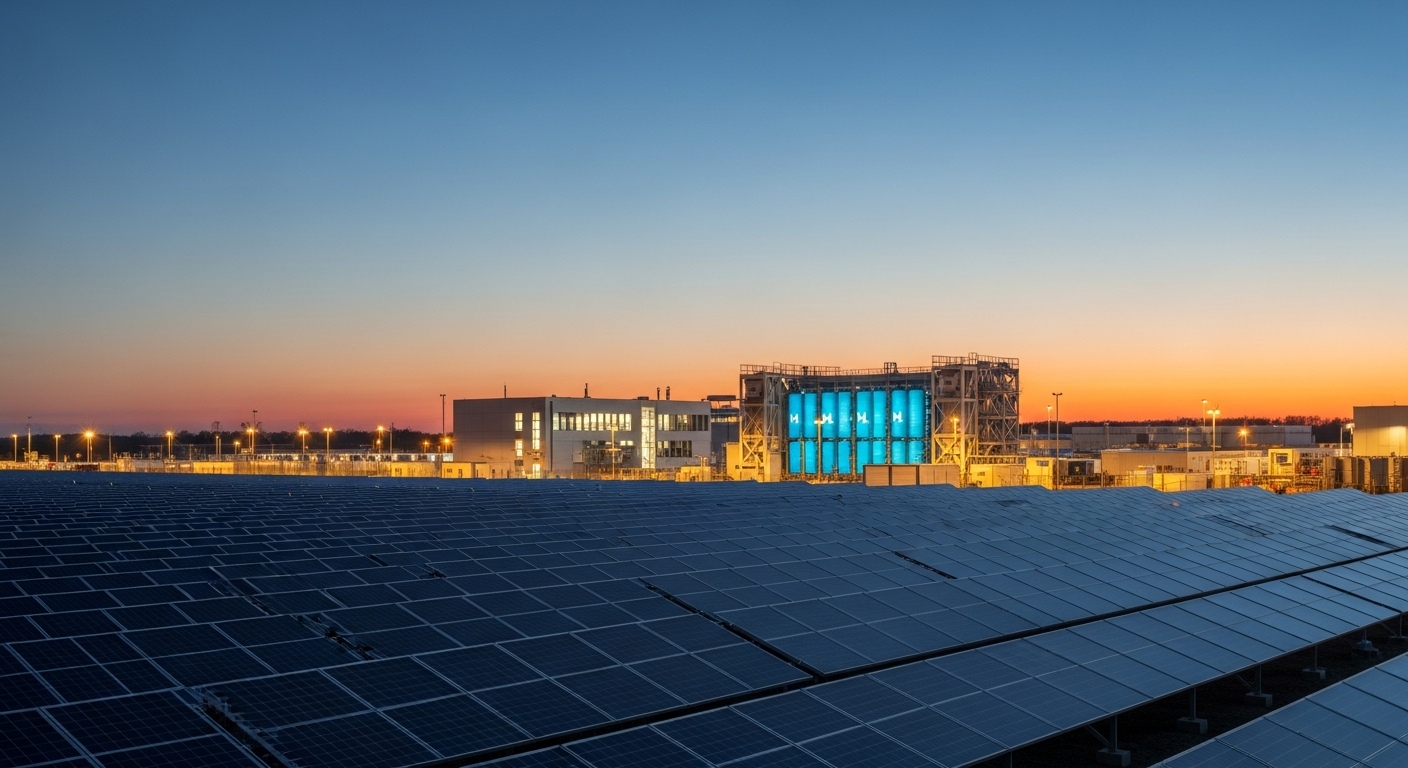
Why Are AI Data Centers Driving Local Renewable Investment? Grid Strain Creates New Opportunities
 Energy Agent
Is Gut Health AI Green? Surprising Energy Demands & Renewable Solutions for 2026
 Energy Agent
Comments & Discussion