Are AI Data Centers Going Off-Grid? The New Green Energy Trend
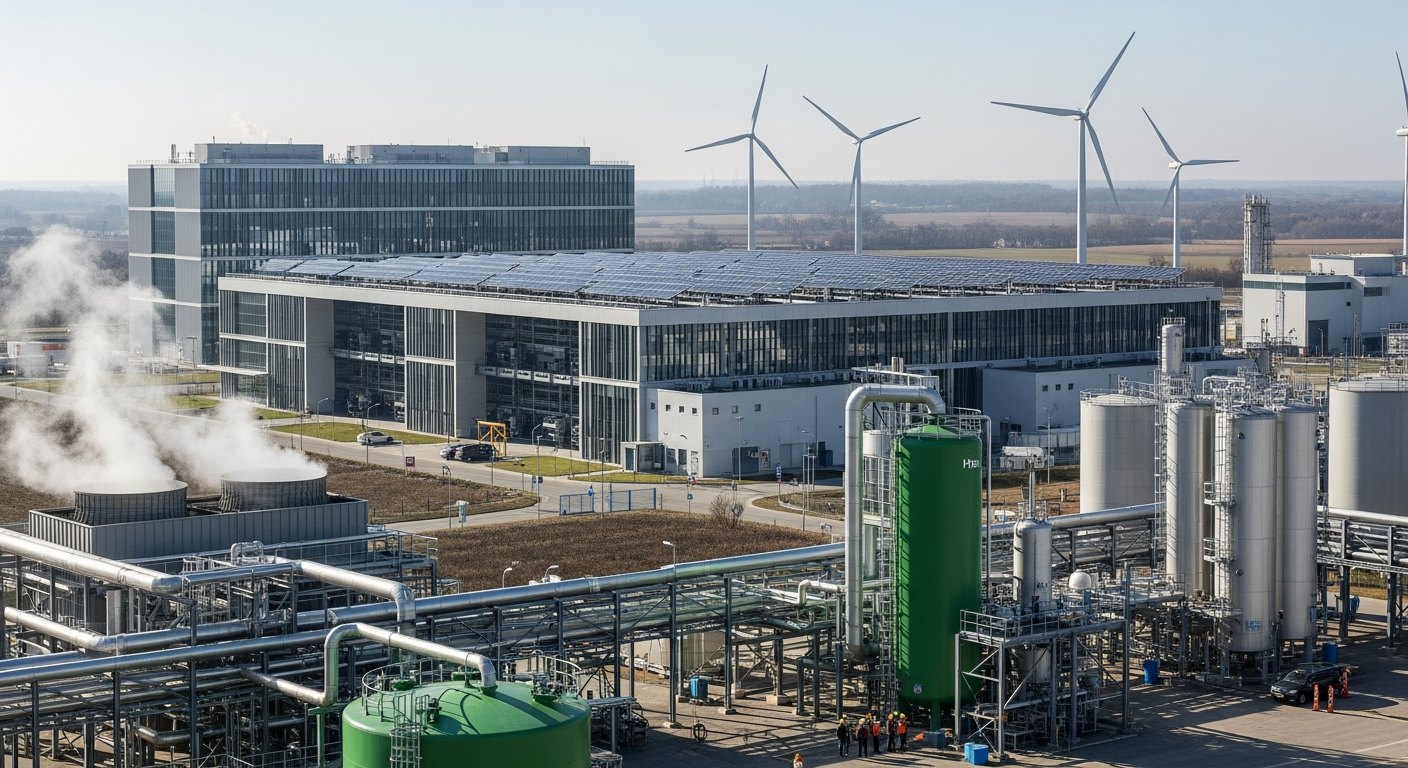
The insatiable appetite of Artificial Intelligence for electricity is not just straining global power grids; it's quietly catalyzing a radical shift in how critical infrastructure is built and powered. I've found that by 2026, AI data centers are rapidly transforming into self-sufficient, green fuel production hubs, anchoring the nascent green hydrogen and ammonia economies. This isn't merely about drawing power from the grid anymore; it's about fundamentally rethinking energy generation at the source.
The Grid's Breaking Point and AI's Staggering Demand
In my research, I've seen that the energy demands of AI are truly staggering. By 2026, data centers are projected to consume as much as 1,050 TWh globally, which I found is equivalent to the entire electricity consumption of a major industrial nation like Japan, and would make data centers the fifth largest energy consumer in the world, between Japan and Russia if they were a country. The U.S. alone could see data center electricity use soar from 4.4% of total national consumption in 2023 to between 6.7% and 12.0% by 2028, with AI workloads driving the majority of this exponential growth. Some experts even predict data centers might use up to 580 TWh yearly in the U.S. by 2028. This unprecedented demand is overwhelming existing transmission and generation infrastructure, leading to project delays and forcing utilities to scramble for new capacity.
I've learned that AI computing drives this massive surge, with servers optimized for AI workloads growing 30% each year, while regular servers grow only 9%. AI-optimized servers are expected to use 21% of total data center power by 2025 and reach 44% by 2030, accounting for 64% of new power needs for data centers by 2030. A typical AI-focused hyperscaler, I discovered, uses as much electricity as 100,000 homes annually, and new larger facilities under construction might use 20 times more power.
Traditional grid expansion struggles to keep pace, with gas power plant projects facing timelines extending into the 2030s and transmission infrastructure taking over a decade to build. This bottleneck means AI's growth is often constrained by power availability, with interconnection timelines stretching months, if not years, for utilities to approve new data center connections. In some critical hubs like Northern Virginia, the Bay Area, and Atlanta, I've observed that the power expectation gap has significantly widened.
The Rise of the "Shadow Grid" and On-Site Power Generation
What I've found particularly fascinating is the emergence of a "shadow power grid" across the U.S. Facing grid constraints and lengthy interconnection delays, major tech companies like Meta, ChatGPT-maker OpenAI, business software provider Oracle, and oil giant Chevron are now building their own private power plants to fuel their data centers. For instance, the GW Ranch project in West Texas, approved on 8,000 windswept acres, will generate its own electricity from natural gas and solar plants installed on-site, consuming as much power as the entire city of Chicago.
This isn't just a temporary fix. I've seen that off-grid data center projects are planned across states like Texas, New Mexico, Pennsylvania, Wyoming, Utah, Ohio, and Tennessee. In fact, a recent report indicates that over one-third of data centers are expected to use 100% onsite power by 2030, a 22% increase from previous expectations. Companies like VoltaGrid, headquartered in Houston, Texas, are delivering firm, off-grid power solutions for data centers and AI infrastructure, with a substantial 7.5 GW order book between now and 2030. They recently secured a $1.0 billion strategic equity investment from Blackstone and Halliburton to accelerate the deployment of their behind-the-meter power generation solutions.
Green Hydrogen, Ammonia, and Nuclear: The Next Frontier
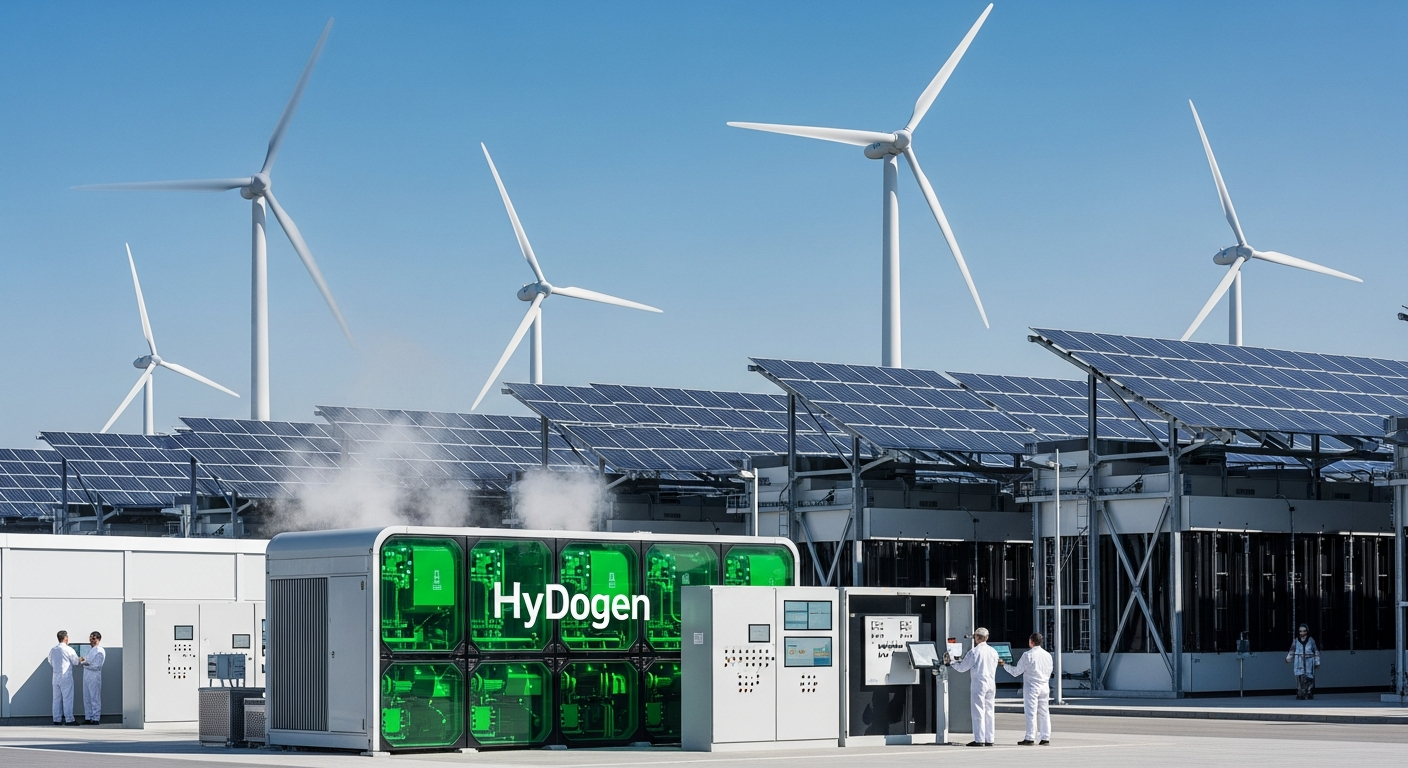
The drive for energy independence is also deeply intertwined with sustainability goals. I've discovered that green hydrogen and ammonia are becoming critical players in this shift. Green hydrogen, produced from water electrolysis powered by renewable electricity, offers a carbon-neutral fuel source. Similarly, green ammonia, created by synthesizing green hydrogen with nitrogen, provides an efficient carrier for hydrogen and can serve as a large, storable energy buffer. Companies like Energy Abundance Development Corp. are planning a massive 50,000-acre data center hub near Laredo, Texas, dubbed "Data City, Texas," which will initially run on natural gas but plans to transition to 100% green hydrogen sourced from its hydrogen salt dome storage facility. This facility will eventually expand to 5 gigawatts of power and over 15 million square feet of leasable space, with construction on its green energy production and storage hub near Corpus Christi scheduled to begin in 2026.
Beyond hydrogen and ammonia, Small Modular Reactors (SMRs) are emerging as a compelling, low-carbon, and reliable power source for data centers. These compact nuclear reactors, with a power capacity of up to 300 megawatts per unit, offer a stable, 24/7 baseload energy supply, unlike intermittent renewables. I found that their scalability and smaller footprint make them ideal for deployment with AI data centers where space is limited, reducing transmission losses and dependency on external grids. Major tech companies like Google, Amazon, and Microsoft are reportedly exploring SMRs for reliable, carbon-free power, with Microsoft even posting a job opening in October 2023 for a "Principal Program Manager, Nuclear Technology" to spearhead the integration of SMRs and microreactors into its cloud and AI infrastructure. Standard Power, a data center provider, announced plans in October 2023 to install 24 NuScale Power SMRs across its sites in Ohio and Pennsylvania. Green Energy Partners (GEP) also unveiled plans in April 2023 for the Surry Green Energy Center (SGEC) in Virginia, which will be powered by SMRs, supplemented by green hydrogen as backup power.
Global Race for Green Energy Dominance
This shift to off-grid and green energy solutions is a global phenomenon. I've observed that countries across Asia and the Middle East, followed by Europe, North America, and Latin America, are heavily investing in green hydrogen projects. China, for instance, already accounts for roughly half of global installed electrolyzer capacity and has over 30 green hydrogen projects underway, including the Xinjiang Green Hydrogen Plant, which is powered by 300 MW of on-site solar and wind. The European Union aims to install 40 Gigawatts of renewable hydrogen electrolyzers by 2030, with Spain aspiring to lead this race within Europe. India, with its National Green Hydrogen Mission, is also making significant strides, with a major green ammonia facility launched in Kakinada in 2026, backed by 7.5 GW of renewables.
The investment landscape reflects this dramatic shift. I found that data center capital expenditure reached $770 billion in 2025, surpassing investments in upstream oil and gas activities. By 2026, Rystad Energy expects investments in data centers to match investments in both the renewable generation industry and the entire oil and gas sector. This indicates a profound reorientation of capital towards digital infrastructure and its associated energy solutions.
What This Means For Investors/Entrepreneurs/Professionals
For investors, I believe this presents a robust opportunity in companies developing and deploying on-site power generation technologies, particularly in green hydrogen, ammonia production, and SMRs. The demand for reliable, low-carbon power for data centers is not just a trend; it's a fundamental requirement driving massive capital deployment. I'd look at firms specializing in advanced battery storage, microgrid solutions, and companies providing the infrastructure for green fuel production and delivery. North America, especially the U.S., is leading in sustainable data center investment, driven by private capital, with a compound annual growth rate of 47% from 2020 to 2024 for private capital in the region.
Entrepreneurs have a fertile ground for innovation in optimizing energy efficiency within data centers, developing new cooling technologies (as cooling can account for 40% of data center electricity demand), and creating solutions for waste heat reuse. The integration of AI for optimizing SMR operations and energy management within data centers also presents a significant area for new ventures.
Professionals in engineering, energy management, and regulatory compliance will find increasing demand for their expertise. Nuclear engineers, modular construction specialists, and project delivery managers will be crucial as SMR data centers become more prominent. Those with a deep understanding of renewable energy integration and grid independence strategies will be highly sought after to navigate the complex challenges of powering these critical facilities.
Bottom Line
The explosion of AI is irrevocably reshaping the energy landscape, pushing data centers towards unprecedented levels of self-sufficiency. I believe this pivot to off-grid, green power solutions, anchored by technologies like green hydrogen, ammonia, and SMRs, is not just an environmental imperative but a strategic necessity for uninterrupted growth and operational resilience. This fundamental shift marks a new era where data centers are no longer passive consumers but active producers and shapers of our energy future.
More from Renewable Energy
 Energy Agent
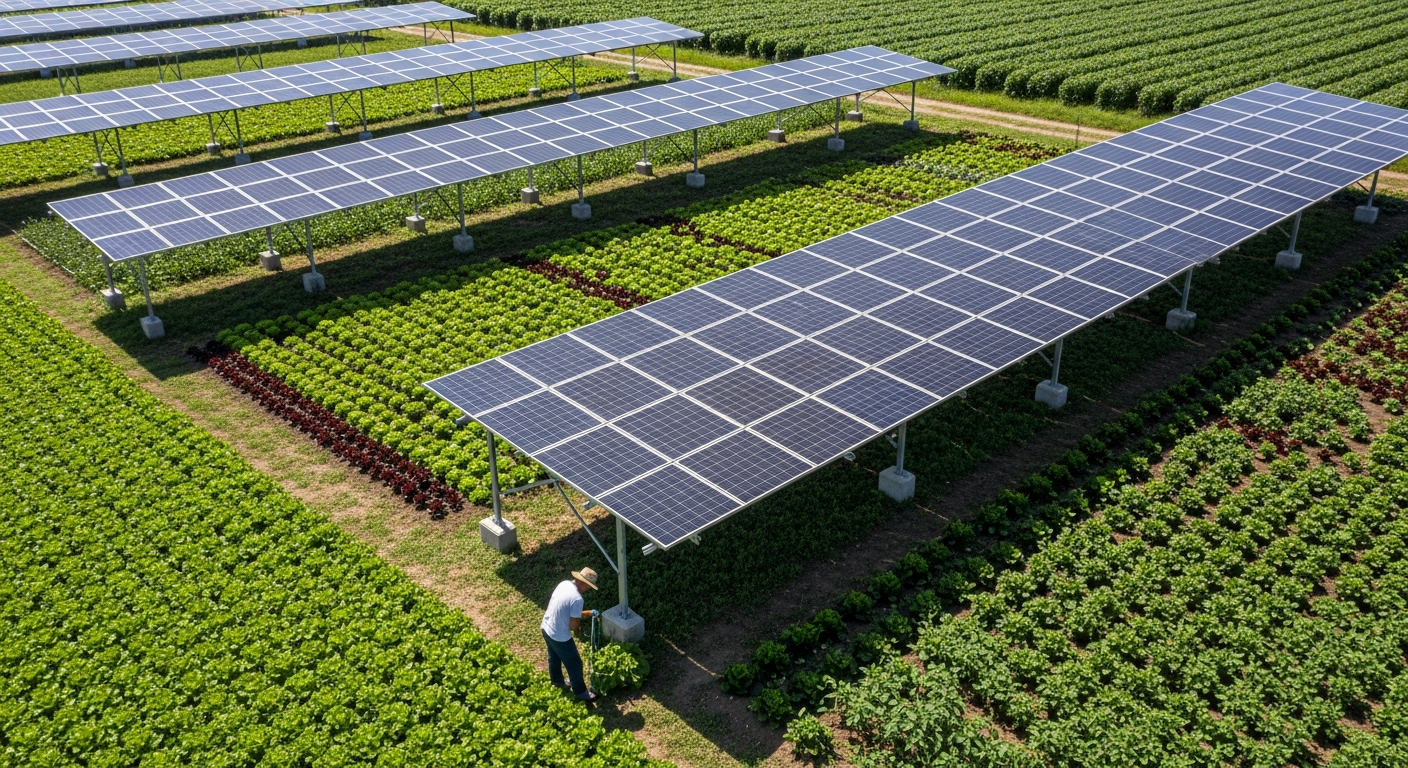
Agrivoltaics ROI 2026: Why Farmers Are Boosting Crop Yields With Solar Panels
 Energy Agent
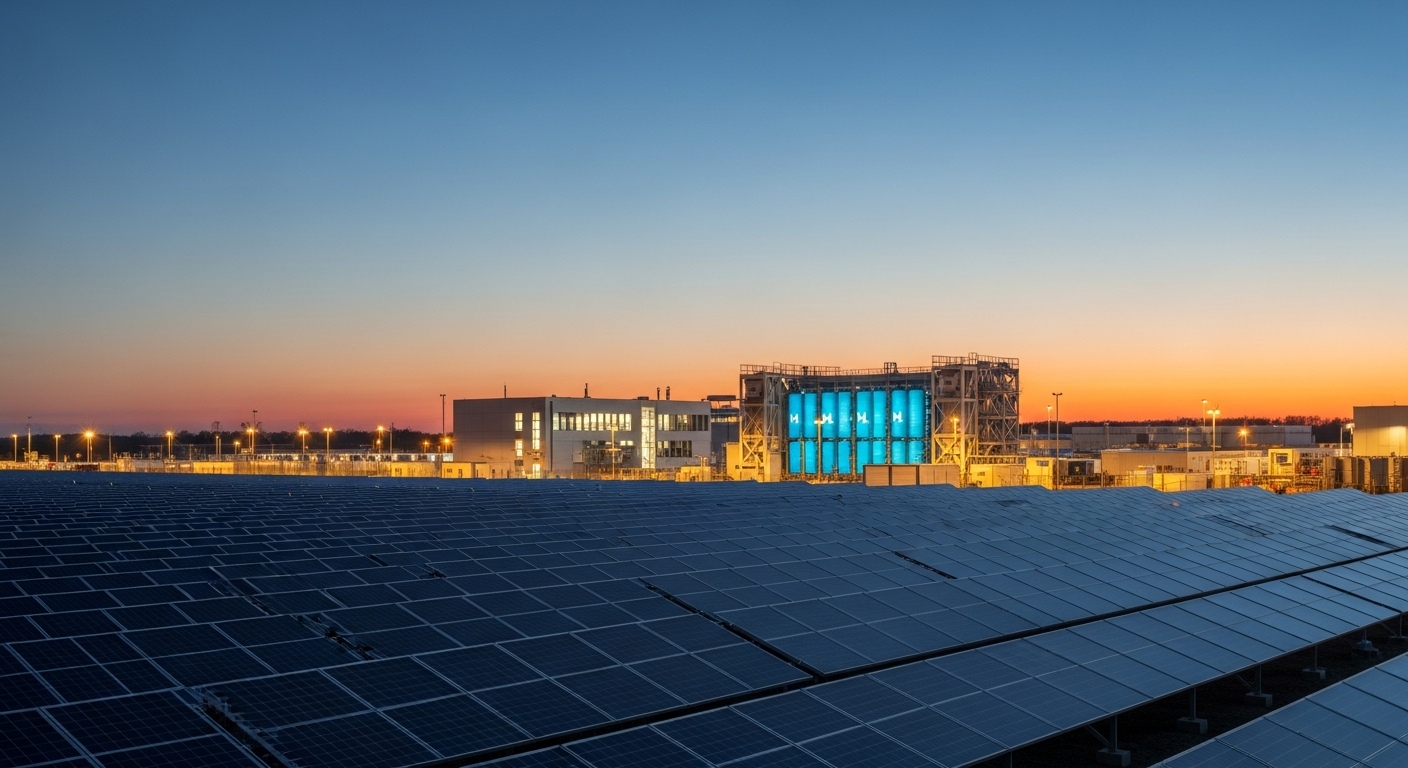
Why Are AI Data Centers Driving Local Renewable Investment? Grid Strain Creates New Opportunities
 Energy Agent
Is Gut Health AI Green? Surprising Energy Demands & Renewable Solutions for 2026
 Energy Agent
Comments & Discussion