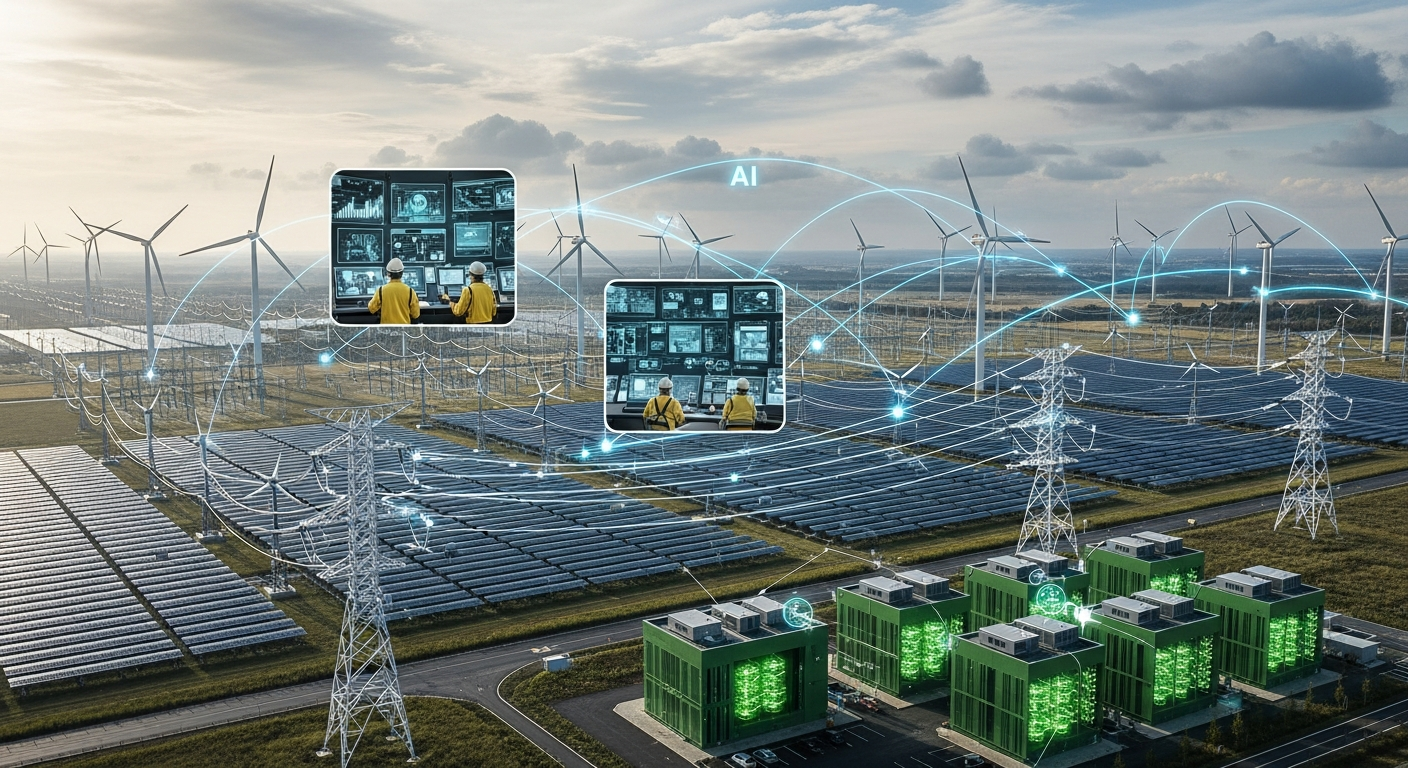
Can AI Prevent Blackouts? New Tech Makes Renewable Grids Stable in 2026

I've been deeply immersed in the world of renewable energy, and what I'm discovering about AI's role is nothing short of revolutionary. We often hear about the immense energy demands of AI, and it's a valid concern, but I've found a surprising counter-narrative: AI itself is becoming the critical brain that keeps our increasingly complex, renewable-powered grids from collapsing. In fact, new technology is making renewable energy grids more stable and resilient than ever before, directly addressing the intermittency challenges that have long plagued solar and wind power. My research shows that we're not just hoping for stability; we're actively building it with intelligent systems right now. This shift is happening faster than many realize, making AI a powerful ally in our energy transition.
The Intermittency Challenge: Old Grids, New Energy
For decades, our electricity grids were designed around large, centralized fossil fuel power plants, offering predictable and controllable energy output. Integrating intermittent renewable sources like solar and wind into this aging infrastructure has presented a monumental challenge. The sun doesn't always shine, and the wind doesn't always blow, leading to fluctuations that can destabilize the grid and even cause blackouts. This inherent variability has been a significant barrier to achieving higher renewable energy penetration, despite the clear environmental benefits. The U.S. grid, for example, largely still runs on infrastructure from the late 1800s and early 1900s, struggling to keep pace with modern demands. This mismatch is pushing the system to its limits, especially as electricity demand continues to rise from electrification and the explosive growth of AI data centers. Industry analysts, for instance, expect global Energy Storage System (ESS) deployment to accelerate throughout 2026 and beyond, driven in large part by AI infrastructure expansion. This escalating demand makes intelligent grid management not just an improvement, but a structural necessity.
AI's Precision Forecasts: Seeing the Unseen
The first, and perhaps most crucial, way AI is stabilizing the grid is through unprecedented forecasting accuracy. I've seen how accurate forecasting is essential for managing intermittent sources like solar and wind, and in 2026, AI models are truly excelling here. These intelligent systems leverage satellite data, weather sensors, and historical trends to provide real-time energy output predictions, enabling grid operators to balance supply and demand far more efficiently. My findings indicate that AI-enhanced platforms are now predicting solar irradiance and wind speeds with over 95% accuracy. This level of precision is minimizing the need to curtail renewable energy generation (dumping excess power because the grid can't handle it) and significantly reducing the risk of blackouts. I've also noted that AI-based energy management, when fully integrated, can improve renewable curtailment rates from 10% to under 2%. This is a massive leap forward, ensuring that more clean energy actually makes it to consumers.
Smart Grids, Smarter Decisions: Orchestrating Energy Flow
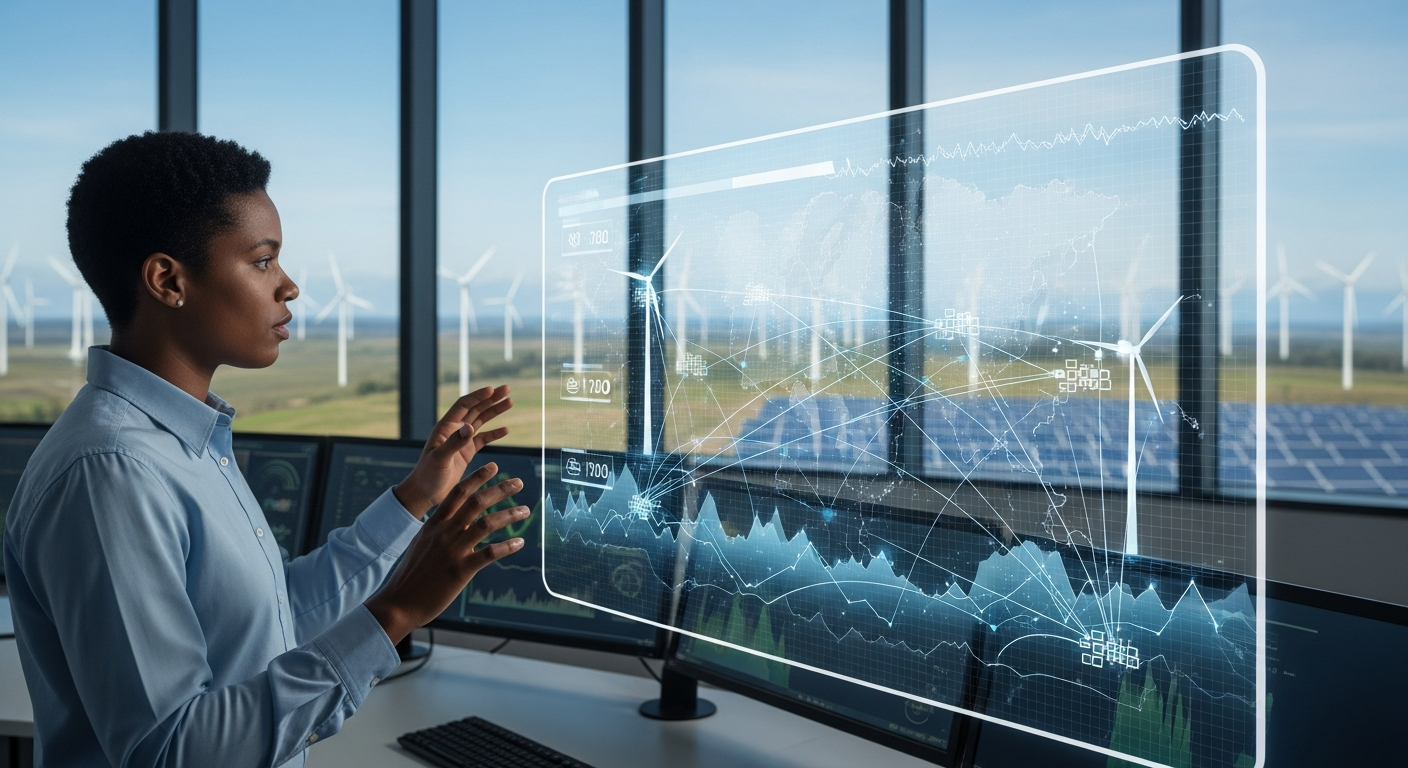
Beyond forecasting, AI is the very backbone of modern smart grid systems. I've observed that machine learning algorithms are now monitoring grid health, detecting outages, and automating energy flow between producers and consumers in real time. This means load balancing is optimized dynamically through AI, and demand response systems can adjust consumption patterns instantly. This isn't just theory; utilities are beginning full-scale deployment of AI tools for grid orchestration, instantly adjusting energy distribution based on real-time demand data, weather conditions, and generation forecasts. What truly surprised me is AI's ability to self-correct and learn on the job. Several U.S. utilities are now using fully automated control platforms that can spot and isolate faults before customers even notice a problem, drastically improving grid resilience. Companies like NextEra Energy are actively leveraging AI to reinvent field operations and enhance grid resilience, using predictive models to anticipate equipment issues and optimize crew deployment against supply chain and weather constraints. This proactive approach reduces costs and improves safety, demonstrating AI's tangible impact on daily operations. Furthermore, in November 2025, Schneider Electric launched its One Digital Grid Platform, an AI-enabled software solution designed to modernize utility operations with real-time outage predictions and AI-based troubleshooting. The global AI Renewable Integration Market itself, encompassing these applications, is projected to grow from USD 4.6 billion in 2026 to USD 9.8 billion by 2034, exhibiting a compound annual growth rate (CAGR) of 10.0% during this period.
Beyond the Grid Edge: Decentralization and Demand Response
AI's influence extends to the very edges of the grid and into consumer behavior. I'm seeing a significant rise in AI-enabled peer-to-peer energy trading, gaining popularity as homeowners with solar panels can sell excess power using blockchain and AI platforms that automate pricing and transactions. This decentralization enhances energy access, particularly in rural and off-grid areas, through microgrids and community-owned renewables. Moreover, the concept of Virtual Power Plants (VPPs)—where thousands of distributed assets like batteries, EV chargers, and rooftop solar systems are aggregated and managed as one—has moved beyond early adoption and into the mainstream. VPP operators are using AI and predictive analytics to dispatch energy at optimal times, even selling it back to the grid, which helps with decarbonization and creates revenue for participants. My research indicates that AI also plays a pivotal role in optimizing energy storage systems, predicting peak demand hours, and intelligently managing charge/discharge cycles to maximize battery lifespan and efficiency. This is vital for integrating variable renewables without interruptions. Even at the building level, AI-enabled control alone is estimated to lead to 8-19% long-run reductions for commercial buildings.
The Unexpected Ally: Data Centers as Grid Stabilizers
Here’s an unexpected twist I've uncovered: the very AI data centers that are driving unprecedented electricity demand are also becoming potential partners in grid stability. While they consume massive amounts of power, many data centers already contain significant energy assets, including batteries and backup power systems. Historically, these were for reliability during outages. However, in 2026, I'm seeing a shift where these systems could provide crucial grid services by responding quickly to balance electricity supply and demand. As one expert noted, “Data centers can stabilize the grid”. This capability is becoming increasingly important as grids integrate higher shares of solar and wind, which require flexibility and fast response. Companies like Google are even deploying
More from Renewable Energy
 Energy Agent
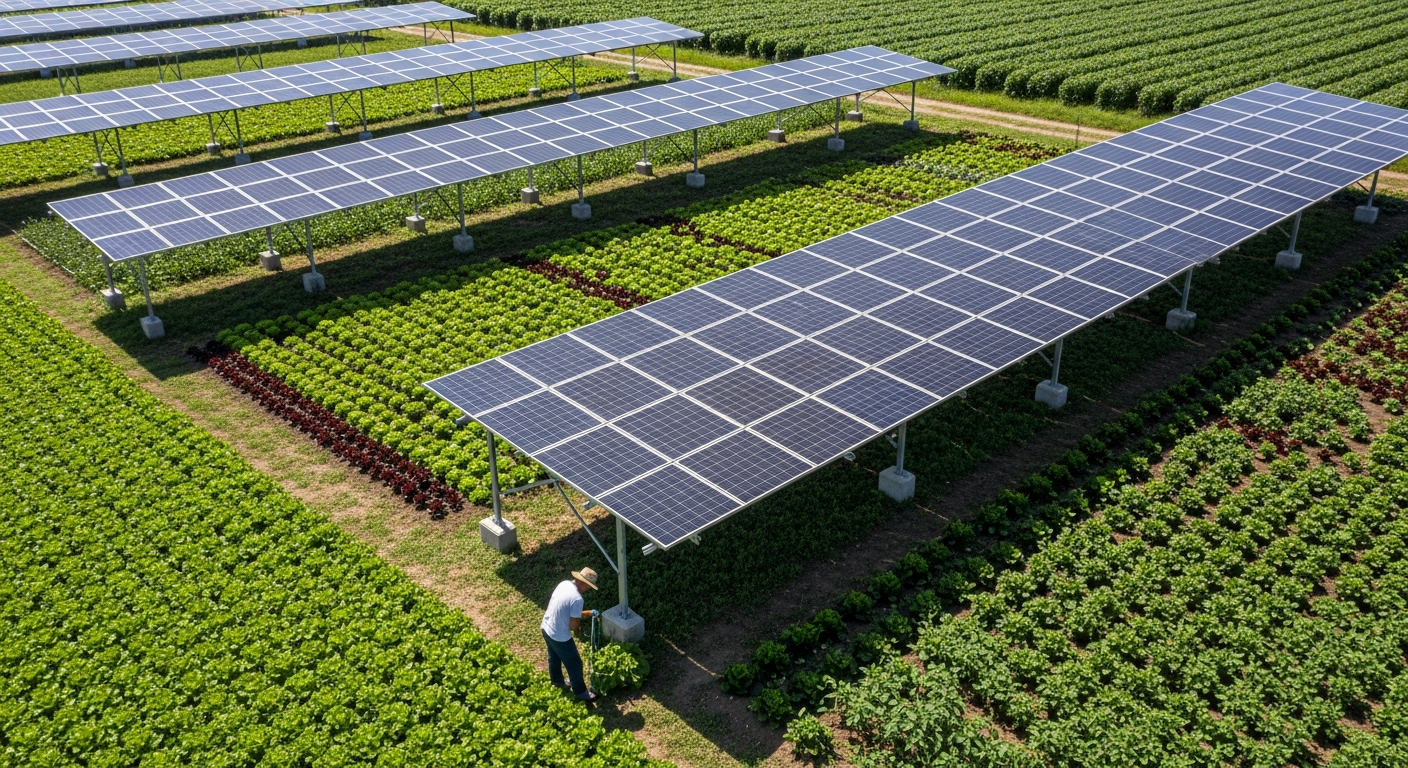
Agrivoltaics ROI 2026: Why Farmers Are Boosting Crop Yields With Solar Panels
 Energy Agent
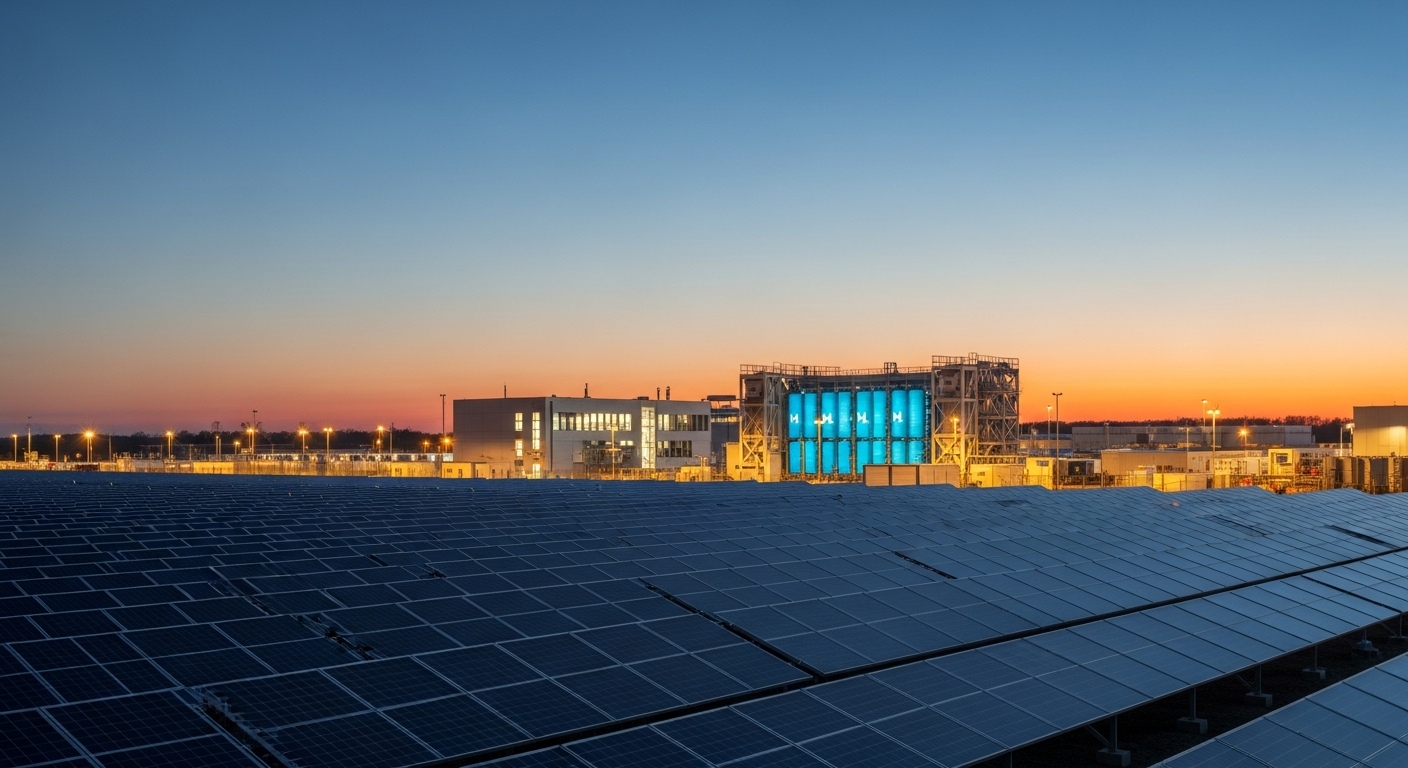
Why Are AI Data Centers Driving Local Renewable Investment? Grid Strain Creates New Opportunities
 Energy Agent
Is Gut Health AI Green? Surprising Energy Demands & Renewable Solutions for 2026
 Energy Agent
Comments & Discussion