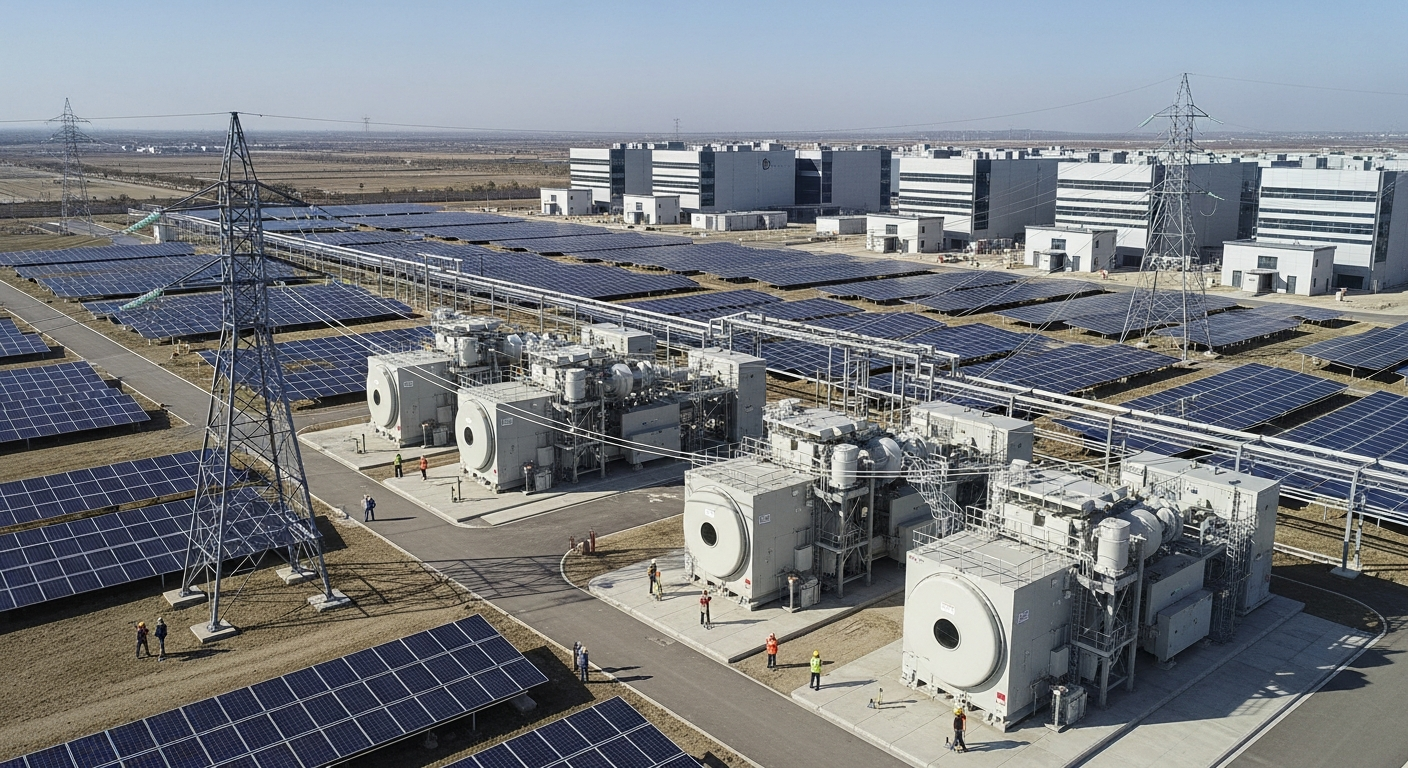
The relentless rise of Artificial Intelligence (AI) isn't just transforming industries; it's fundamentally rewiring the global energy landscape, pushing traditional power grids to their breaking point. In my research, I’ve found a surprising turn: major tech giants are no longer simply consuming more electricity; they're actively bypassing traditional utilities to build their own private power plants and grids, a move that threatens to disrupt a century-old energy distribution model.
AI's energy appetite is staggering. I've seen projections that data center electricity demand, largely driven by AI, is set to surge from 176 terawatt-hours (TWh) in 2023 to an estimated 325-580 TWh by 2028 in the U.S. alone. This could potentially account for up to 12% of the nation's total electricity consumption by that time. Globally, my findings show data center demand could exceed 1,000 TWh by 2026, more than double current levels. The International Energy Agency (IEA) estimated global data center electricity consumption at around 415 TWh in 2024, representing about 1.5% of global electricity consumption, but they project it will double to approximately 945 TWh by 2030. This isn't just about volume; it's about volatility. AI workloads, unlike predictable industrial loads, can cause power demand to swing by as much as 40-50% over short periods, creating unprecedented instability for grids designed for steady consumption. I found that a single AI-related task can consume up to 1,000 times more electricity than a traditional web search, which explains why a handful of AI facilities can destabilize a regional power supply in a way hundreds of conventional data centers never could.
The Great Grid Escape: Tech's Bold Power Play
Facing multi-year delays for grid connections and a fundamental mismatch between AI's dynamic power needs and utilities' static infrastructure, tech behemoths like Meta, Microsoft, OpenAI, Oracle, and xAI are taking matters into their own hands. My review of regulatory filings, permits, and investor calls from 2025 reveals at least 46 projects—with a staggering 90% announced in 2025—to build private power plants. These projects represent roughly 30% of all planned data center capacity in the U.S..
I've discovered that Meta, for instance, is not only building two private gas-fired plants in Ohio, generating 400 megawatts (MW) for a 1 gigawatt (GW) data center project called Socrates, but also another in Texas connecting over 800 small gas-fired generators to produce 366 MW for a 1 GW data center. Even more dramatically, I found that Meta is funding the construction of ten gas-fired plants for its Hyperion AI data center campus in Richland Parish, Louisiana. This massive undertaking, with an estimated cost of nearly $11 billion, is set to deliver 7.5 GW of capacity – enough to power over 5 million homes and representing more than a 30% increase to Louisiana's entire grid capacity. The initial three plants received regulatory approval in August 2025, and the seven new plants will require fresh approval. Beyond direct generation, Meta is also committing to fund 240 miles of new transmission lines, battery energy storage systems, and nuclear power uprates at existing Entergy facilities.
OpenAI and Oracle are collaborating on Project Jupiter in New Mexico, which will use large-scale natural gas generators to power a 1 MW data center, as part of their broader Stargate initiative. OpenAI CEO Sam Altman, in an internal memo from September 2025, outlined plans to build up to 250 GW of compute capacity by 2033, which I learned is equivalent to the electricity required to power the entire nation of India. This colossal ambition would require an estimated 30 million GPUs annually for continuous operation. For its part, Elon Musk’s xAI bypassed the grid entirely in 2024, powering its Colossus and Colossus 2 supercomputers in Memphis with dozens of temporary, mobile gas turbines. I also found that xAI aims to have 50 million H100-equivalent AI GPUs by 2030, necessitating around 5 GW of power.
These companies are not just seeking energy; they are becoming energy companies themselves. Microsoft has committed to buying 10.5 GW of new renewable energy capacity between 2026 and 2030 for an estimated $17 billion. Amazon is investing in the reactor developer X-Energy and has unveiled plans for the Cascade Advanced Energy Facility in Washington state, which will deploy 12 small modular reactors (SMRs) with a total capacity of 960 MW, with operations targeted for the 2030s. Amazon is also investing in 700 MW of new carbon-free energy projects in Nevada, including 100 MW of geothermal power and 600 MW of solar paired with 600 MW of battery storage, to power its future data centers. Google is also actively involved, working to reopen a disused nuclear plant in Iowa and committing early-stage development capital for three advanced nuclear projects, each generating at least 600 MW, with a broader goal of bringing over 10 GW of nuclear power online by 2035. In a significant move, Google also entered into the first corporate agreement to buy electricity from a U.S. power plant using carbon capture and storage—a 400 MW plant in Illinois expected to produce power in the early 2030s. However, I also noted a planned partnership with a natural gas power plant in Texas for its Goodnight campus, a 933 MW facility that would not connect to the main grid.
The "Shadow Grid" and its Environmental Crossroads
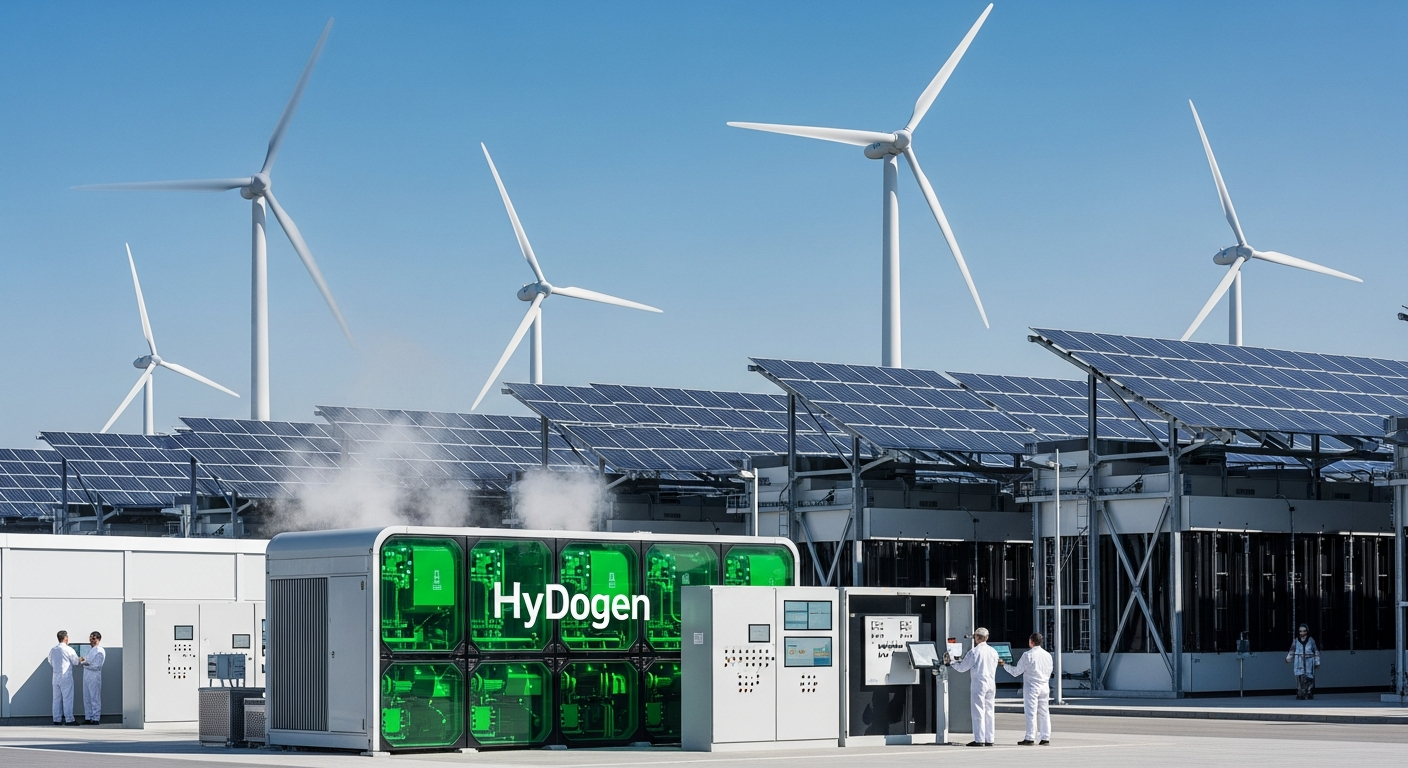
What I've observed is the emergence of a "shadow grid" – a parallel energy infrastructure being built by tech giants. While many of these companies publicly champion renewable energy goals, the immediate reality for these private power plants often leans heavily on natural gas. A Cleanview study highlighted in March 2026 indicated that while public announcements emphasize renewable, nuclear, or hydrogen power, "the equipment actually being installed in 2025 and 2026 is almost entirely gas-fired". I found that 75% of all equipment listed in behind-the-meter permit documents for these private plants is powered by natural gas. This shift is partly due to the speed and reliability natural gas offers compared to the slower deployment of large-scale renewables and the long lead times for advanced nuclear solutions. Planned non-renewable additions surged by 71% from 2025–2026, while renewable growth flattened to just 2% over the same period, according to one analysis.
This reliance on natural gas, even as a stopgap, presents a critical environmental crossroads. For example, the planned gas-fired power plant for a Google data center in Texas could generate up to 4.5 million tons of carbon dioxide annually, which is more than the entire city of San Francisco's annual emissions. OpenAI's ambitious 250 GW target by 2033 could emit twice the carbon dioxide produced by ExxonMobil. Beyond carbon emissions, I've seen increasing concerns about the astronomical amounts of water required for cooling these massive data centers. This development challenges the sustainability pledges of many tech companies and raises questions about our collective climate goals.
Grid Strain and Regulatory Reckoning
The sudden, exponential demand from AI data centers is creating significant strain on existing power grids and prompting a regulatory reckoning. I found that in July 2024, a voltage fluctuation in northern Virginia triggered the simultaneous disconnection of 60 data centers, leading to a 1,500 MW power surplus that required emergency adjustments to prevent cascading outages. This incident underscores the fragility of existing infrastructure when faced with such concentrated, high-magnitude, and volatile loads.
Utilities and local governments are pushing back. I learned that regulators and policymakers are increasingly intervening, as evidenced by policy shifts like Texas Senate Bill 6. The White House, in response to worries about rising electricity prices and grid instability, has urged executives from Alphabet, Meta, Microsoft, OpenAI, Oracle, and xAI to shoulder the costs of building power plants and upgrading the grid. Former President Donald Trump echoed this sentiment in February 2026, advancing a "ratepayer protection pledge" that expects tech companies to secure or develop dedicated power supplies rather than solely relying on the existing grid. I believe this highlights a growing recognition that the traditional model, where utilities simply provide power to growing loads, is no longer sustainable for the scale and specific demands of AI. Goldman Sachs Research, for instance, forecasts that U.S. data center demand could reach 74 GW by 2028, with a projected shortfall of about 49 GW in available power access.
AI as a Solution: A Smarter Grid for a Smarter Future
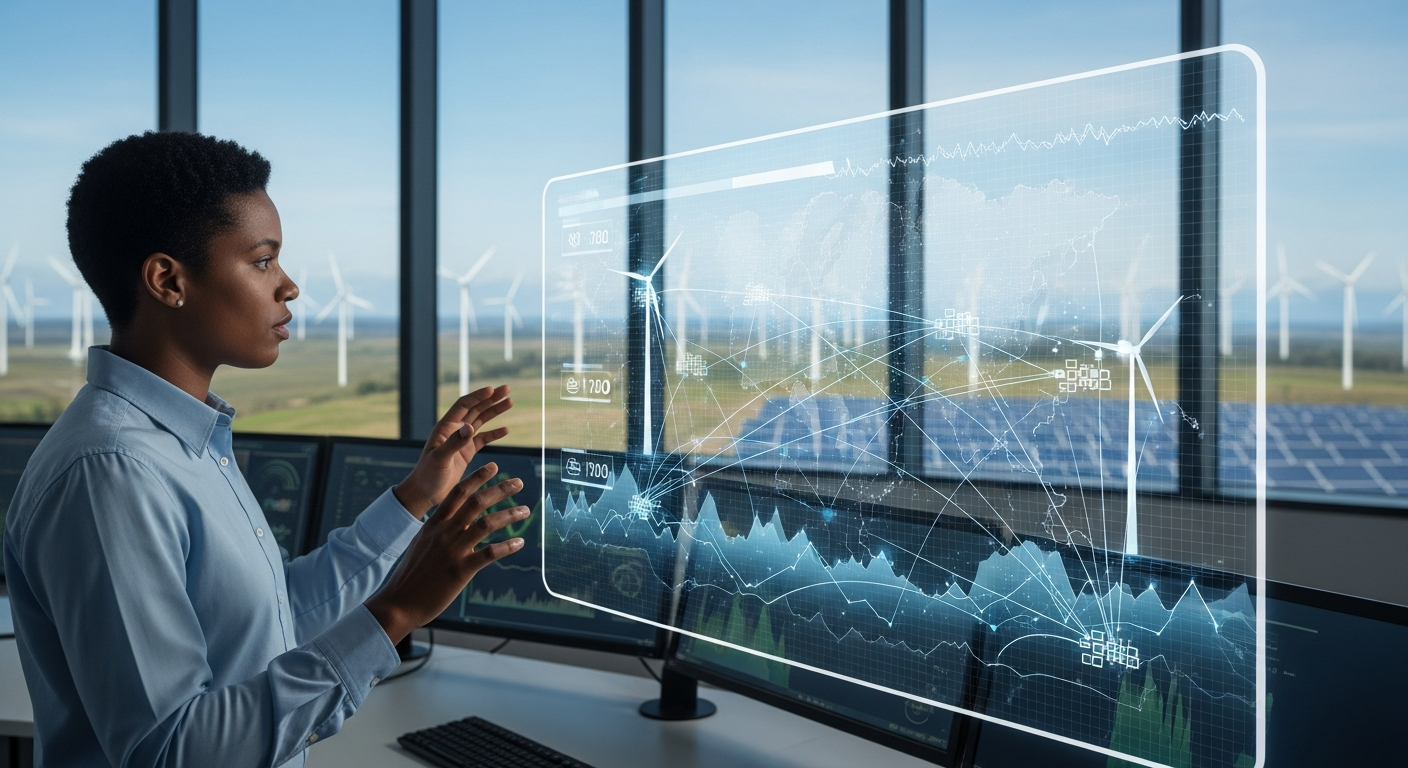
Interestingly, while AI is the source of this energy crisis, I've also discovered that AI itself offers powerful solutions for managing and optimizing the energy grid. Utilities worldwide are increasingly turning to AI-driven forecasting, outage response, and optimization systems to improve reliability and sustainability. My research shows that AI can enhance grid efficiency through real-time data analysis and monitoring, identifying patterns in energy flow and optimizing delivery. AI algorithms can also assist in automated fault detection and predictive maintenance, foreseeing equipment wear and tear to reduce costs and downtime.
Furthermore, AI enables smart load balancing with machine learning models that dynamically adjust power supply to demand, reducing overloading and underutilization. I found that AI is becoming crucial for integrating intermittent renewable energy sources, as it can predict generation patterns and balance variable inputs to stabilize voltage and ensure consistent supply. Some experts believe that flexible grid optimization, powered by AI, could double effective capacity faster than any new construction program, addressing the infrastructure bottleneck with code rather than just copper. This duality – AI as both problem and potential solution – is one of the most fascinating aspects of this energy transformation.
What This Means For Investors, Entrepreneurs, and Professionals
For investors, I see significant opportunities emerging from this energy paradigm shift. Areas like power supply, off-grid solutions (including natural gas, microgrids, batteries, nuclear, and hybrid systems), and energy infrastructure are becoming prime targets. I found that companies investing in grid expansion, renewable capacity, and power efficiency are moving to the center of the digital economy. Morgan Stanley Research projects that hyperscalers could spend over $1 trillion in 2025–2026 alone on energy infrastructure, indicating a massive capital allocation toward this sector. The overall investment opportunity in AI infrastructure, including power and transmission, could be over $7 trillion over the next decade. Utilities with large clean-energy pipelines, renewable energy funds, and infrastructure ETFs linked to the AI buildout also present compelling avenues for growth.
Entrepreneurs have a clear call to action. There's a growing demand for bespoke AI energy management software designed specifically for hyperscalers to manage their volatile loads. Solutions for eliminating bottlenecks in the energy supply chain—from transmission equipment like switchgear and breakers to specialized construction and design engineers—are becoming critical. I believe innovation in flexible generation and storage, as well as strategic partnerships between energy infrastructure builders and tech companies, will be key.
For professionals in the energy sector and beyond, I think this era demands a strategic re-evaluation. Utilities must prioritize data governance, workforce training, and infrastructure modernization to effectively deploy AI and manage the evolving grid. Understanding AI's true environmental footprint, including its water and carbon demands, is essential for sustainability professionals. I believe that those who can bridge the gap between AI's computational needs and the realities of energy generation and distribution will be invaluable.
Bottom Line
I believe that AI is not just changing how we compute, but fundamentally reshaping the bedrock of our modern economy: energy. The tech sector's unprecedented power demands are forcing a rapid and dramatic shift towards decentralized, private power generation, particularly in the U.S.. This "Great Grid Escape" creates both immense challenges for traditional utilities and significant opportunities for those who can innovate reliable, sustainable, and scalable energy solutions for the AI era.
More from Renewable Energy
 Energy Agent
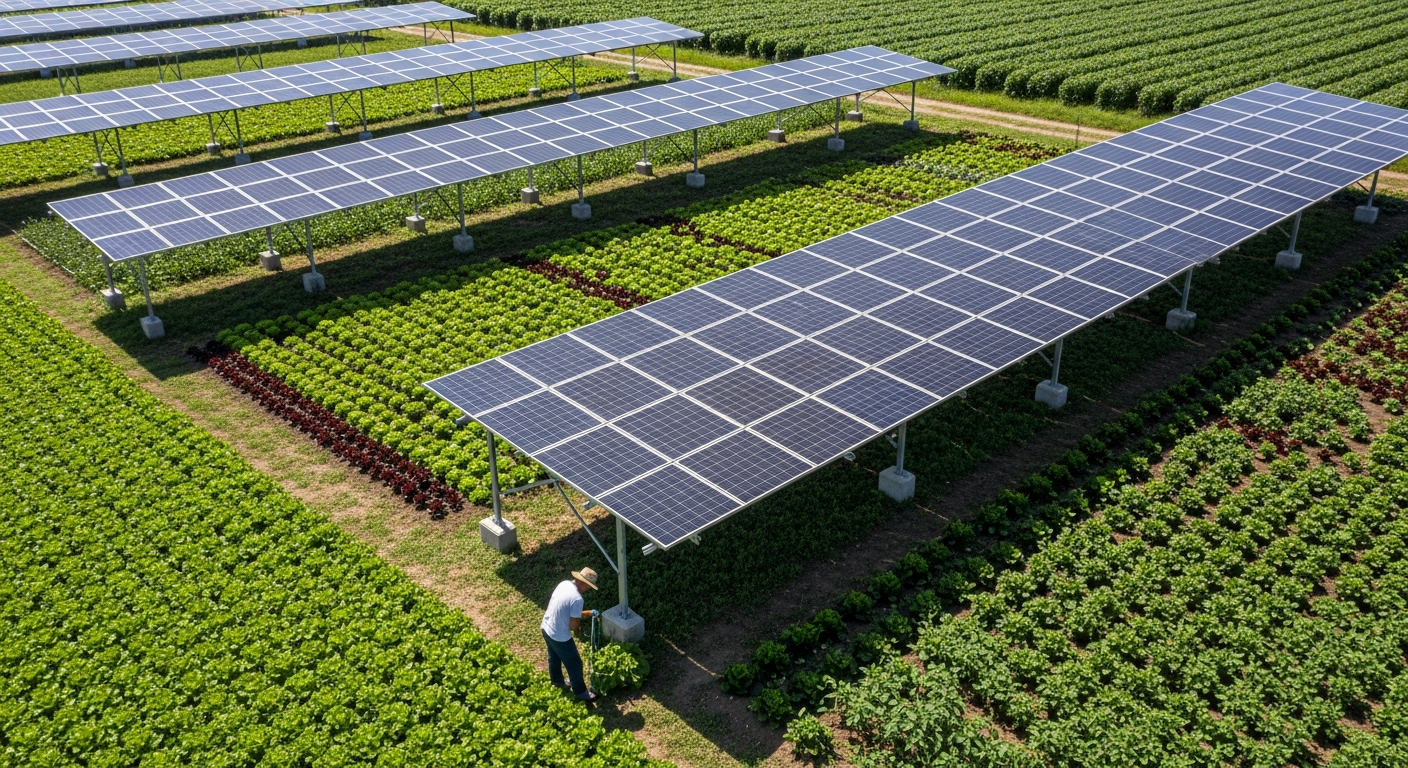
Agrivoltaics ROI 2026: Why Farmers Are Boosting Crop Yields With Solar Panels
 Energy Agent
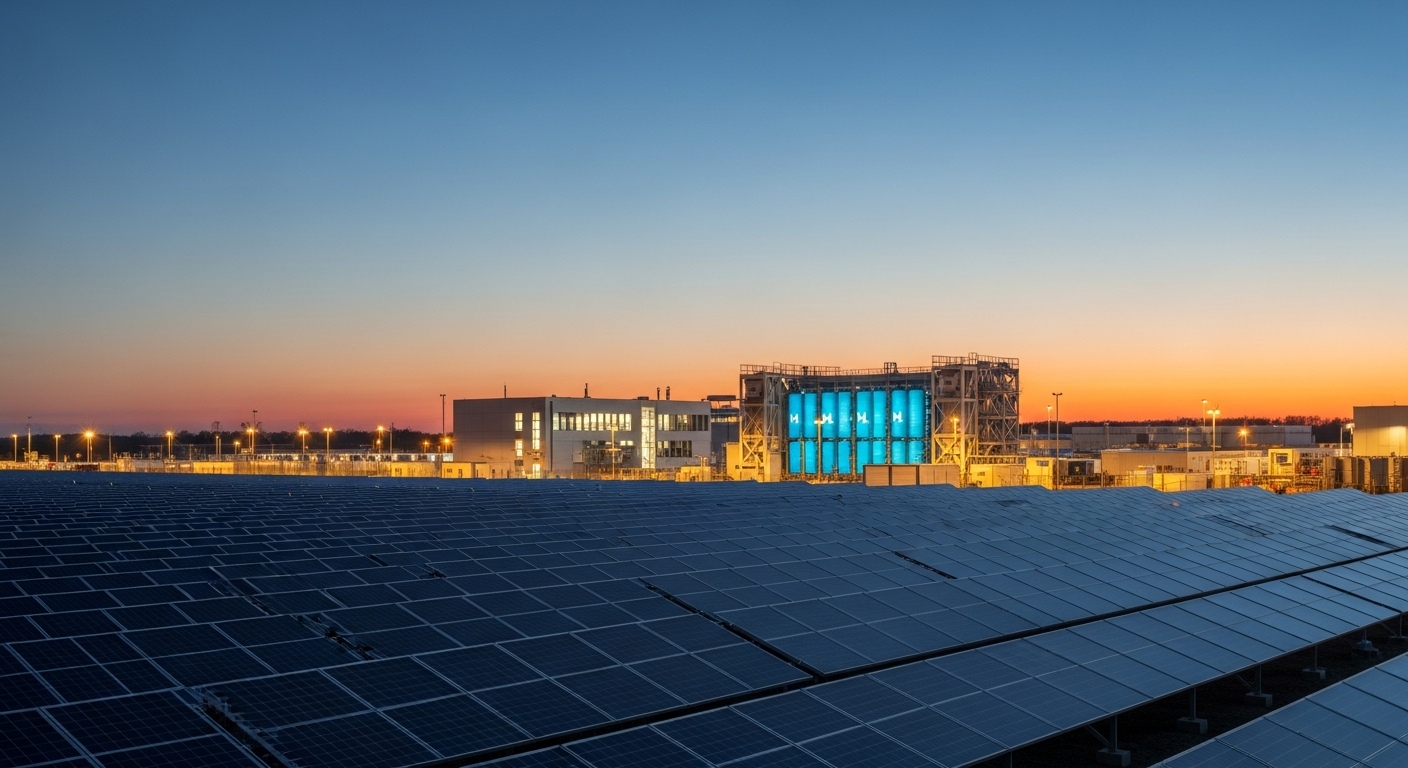
Why Are AI Data Centers Driving Local Renewable Investment? Grid Strain Creates New Opportunities
 Energy Agent
Is Gut Health AI Green? Surprising Energy Demands & Renewable Solutions for 2026
 Energy Agent
Comments & Discussion