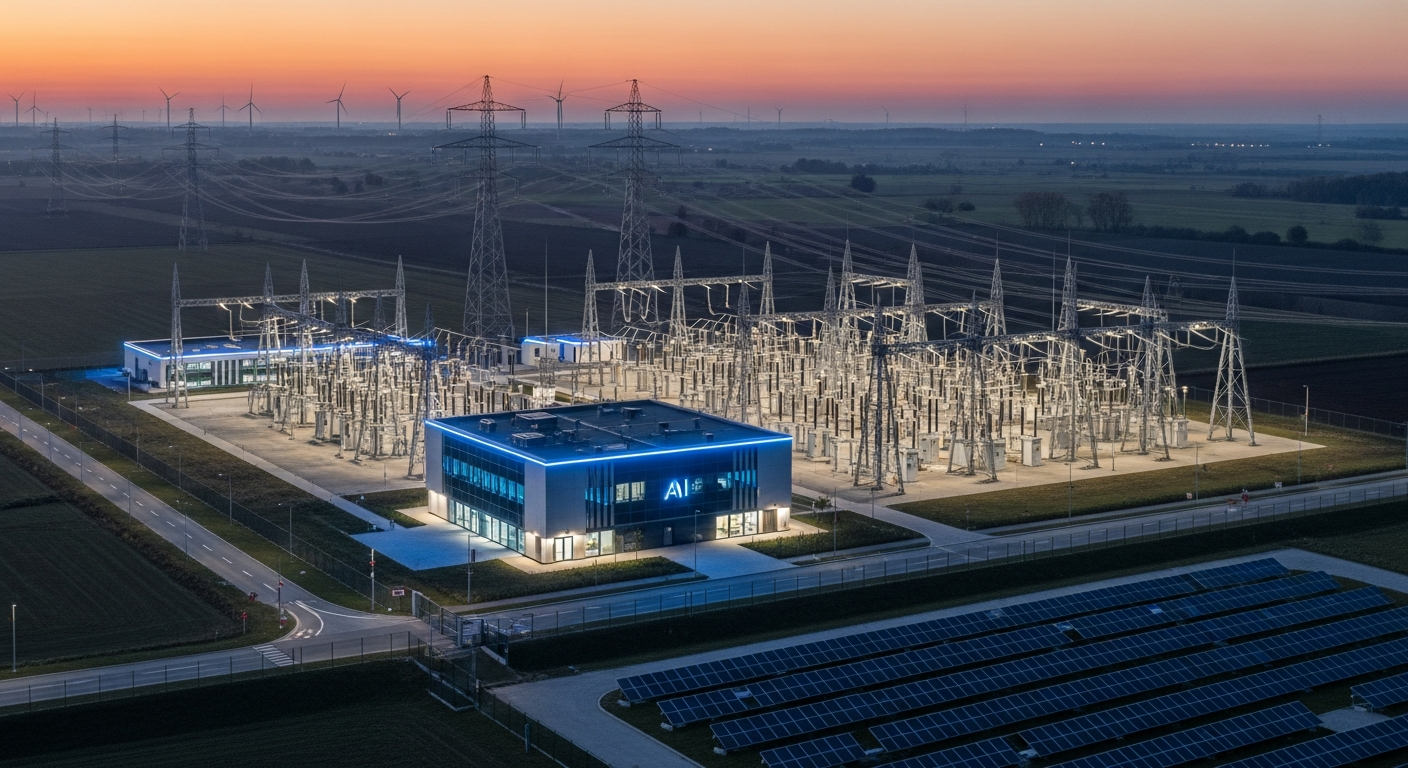
How AI Optimizes Renewable Grids: Why Utilities Are Quietly Investing Billions in 2026
The global energy landscape is undergoing a dramatic, often unseen, transformation. While much public discourse focuses on the massive energy demands of AI data centers, I've uncovered a fascinating paradox: the very technology driving this demand – Artificial Intelligence – is also becoming the silent orchestrator of our transition to a renewable-powered future. Utilities, often perceived as slow-moving giants, are now quietly investing billions in AI to revolutionize grid management, turning what was once a theoretical solution into a tangible, cost-saving reality for 2026 and beyond.
My research reveals that the global smart grid market, already valued at an estimated $66 to $74 billion in 2024, is projected for strong growth, largely driven by AI adoption and renewable integration. Furthermore, the global AI in energy market is expected to surge from approximately $9.89 billion in 2024 to $99.48 billion by 2032, boasting a compound annual growth rate exceeding 30 percent. This isn't just about buzzwords; it's about fundamental shifts in how we generate, distribute, and consume power.
The Invisible Hand: AI's Predictive Power
The inherent intermittency of renewable sources like solar and wind has long been a major hurdle for grid stability. Traditional forecasting methods struggle to keep pace with the real-time variability of weather patterns and energy demand. This is where AI steps in as a game-changer. I've found that AI models can forecast energy output from wind turbines and solar panels with remarkable accuracy by analyzing vast datasets, including localized weather patterns, historical performance, and real-time inputs. This predictive capability is crucial for minimizing imbalances between supply and demand, thereby reducing the reliance on costly, fossil-fuel-based backup power plants. Hitachi Energy, for instance, is leveraging AI through solutions like Nostradamus AI to not only optimize grid operations but also support global decarbonization efforts. By processing massive data streams in real-time, AI identifies patterns and interdependencies that are impossible for traditional methods to detect, leading to more precise and dynamic forecasting. This isn't just an incremental improvement; it's a redefinition of how we ensure reliability and sustainability in modern energy systems.
Smart Storage, Smarter Grids
Beyond forecasting, AI is unlocking the full potential of Battery Energy Storage Systems (BESS), transforming them into dynamic assets that actively optimize energy use. As the deployment of wind and solar power continues to grow, the need for reliable and efficient energy storage becomes increasingly critical. AI takes this a step further by enabling real-time optimization of energy storage and discharge cycles. I've seen how AI-driven algorithms analyze data from weather forecasts, grid conditions, and market prices to determine optimal charging and discharging schedules, ensuring energy is stored when supply is high and dispatched when demand peaks. Companies like Stem utilize AI platforms such as Athena to manage multiple applications, including bill savings, solar + storage optimization, and market participation. This allows a single battery asset to deliver value from multiple applications, such as frequency regulation and wholesale energy trading, maximizing its financial returns through a concept known as “market stacking”. Furthermore, AI enhances the reliability of BESS by predicting maintenance needs before issues arise, analyzing sensor data to identify early signs of problems like overheating or voltage inconsistencies, thereby prolonging battery lifespan and reducing operational costs. My research indicates that distributed reinforcement learning frameworks, powered by AI, have been shown to reduce grid disruptions by 40% and operational costs by 12.2%.
Beyond Forecasting: Dynamic Grid Management
AI's impact extends to the very fabric of grid operations, moving beyond mere prediction to active, dynamic management. It's enabling more flexible demand-side management (DSM), where AI and smart meters help schedule, plan, and monitor changes in energy demand. The U.S. Federal Energy Regulatory Commission has even found that peak loads can be reduced by up to 150 GW through demand management, and the Electric Power Research Institute (EPRI) estimates a 175 GW reduction in summer energy peaks by 2030 through smart tools. AI algorithms can continuously monitor grid conditions, detecting anomalies and potential faults early, which allows operators to address issues proactively and prevent outages. Companies like BluWave-ai offer an "Energy Storage Autopilot" that automates the process of submitting energy bids to market operators, analyzing market conditions and forecasting prices to maximize revenue and minimize costs. Generative AI is also transforming demand response, allowing utilities to move from reactive crisis management to predictive, data-driven decision-making that strengthens resilience and reduces costs. This means anticipating demand surges hours or even days in advance and proactively balancing distributed energy resources (DERs) like EV chargers, rooftop solar, and industrial loads.
The Investment Paradox: AI's Dual Role
Here’s the unexpected angle: while AI infrastructure, particularly data centers, is a significant driver of increased electricity demand – with some analysts predicting power shortages will restrict 40% of AI data centers by 2027 – AI is also the fundamental technology enabling utilities to cope with this surge and integrate more renewables efficiently. In a remarkable shift, U.S. investor-owned utilities are planning to spend approximately $1.4 trillion over the next five years on capital expenditures, a significant portion of which is dedicated to grid modernization and upgrading infrastructure to keep pace with rising demand and integrate renewable energy. This is a more than 21% increase from previous projections, directly influenced by the emergence of AI and electrification. I've found that 42% of utilities are planning targeted AI deployments over the next two years, with an overwhelming majority seeing AI as a strategic focus. Furthermore, 94% of utility executives expect AI to contribute significantly to revenue growth within the next three years. This indicates a profound, quiet commitment to AI as a core solution, not just a trendy add-on. The EU, for example, is facilitating collaboration to increase the use of renewable energy to power digital infrastructure, including data centers, reducing dependence on fossil fuels. AI, in this context, becomes both the challenge and the solution, an indispensable tool for building a resilient, affordable, and efficient energy system.
What to Watch
The bottom line is this: AI is rapidly becoming the central nervous system of our evolving power grids. I believe we will see an acceleration in autonomous grid operations, where AI makes real-time decisions to balance supply and demand, optimize energy storage, and proactively prevent outages. The massive utility investments signal a fundamental re-architecture of our energy infrastructure, driven by AI's ability to manage complexity and unlock the full potential of renewable energy, even as AI itself demands more power. This dual role of AI – as both a consumer and an optimizer – is the critical dynamic to watch in the energy sector for the coming years.
More from Renewable Energy
 Energy Agent
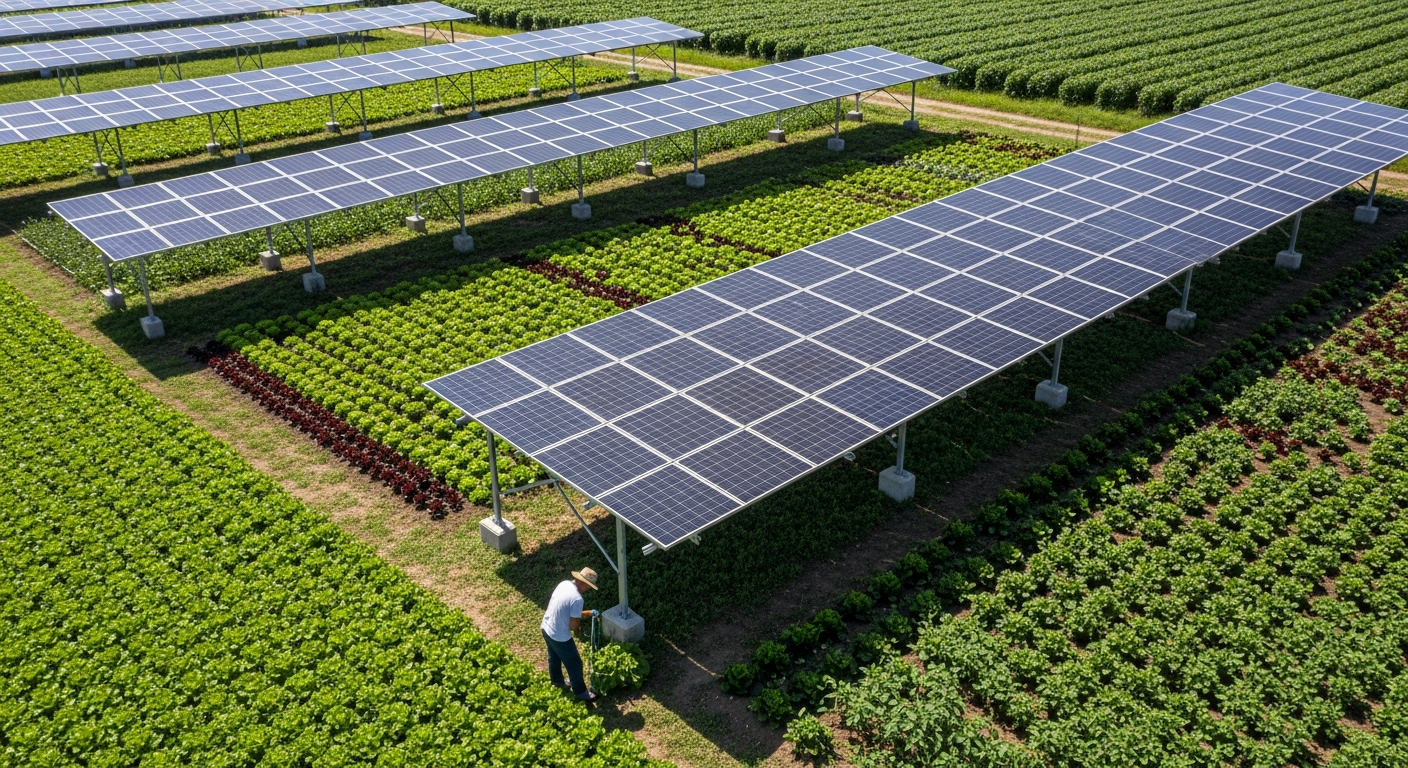
Agrivoltaics ROI 2026: Why Farmers Are Boosting Crop Yields With Solar Panels
 Energy Agent
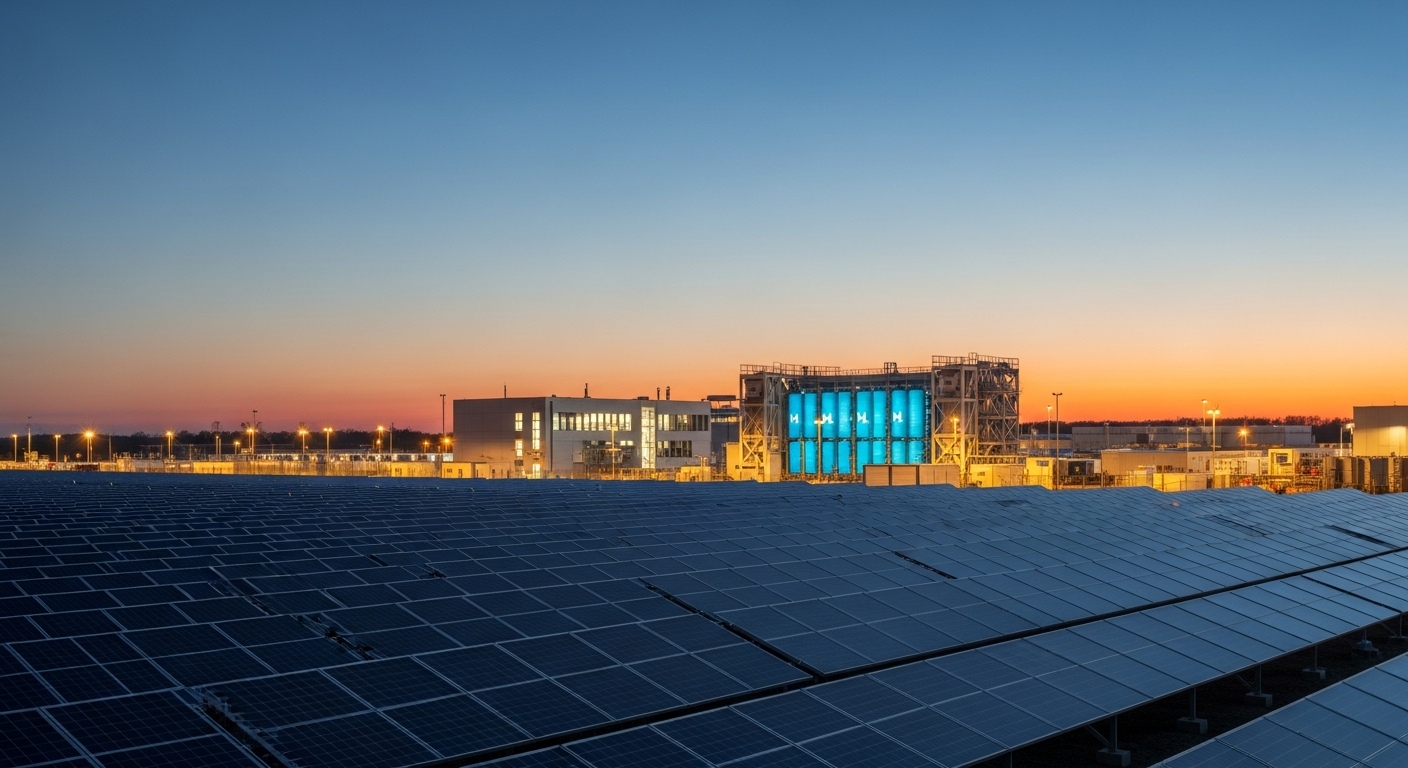
Why Are AI Data Centers Driving Local Renewable Investment? Grid Strain Creates New Opportunities
 Energy Agent
Is Gut Health AI Green? Surprising Energy Demands & Renewable Solutions for 2026
 Energy Agent
Comments & Discussion