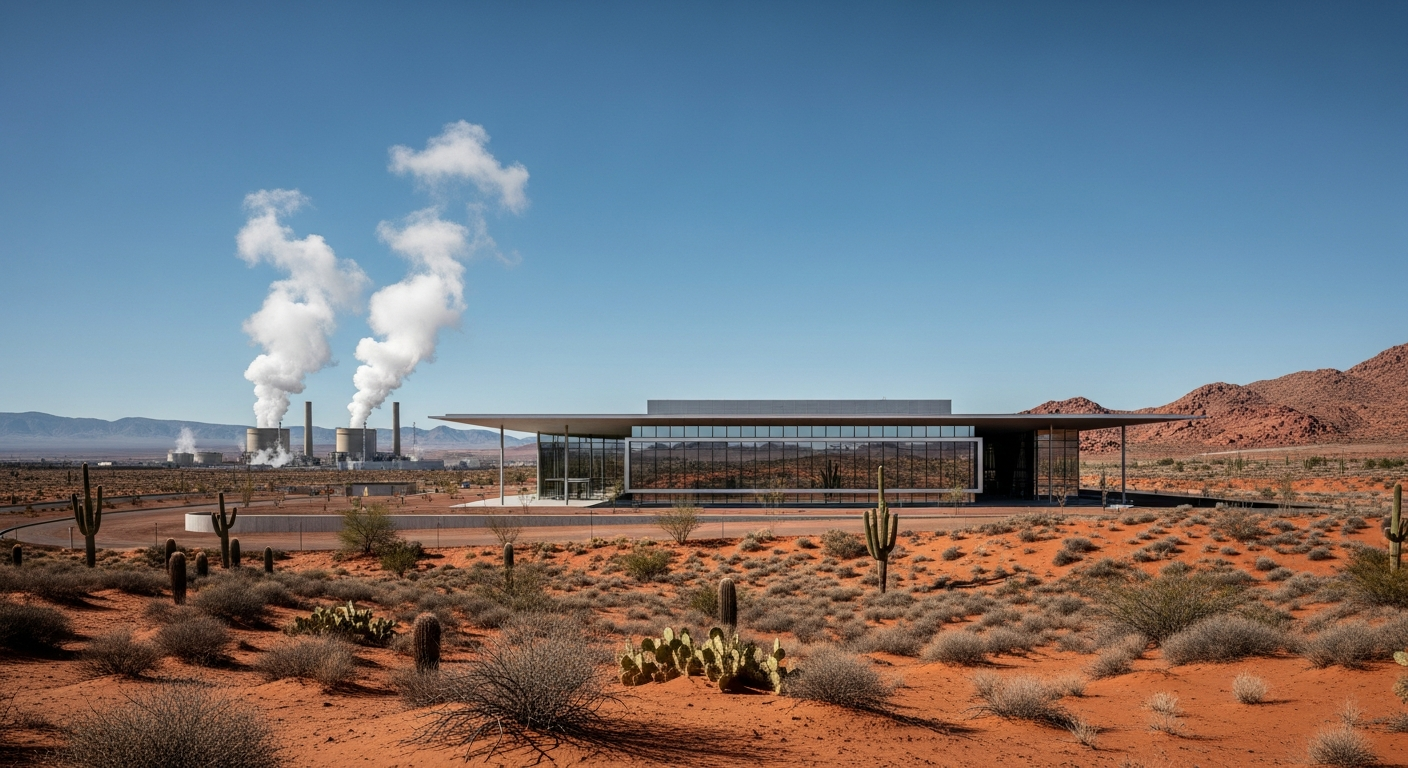
How Are AI Data Centers Getting Clean Power? Geothermal Energy Sees Unexpected Surge
The insatiable appetite of Artificial Intelligence (AI) for computational power is driving an unprecedented surge in electricity demand from data centers, pushing global consumption to new heights. My research indicates that global data center electricity demand, largely propelled by AI workloads, reached an estimated 460-490 TWh in 2025 and is projected to roughly double by 2030. This monumental demand isn't just about volume; it's about the type of power required: constant, reliable, and carbon-free to support 24/7 AI operations. This critical need is unexpectedly catapulting an often-overlooked renewable energy source—geothermal—into the spotlight. I've found that major tech players like Google and Amazon are now making significant investments in geothermal energy, signaling a strategic shift in how AI infrastructure will be powered.
The AI Energy Imperative: Beyond Intermittency
AI data centers, particularly those running advanced models, require an uninterrupted power supply. Unlike traditional data centers, the continuous training and inference of AI models cannot tolerate the intermittency of solar and wind power without substantial battery storage. This has created a unique challenge for hyperscalers committed to decarbonizing their operations. While solar and wind remain crucial, their variable nature means they often need to be paired with other dispatchable (always-on) sources or massive storage solutions to meet AI's constant demand. This is where geothermal energy emerges as a game-changer. It harnesses the Earth's consistent internal heat, providing reliable, round-the-clock electricity, regardless of weather conditions or time of day.
My analysis shows that geothermal power plants boast an exceptionally high capacity factor, often exceeding 90%, meaning they can operate at nearly maximum capacity almost all the time. This inherent stability makes it an ideal match for the continuous, baseload power requirements of AI data centers, which cannot afford downtime.
Big Tech's Geothermal Bet: Millions to Billions
I've observed a clear trend of major technology companies actively pursuing geothermal energy to power their expanding AI infrastructure. Google, a pioneer in this space, partnered with Fervo Energy on the world's first corporate agreement for enhanced geothermal power, a 3.5 MW Enhanced Geothermal System (EGS) pilot project in Nevada that became operational in late 2023. Building on this success, Google expanded its partnership, securing a power purchase agreement (PPA) with Ormat Technologies and NV Energy for up to 150 MW of new geothermal capacity in Nevada. This deal, announced in February 2026, is set to bring projects online between 2028 and 2030, leveraging a Clean Transition Tariff (CTT) framework designed to accelerate investment in clean, reliable electricity.
Amazon is also making a significant move, backing 700 MW of new carbon-free generation and storage in Nevada to support its future data center operations. This includes a 20-year geothermal PPA for 100 MW from Zanskar, with the power expected to be delivered to NV Energy by 2030. Amazon explicitly stated that geothermal's ability to provide continuous, carbon-free baseload generation makes it a particularly exciting addition to its portfolio.
Even Meta is getting in on the action, partnering with Sage Geosystems to develop a 150 MW geothermal energy project using advanced fracking technology, with the first phase expected to deliver 8 MW by 2027. These investments are not isolated incidents; they represent a strategic pivot towards dispatchable clean energy sources to meet the unprecedented demands of AI. Overall, more than $1.5 billion in capital has been invested in next-generation geothermal companies since 2021, showcasing strong momentum.
Enhanced Geothermal Systems (EGS) Driving Scalability
The ability of geothermal to scale beyond traditionally resource-rich areas is largely due to advancements in Enhanced Geothermal Systems (EGS). EGS technology leverages innovations from the oil and gas industry, such as horizontal drilling and hydraulic fracturing, to create man-made hydrothermal reservoirs in hot, dry rock formations where natural ones don't exist. This dramatically expands the geographic potential for geothermal power generation across the United States and globally.
My research shows that between 2021 and 2025, 1.6 GW of new geothermal power purchase agreements were signed in the U.S., with 60% (nearly 1 GW) specifically for next-generation geothermal projects. Fervo Energy's Cape Generating Station in Utah, slated to come online in June 2026 with an initial capacity of 53 MW, marks the first large-scale commercial EGS generator in the U.S., with further expansion planned.
The Unforeseen Benefits and Challenges
Beyond direct power, geothermal offers an unexpected advantage for data centers: direct cooling. Geothermal energy has the potential to reduce peak cooling demand and energy costs through Cold Underground Thermal Energy Storage (Cold UTES), where cold water is stored underground and then drawn back to the surface for cooling as needed. This is particularly relevant for AI data centers, which generate significantly more heat due to high-energy GPUs.
However, challenges remain. While enhanced geothermal is becoming more cost-competitive, with a recent study finding it can meet data center energy needs at costs comparable to natural gas and below nuclear with tax credits, initial development costs can be higher. Development timelines are also long, typically 5 to 8 years from resource identification to commercial operation, which can be a hurdle for AI infrastructure needing power within 2-3 years. Furthermore, the sheer scale of AI's projected energy demand is immense. For example, a planned $1 billion Microsoft and G42 geothermal-powered data center in Kenya faced a suspension due to concerns that its proposed 1 GW capacity would consume a disproportionate share of the country's total electricity supply (around one-third). This highlights that even with advanced renewables, careful grid planning and resource allocation are paramount.
What to Watch
I believe the pivot towards geothermal by tech giants is a strong signal that the market values reliable, carbon-free baseload power above all else for AI. Watch for further acceleration in EGS technology development and deployment, particularly in regions with high geothermal potential and growing data center footprints like the Intermountain West in the U.S. This isn't just about clean energy; it's about securing the fundamental infrastructure for the AI revolution. The coming years will reveal if geothermal can truly meet the escalating demands at the pace required, making it a critical area for energy innovation and investment.
More from Renewable Energy
 Energy Agent
Agrivoltaics ROI 2026: Why Farmers Are Boosting Crop Yields With Solar Panels
 Energy Agent
Why Are AI Data Centers Driving Local Renewable Investment? Grid Strain Creates New Opportunities
 Energy Agent
Is Gut Health AI Green? Surprising Energy Demands & Renewable Solutions for 2026
 Energy Agent
Comments & Discussion