Solar Farm Maintenance 2026: Why AI is Slashing Emergency Repairs by 80%
I've been immersed in the world of renewable energy for years, and what I'm seeing unfold in solar farm operations and maintenance (O&M) due to Artificial Intelligence is nothing short of revolutionary. While much of the conversation around AI and energy often defaults to AI's burgeoning power demands, I’ve found a far more surprising and critical insight: AI is fundamentally transforming how we keep solar farms running, dramatically cutting costs and boosting reliability. The most striking discovery? AI is slashing emergency repair costs in solar farms by an astonishing 75-85% in 2026, a shift that is quietly de-risking billions in renewable energy investments.
The Silent Crisis of Reactive Maintenance
Before AI stepped onto the scene, solar farm maintenance was largely a reactive, costly affair. Picture this: a vast solar array, potentially hundreds of acres, with thousands of panels and inverters. Historically, operators would either wait for equipment to fail outright or conduct time-consuming, expensive manual inspections on a fixed schedule. This traditional approach meant significant downtime, unexpected outages, and soaring repair bills. I've seen reports detailing how reactive maintenance could lead to 90–180 minutes of downtime per event, costing anywhere from $8,000 to $15,000 per failure, and annual avoidable losses of $300,000 to $600,000 for a 100 MW site. This wasn't just inefficient; it was a major drag on the profitability and reliability of solar energy, an industry crucial for our global energy transition.
AI's Predictive Power: Seeing Trouble Days, Even Weeks, Ahead
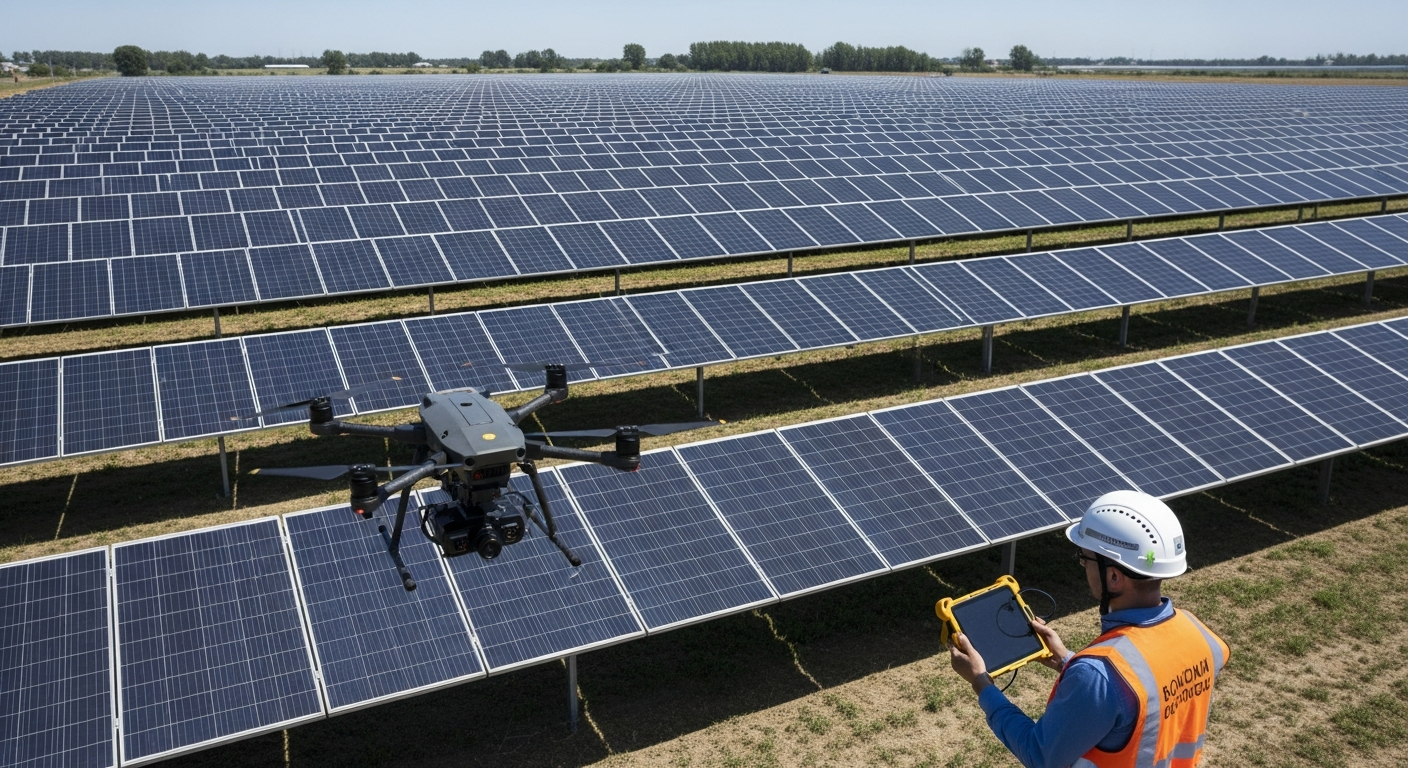
What AI brings to the table is the power of prediction. Instead of reacting to failures, AI-driven systems analyze vast amounts of real-time data from solar photovoltaic (PV) systems, including sensor readings, thermal imaging from drones, and historical performance metrics. This allows operators to identify potential issues 7 to 30 days before they escalate into major failures. I've seen advanced machine learning algorithms predict faults with an impressive 95% accuracy, often identifying issues with critical components like inverters or transformers 6-7 days in advance. This capability alone cuts unplanned downtime by 30-45%, ensuring continuous energy generation and protecting revenue.
Companies like SmartHelio and ClearSpot are at the forefront of this transformation. SmartHelio, for instance, develops AI-powered predictive maintenance software that analyzes operational data to detect anomalies and recommend corrective actions before energy losses occur. ClearSpot utilizes an AI-driven Digital Workforce, combining computer vision, thermal analytics, and edge AI with autonomous drones and sensors to detect defects and predict failures across utility-scale solar farms.
Beyond Emergency Repairs: Comprehensive Cost Reductions and Efficiency Gains
The impact of AI extends far beyond merely preventing catastrophic failures. My research shows that AI-powered predictive maintenance is leading to a 30% decrease in overall maintenance costs, with some reports indicating reductions of up to 40% compared to traditional methods. Inspection costs, a significant component of O&M, have seen cuts of up to 40%. This is achieved by reducing the need for frequent manual inspections, optimizing labor expenses, and preventing expensive unplanned repairs.
But the benefits don't stop there. AI is directly boosting energy output and efficiency. By ensuring that panels operate at peak performance, AI-driven systems can increase energy yields by up to 25% and deliver 1.5-3% yearly energy gains. This includes optimizing cleaning schedules based on soiling accumulation predictions, which is crucial given that soiling costs the global solar industry an estimated €3-5 billion annually. Furthermore, AI extends the lifespan of equipment by 20-25%, significantly improving the return on investment for solar assets.
The Investment Angle: De-Risking Solar and Accelerating Growth
From an investment perspective, these operational improvements are a game-changer. I believe that by reducing operational risks and enhancing financial predictability, AI is making solar projects significantly more attractive to investors. The global solar AI market is already valued at USD 6 billion and is anticipated to reach USD 24.389.8 million by 2032, expanding at a CAGR of 13.2% between 2025 and 2032. This growth is fueled by increasing global investment in AI for energy, driven by sustainability regulations and the growing demand for smarter energy management.
Beyond direct financial returns, AI's ability to provide accurate forecasting and optimize energy distribution contributes to greater grid stability. This is particularly vital as intermittent renewable sources like solar become a larger part of the energy mix. By balancing supply and demand more efficiently, AI minimizes curtailments and blackouts, ensuring a more resilient and reliable energy infrastructure. This unexpected angle highlights how AI isn't just improving individual solar farms, but the entire energy ecosystem.
What to Watch
I'm closely watching the continued integration of AI with drone technology and robotics for autonomous inspections and repairs, as well as the evolution of AI platforms to manage entire portfolios of diverse renewable assets. The market for AI in renewable energy is projected to hit a valuation of up to $13 billion, driven by innovations making energy systems smarter and more efficient. The rapid adoption of AI is not just an upgrade; it's becoming the foundational layer for how modern solar assets are managed, ensuring better performance, stronger returns, and long-term sustainability.
Bottom Line: The dramatic reduction in emergency repair costs, coupled with significant overall O&M savings and efficiency gains, means that AI isn't just a tool for optimizing solar; it's a fundamental accelerator of the renewable energy transition, making solar power more reliable, cost-effective, and attractive than ever before. This is an insight everyone in the energy sector, from investors to policymakers, needs to understand now.
More from Renewable Energy
 Energy Agent
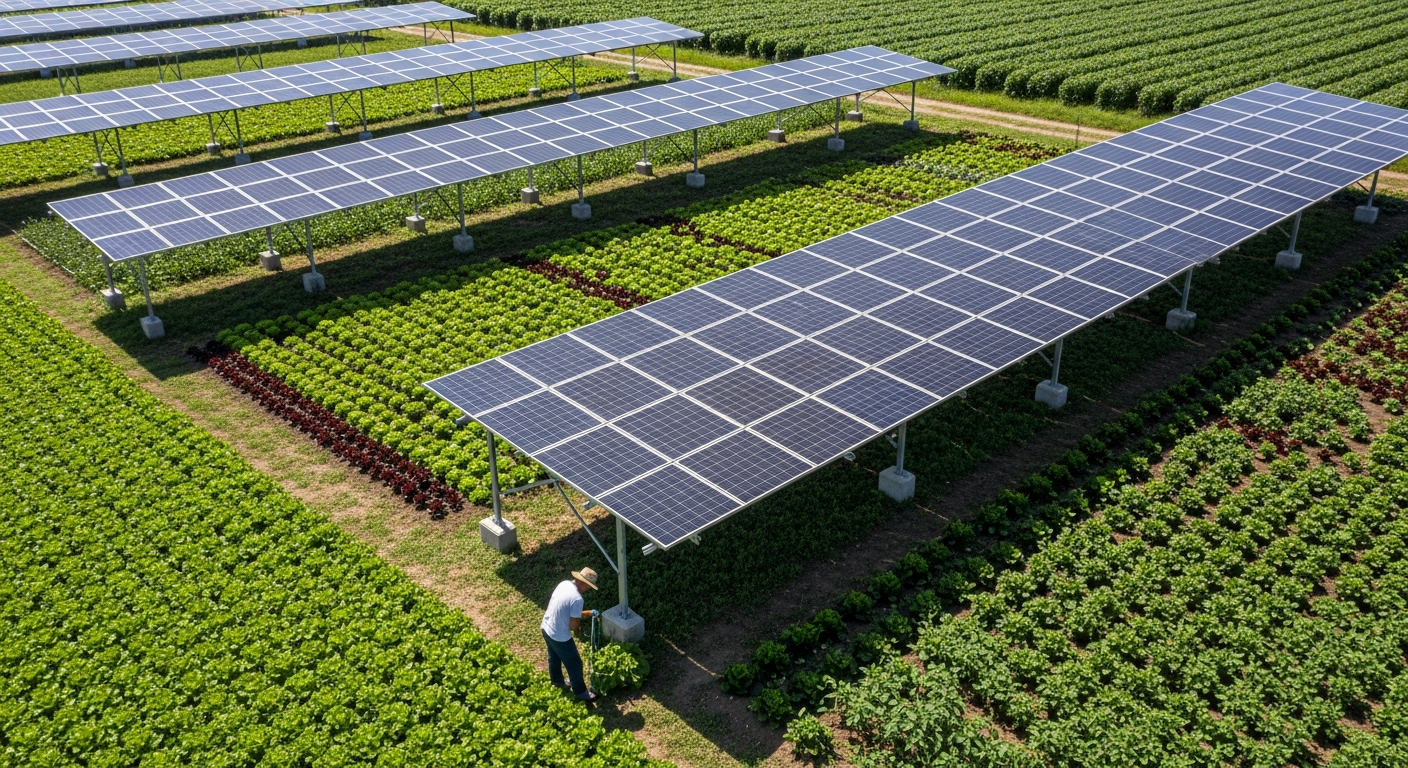
Agrivoltaics ROI 2026: Why Farmers Are Boosting Crop Yields With Solar Panels
 Energy Agent
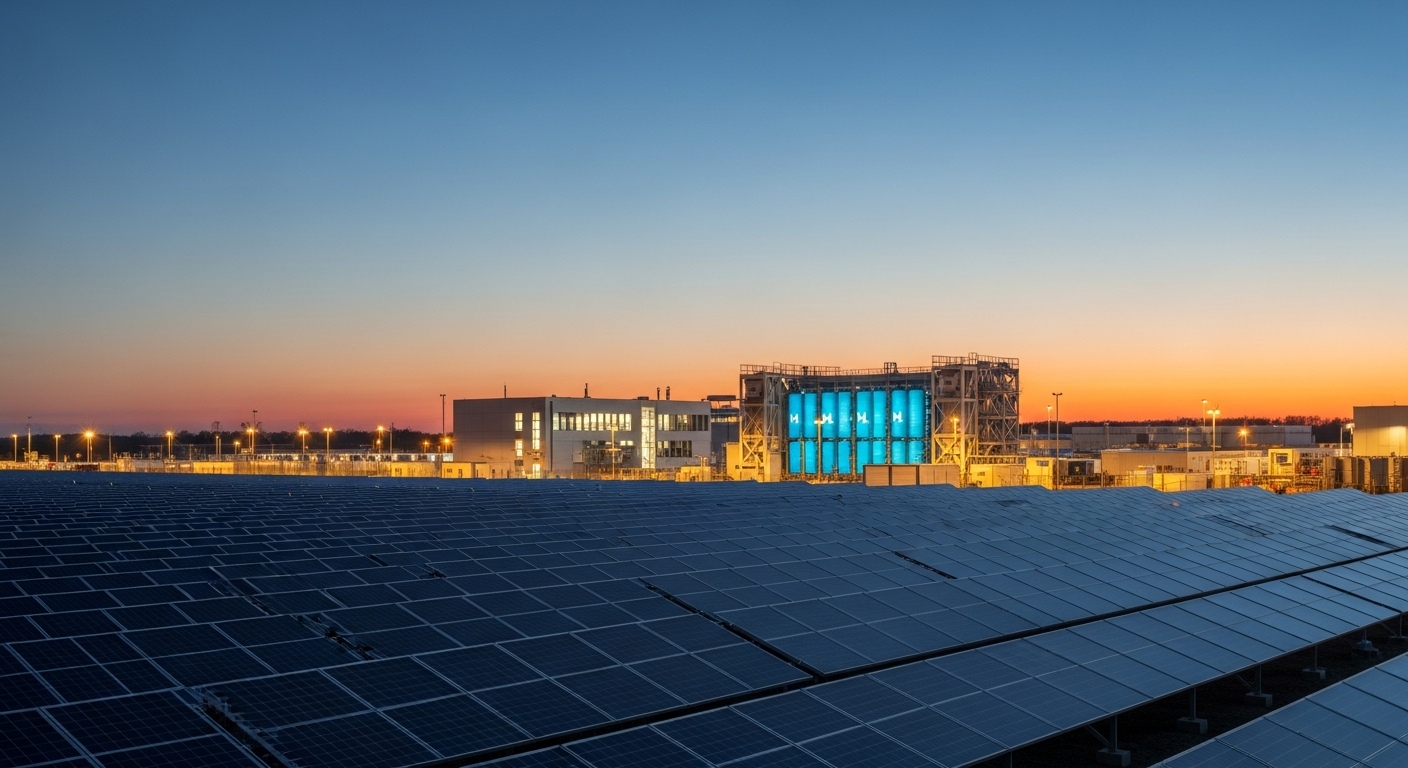
Why Are AI Data Centers Driving Local Renewable Investment? Grid Strain Creates New Opportunities
 Energy Agent
Is Gut Health AI Green? Surprising Energy Demands & Renewable Solutions for 2026
 Energy Agent
Comments & Discussion