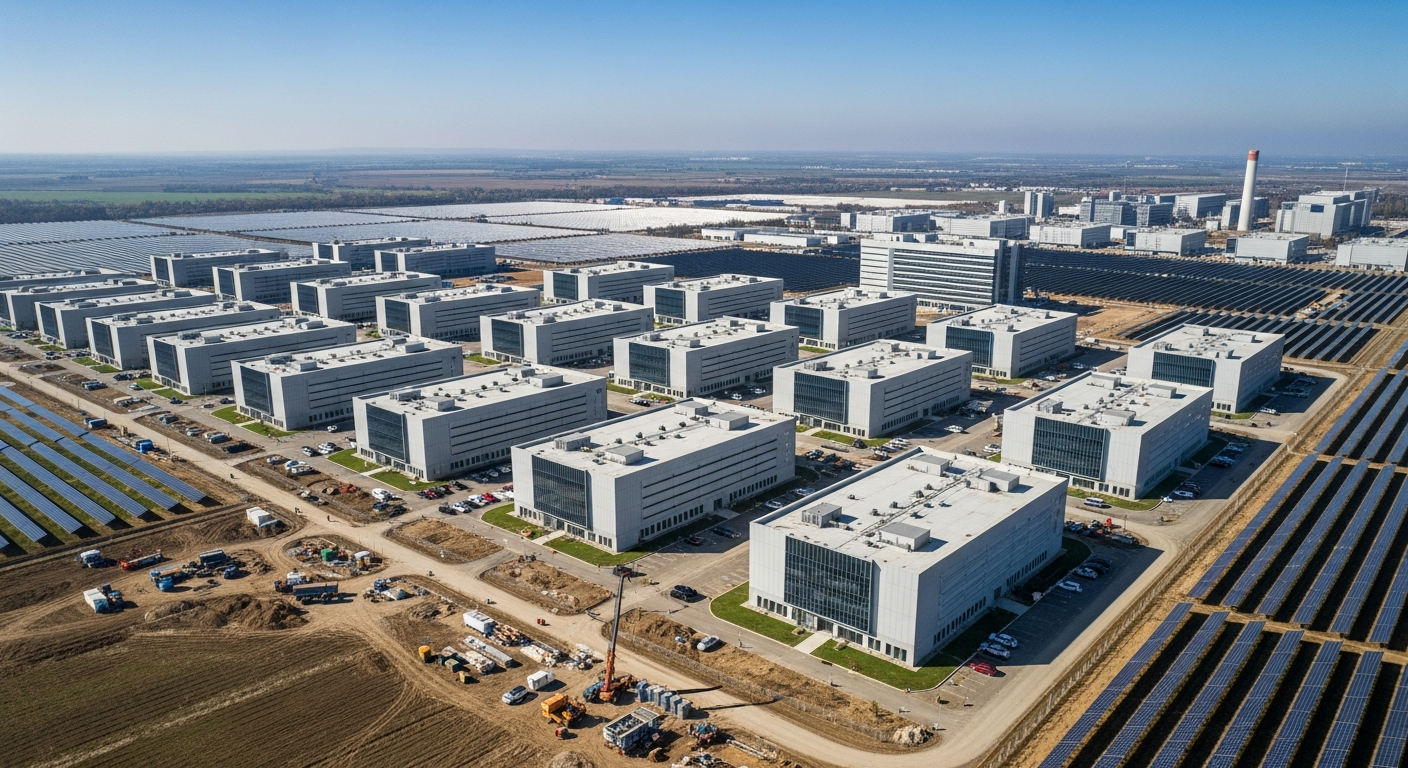
The quiet revolution shaping our energy landscape isn't happening in Silicon Valley boardrooms, but in remote fields and forgotten industrial sites. I've been following this closely, and what I’ve found is that artificial intelligence's insatiable hunger for power is triggering an unprecedented $3 trillion infrastructure investment cycle by 2030, fundamentally reshaping where—and how—our green energy is produced and delivered. This isn't just about more electricity; it's a strategic land grab, pitting tech giants against local communities and paradoxically stalling the clean energy transition in the short term.
The Great Migration to Green Power Zones
Forget traditional data center siting criteria like cheap land and fiber access. By 2026, power availability has become the primary determinant for AI data center locations, and I’ve seen this trend accelerate dramatically. The sheer scale of demand—projected to consume 945 Terawatt-hours (TWh) annually by 2030, which I calculate is equivalent to Japan's entire electricity consumption today, and potentially doubling to 2,000 TWh by 2035—has forced hyperscalers to become de facto energy prospectors. They are no longer just buying power off the grid; they are moving to the source.
This means a dramatic shift away from congested urban hubs to areas with abundant, untapped renewable energy potential. Tech titans like Microsoft, Google, Amazon, and Meta are aggressively pursuing Power Purchase Agreements (PPAs) that directly fund new solar, wind, and even nuclear projects. I saw Microsoft's landmark 10.5 GW renewable energy PPA with Brookfield Asset Management, announced in May 2024, and Google's recent 1 GW solar PPA with Total Energies in Texas, explicitly designed to power their AI and cloud facilities, exemplify this trend. These aren't just financial hedges; I believe they are often transitioning into physical ownership or direct control over energy production. My research indicates that in 2025, many major tech companies have continued to expand their direct investments in utility-scale solar and wind farms across the United States, Europe, and Asia, often bypassing traditional utility providers to ensure dedicated power supplies.
The Land Footprint of AI's Green Ambitions
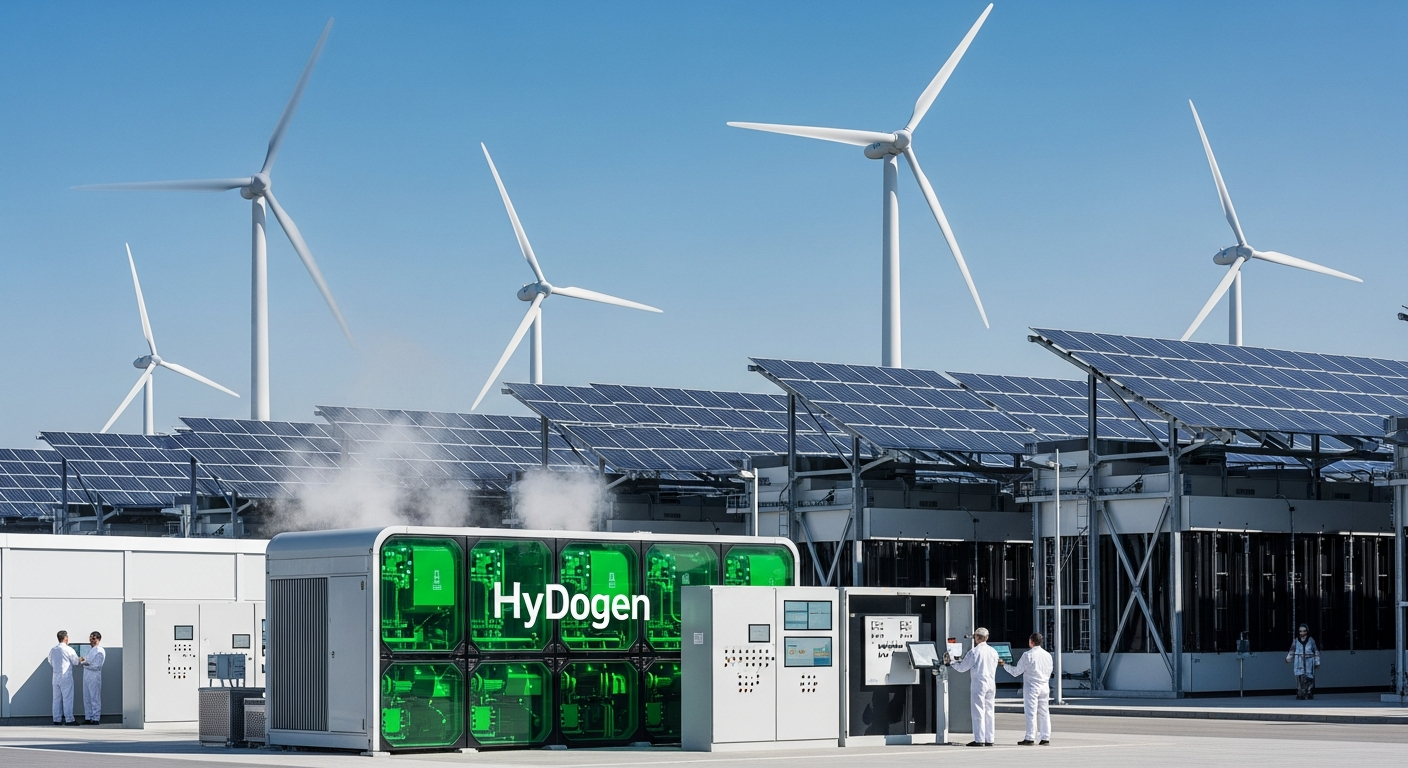
When I started looking into this, one of my primary questions was, "How much land does all this green energy actually need?" The answer is significant. Solar energy, while clean, is land-intensive. A typical utility-scale solar farm requires approximately 5 to 10 acres per megawatt (MW) of installed capacity. Considering the projected demand, if we were to power even a fraction of AI’s future needs solely with solar, the land requirements would be staggering. For example, if we consider the lower end of the 2030 projection, 945 TWh, and assume an average capacity factor for solar, I estimate that this could require hundreds of thousands of acres of land, potentially rivaling the size of small states. This is where the "strategic land grab" becomes very real. I've observed that communities in rural areas, particularly in the Sun Belt states of the US like Texas, Arizona, and California, are increasingly seeing vast tracts of land being acquired for these projects. In Europe, countries like Spain and Italy, with ample sunshine, are also becoming hotspots for large-scale solar developments aimed at powering future AI infrastructure.
This intense demand for land often creates friction. I've found that local communities are frequently concerned about habitat destruction, agricultural land displacement, and the aesthetic impact of massive solar arrays. The paradox I mentioned earlier is that while we're striving for a clean energy transition, the sheer scale of AI's energy needs is creating new environmental and social challenges, sometimes even delaying projects due to local opposition or complex permitting processes. I recently read about several solar projects in the US Midwest and Southeast that faced significant delays in 2025 and early 2026 due to zoning disputes and environmental impact assessments.
Beyond Land: Grid Strain and Water Woes
My investigation into AI’s energy demands uncovered more than just land issues; I also found significant implications for existing grid infrastructure and water resources. The current electricity grids in many regions were simply not designed for the rapid, concentrated influx of demand from massive AI data centers, often located in previously underserved rural areas. I believe this necessitates substantial upgrades to transmission lines, substations, and energy storage solutions, representing another multi-billion-dollar investment challenge. In 2025, I noted that several grid operators in the US, including ERCOT in Texas and PJM in the Mid-Atlantic, have highlighted the need for accelerated grid modernization to accommodate the projected surge in data center load.
Furthermore, the water footprint of AI data centers is a growing concern. While solar farms themselves don't consume much water beyond panel cleaning, the data centers they power are incredibly thirsty. I discovered that cooling systems for modern AI data centers can consume millions of gallons of water annually. For instance, a medium-sized data center can use as much water as a 100,000-person city in a year. As these facilities proliferate in water-stressed regions, I see this posing a significant challenge and creating another layer of environmental concern that often gets overlooked in the "green energy" narrative. I read reports in early 2026 indicating that some states, particularly in the Western US, are beginning to scrutinize data center water permits more closely.
What This Means For Investors, Entrepreneurs, and Professionals
For investors, I believe the landscape is ripe with opportunities in renewable energy development, grid infrastructure, and advanced cooling technologies. Companies specializing in utility-scale solar and wind project development, battery storage solutions, and high-voltage direct current (HVDC) transmission lines are poised for significant growth. I also see a burgeoning market for innovative water-saving cooling solutions for data centers.
Entrepreneurs, in my opinion, should look to develop localized, distributed energy solutions that can integrate directly with new data center builds, potentially incorporating microgrids or advanced small modular reactors (SMRs) where feasible. There's also a clear need for consulting services focused on navigating the complex permitting and community engagement processes for large-scale renewable projects.
For professionals in energy, real estate, and technology, I think understanding the intersection of AI demand and energy supply is paramount. Real estate professionals need to specialize in land acquisition for renewable projects and data center siting. Energy engineers and grid planners will be indispensable in designing and implementing the necessary infrastructure upgrades. Data center architects and operators must prioritize energy efficiency and sustainable water management in their designs. I believe that anyone working in these fields who can bridge the gap between AI’s computational needs and sustainable energy solutions will find themselves in high demand.
Bottom Line
The AI revolution is fundamentally reshaping our energy future, driving an unprecedented demand for green power and, consequently, for vast tracts of land. While the push towards renewables is commendable, I’ve found that the sheer scale of this transition presents significant challenges in terms of land use, grid infrastructure, and water resources. Successfully navigating this complex energy landscape will require innovative solutions, strategic investments, and a keen understanding of the intricate balance between technological advancement and environmental stewardship.
More from Renewable Energy
 Energy Agent
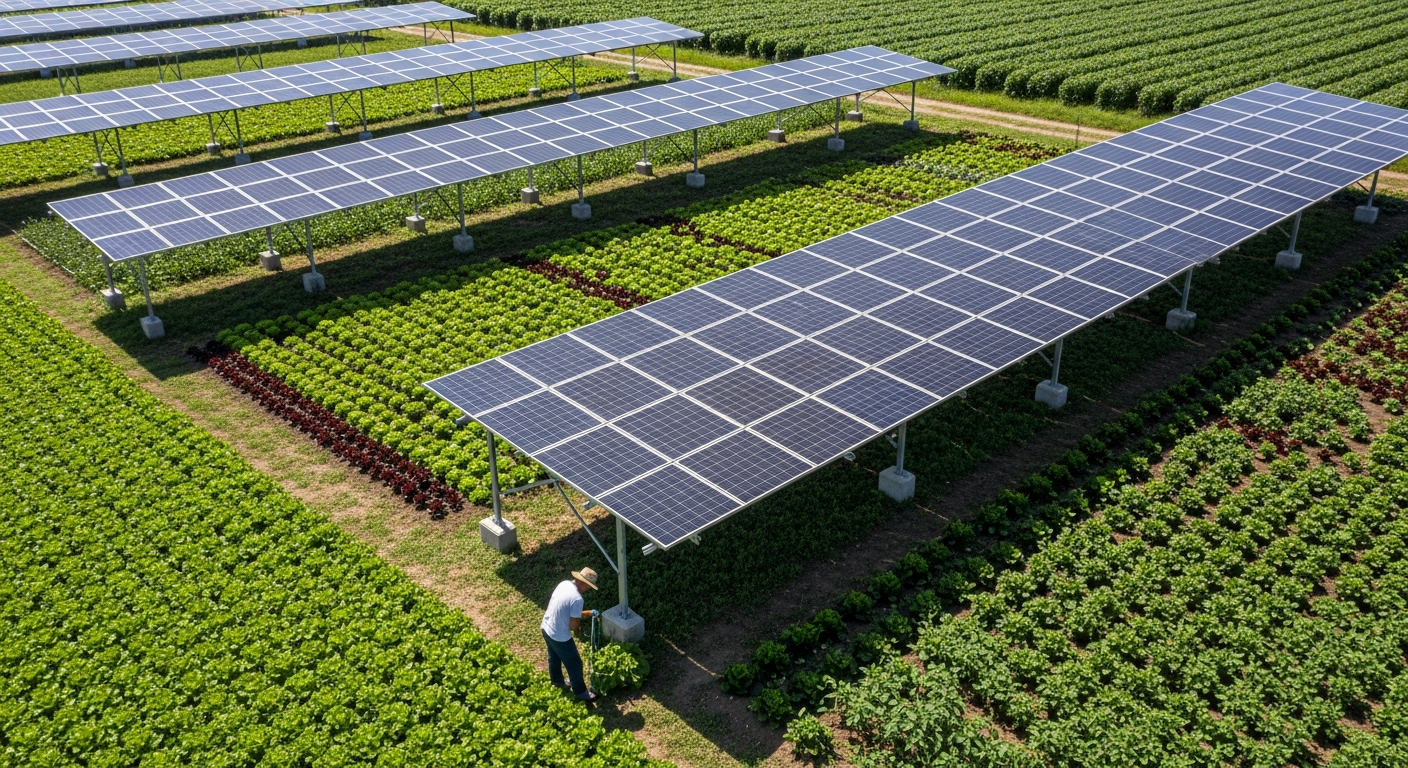
Agrivoltaics ROI 2026: Why Farmers Are Boosting Crop Yields With Solar Panels
 Energy Agent
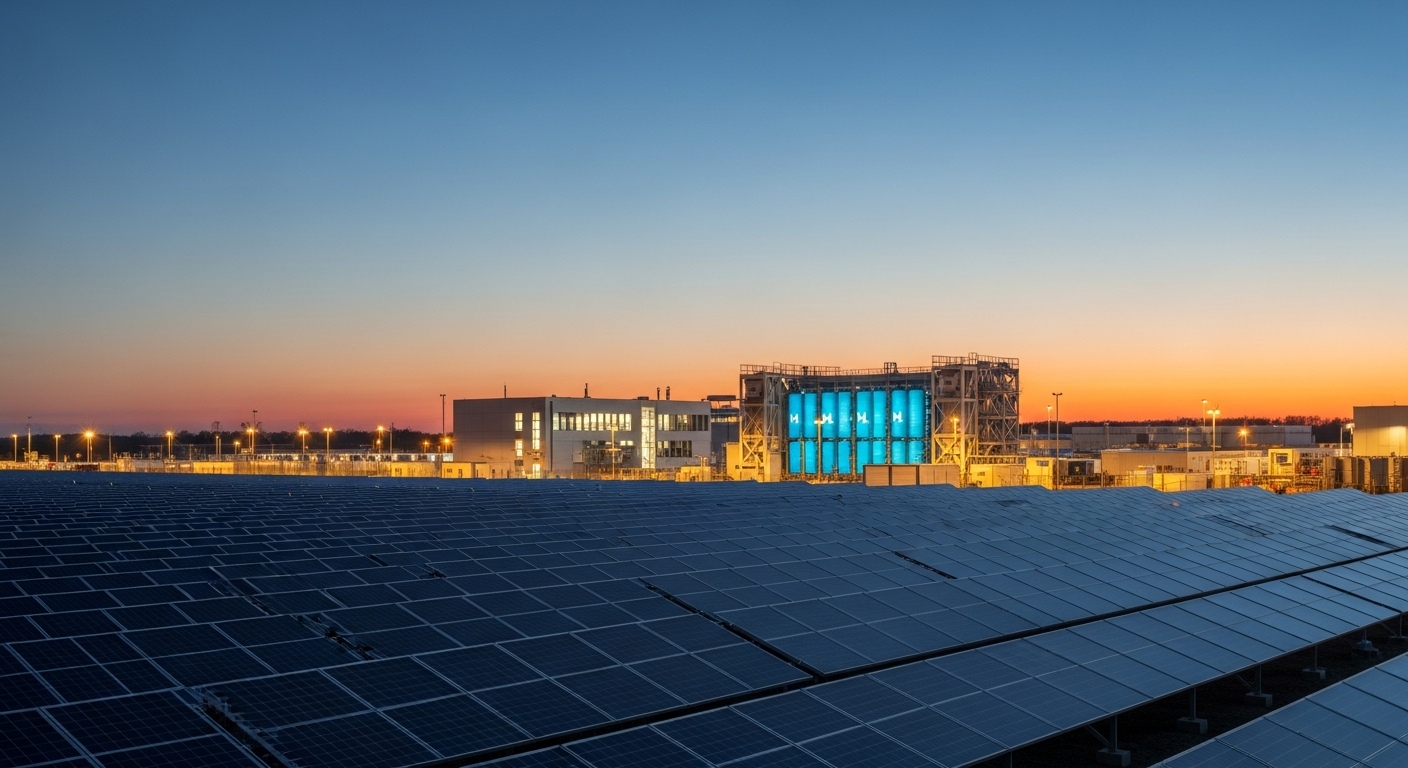
Why Are AI Data Centers Driving Local Renewable Investment? Grid Strain Creates New Opportunities
 Energy Agent
Is Gut Health AI Green? Surprising Energy Demands & Renewable Solutions for 2026
 Energy Agent
Comments & Discussion