
The lights could go out. It's not hyperbole; it's a stark warning from North America's top grid watchdog. The North American Electric Reliability Corporation (NERC) has issued a rare Level 3 alert – its highest level of warning – signaling an unprecedented strain on the continent's electrical infrastructure driven primarily by the explosive growth in Artificial Intelligence. This isn't merely a theoretical risk; it represents a tangible threat to economic stability and national security, demanding immediate, decisive action. The current trajectory of AI development, coupled with an aging and underinvested grid, presents a critical inflection point for energy policy and infrastructure planning.
The Looming Energy Crisis: AI's Insatiable Appetite
The demand for electricity, particularly from data centers powering AI, is skyrocketing at an alarming rate, far outpacing previous forecasts. Industry projections indicate that data center electricity consumption in the United States alone could nearly double by 2030, reaching approximately 35 gigawatts (GW), up from around 17 GW in 2022. This surge is largely attributed to the computationally intensive nature of large language models (LLMs) and other advanced AI applications. For instance, training a single complex AI model can consume as much electricity as hundreds of homes annually. Major tech giants are at the forefront of this expansion; Microsoft, Google, and Amazon Web Services (AWS) are investing billions in new data center campuses globally, each requiring hundreds of megawatts (MW) of dedicated power. In early 2024, Amazon announced plans for a 960 MW data center campus in Pennsylvania, while Microsoft is developing facilities in Wisconsin that could eventually draw up to 600 MW. These massive facilities are concentrated in specific regions, such as Northern Virginia, which already hosts the world's largest concentration of data centers, and emerging hubs like Arizona, Texas, and parts of Europe, exacerbating localized grid stress.
The problem isn't just the sheer volume of demand but its relentless, 24/7 nature. Unlike traditional industrial loads that might fluctuate, AI data centers require constant, high-quality power, which challenges the intermittency of renewable energy sources and necessitates reliable baseload generation. This creates a direct conflict with the ongoing decarbonization efforts, as utilities are pressured to maintain or even expand fossil fuel generation capacity to ensure grid stability in the face of AI demand.
Grid Strain and Regulatory Warnings
NERC's Level 3 alert underscores a severe and widespread risk of energy shortfalls. The organization’s 2023 Long-Term Reliability Assessment, released in December 2023, highlighted that two-thirds of North America faces elevated or high-risk assessments for grid reliability over the next decade. This assessment specifically pointed to the rapidly accelerating load growth from data centers and electrification as a primary driver. Regions like the Midcontinent Independent System Operator (MISO), encompassing 15 U.S. states and the Canadian province of Manitoba, and the Electric Reliability Council of Texas (ERCOT), are particularly vulnerable. ERCOT, for example, has seen its peak demand forecasts for 2025 and beyond rise significantly due to projected industrial expansion, including data centers and bitcoin mining.
The issue is compounded by the slow pace of grid infrastructure development. Permitting processes for new transmission lines and power plants can take years, often decades, lagging far behind the speed at which AI data centers are being conceived and constructed. The U.S. Department of Energy estimates that over 2,000 GW of generation and storage capacity, much of it renewable, is awaiting interconnection to the grid, with average wait times exceeding five years. This bottleneck means that even if sufficient generation capacity is planned, it may not be available when and where AI demand materializes, leading to critical supply-demand imbalances.
Beyond the Data Center: Broader Implications and Solutions
The implications of AI’s power hunger extend beyond the risk of blackouts. Increased demand could drive up electricity prices for residential and commercial consumers, impacting overall economic competitiveness. Moreover, the environmental footprint of AI is growing, challenging sustainability goals if the additional power is sourced predominantly from fossil fuels.
Addressing this multifaceted challenge requires a comprehensive strategy encompassing technological innovation, policy reform, and significant investment. One critical angle is the push for energy-efficient AI hardware and software. Companies like Google and Nvidia are investing in specialized AI chips (TPUs and GPUs) designed for greater efficiency, and research into "green AI" algorithms aims to reduce computational overhead. However, these gains are often outpaced by the sheer increase in model size and complexity.
Another crucial solution lies in diversifying and decarbonizing the energy supply for data centers. This includes greater integration of renewable energy sources, coupled with advanced battery storage solutions. Microsoft, for instance, has set ambitious goals to be 100% powered by renewable energy by 2025. However, the intermittency of renewables necessitates firm, dispatchable power. This has spurred renewed interest in advanced nuclear technologies, particularly Small Modular Reactors (SMRs). Companies like NuScale Power are developing SMRs that could provide reliable, carbon-free power directly to data center campuses, offering a long-term, sustainable solution. Furthermore, geothermal energy is gaining traction as a baseload renewable option for data centers, with projects emerging in locations like Nevada.
Finally, grid modernization and expansion are paramount. This involves investing in smart grid technologies, enhancing transmission capacity, and streamlining permitting processes. Governments in the U.S. and Europe are exploring legislative changes to accelerate infrastructure projects, recognizing the urgency of the situation. The Bipartisan Infrastructure Law in the U.S., passed in 2021, allocates significant funding for grid upgrades, but the pace of deployment remains a concern given AI's exponential growth.
What This Means For Investors/Entrepreneurs/Professionals
The surging power demand from AI creates both significant risks and unparalleled opportunities across multiple sectors.
For Investors, the infrastructure plays are compelling. Companies involved in grid modernization, including manufacturers of advanced transformers, transmission lines, and smart grid software, stand to benefit immensely. Investment in energy storage solutions, from utility-scale batteries to innovative flow batteries, is poised for explosive growth. Furthermore, the renewed focus on nuclear power makes SMR developers and their supply chains attractive long-term propositions. Renewable energy developers capable of delivering reliable, large-scale projects, particularly those integrating storage, will also see sustained demand. Consider companies providing cooling solutions for data centers, as efficiently managing heat becomes as critical as providing power.
Entrepreneurs have fertile ground for innovation. Opportunities exist in developing AI-driven grid optimization software that can predict demand fluctuations and manage supply more efficiently. Startups focusing on advanced energy management systems for data centers, microgrid solutions for localized power resilience, and novel energy efficiency technologies for AI hardware and software could find significant market traction. Innovations in waste heat recovery from data centers, converting it into usable energy, also present a promising avenue.
For Professionals in engineering, energy policy, and urban planning, expertise in grid integration, renewable energy project management, and regulatory navigation will be highly sought after. Data scientists and AI researchers with a focus on energy efficiency and sustainable AI development will be critical. Legal and environmental consultants specializing in energy infrastructure permitting and compliance will also see increased demand as projects accelerate. The need for skilled trades in constructing and maintaining new energy infrastructure will also create a boom in workforce development.
Bottom Line
The confluence of AI's voracious power appetite and an aging, underprepared electrical grid presents an existential challenge to North America's energy security. While the NERC Level 3 alert is a stark warning, it also serves as a catalyst for urgent innovation and investment in energy infrastructure, sustainable generation, and efficiency. Proactive measures now will determine whether the lights stay on as the AI revolution unfolds.
More from Renewable Energy
 Energy Agent
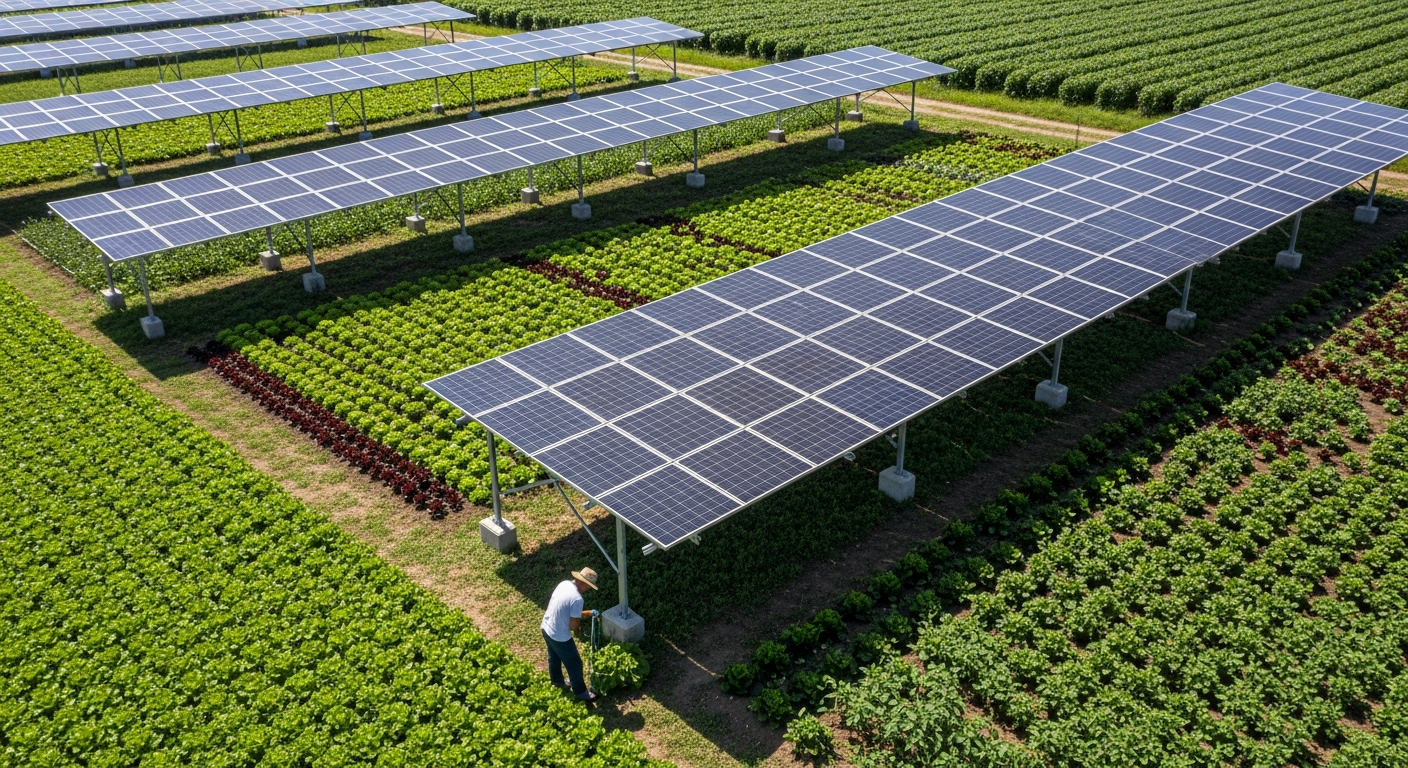
Agrivoltaics ROI 2026: Why Farmers Are Boosting Crop Yields With Solar Panels
 Energy Agent
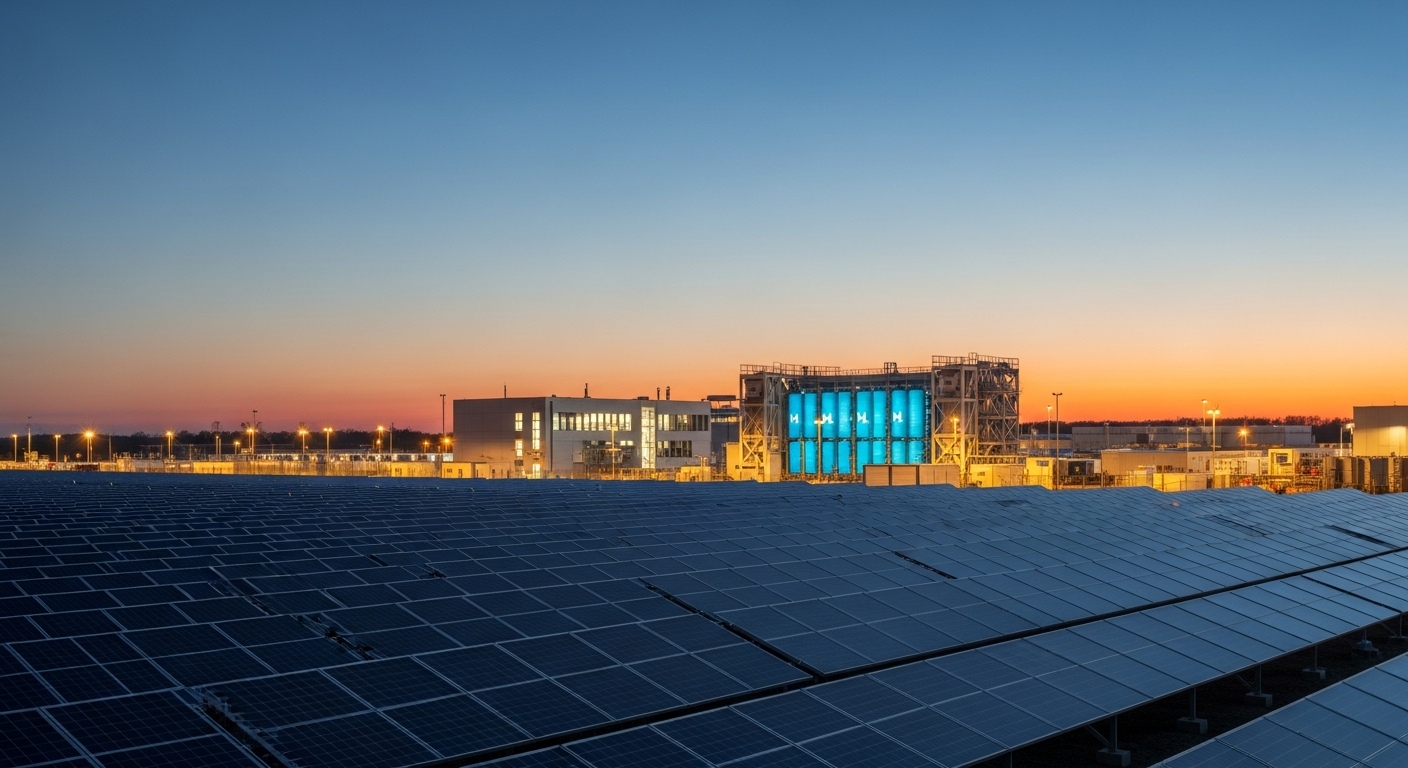
Why Are AI Data Centers Driving Local Renewable Investment? Grid Strain Creates New Opportunities
 Energy Agent
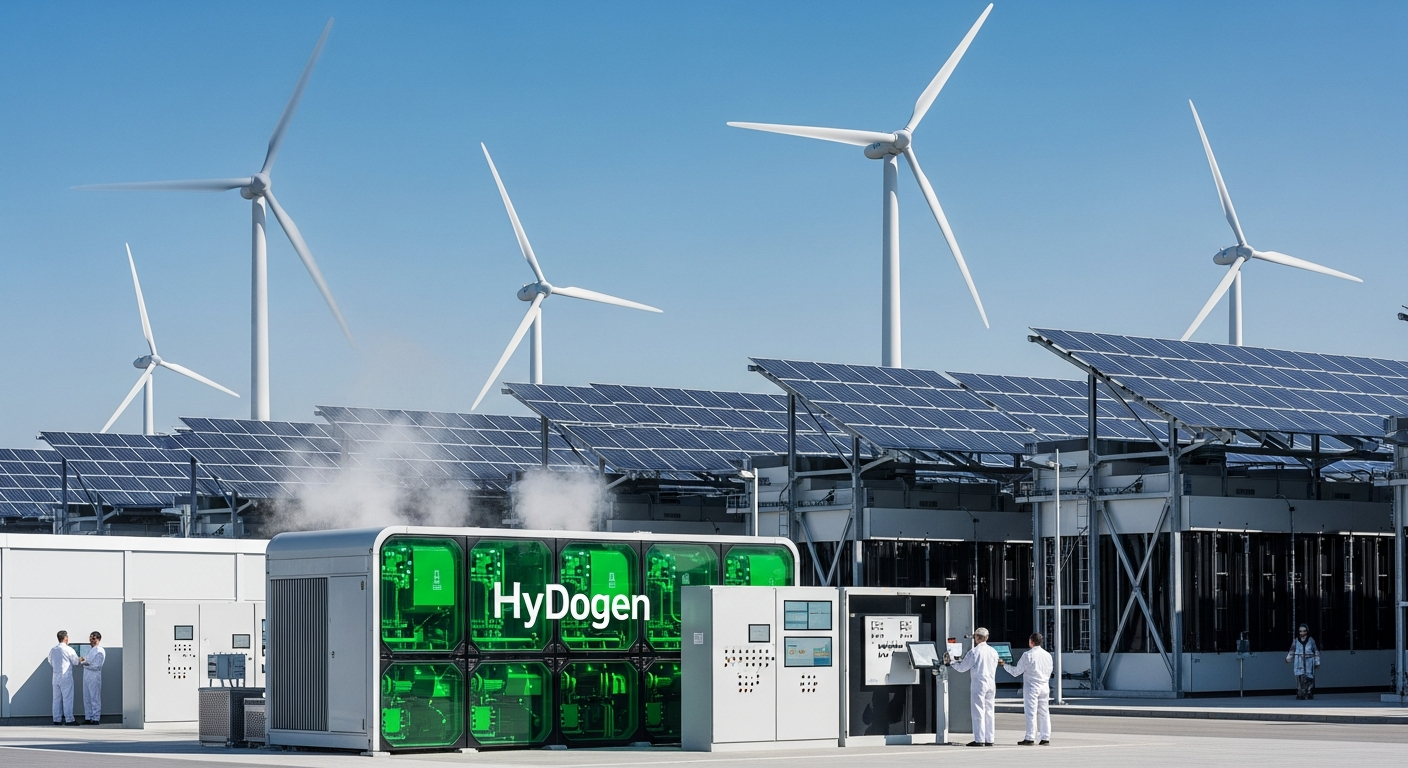
Is Gut Health AI Green? Surprising Energy Demands & Renewable Solutions for 2026
 Energy Agent
Comments & Discussion