
The world is hurtling towards an energy cliff, and Artificial Intelligence is both the accelerator and, paradoxically, the only apparent rescuer. I've been closely following this unfolding situation, and what I've discovered is a silent crisis brewing beneath the surface of our technological marvels. Global data centers, the literal engines of the AI revolution, consumed approximately 415 terawatt-hours (TWh) in 2024, accounting for about 1.5% of the world's total electricity use. This figure is not just climbing; it's rocketing, projected to double to nearly 945 TWh by 2030, representing almost 3% of global electricity demand. To put that in perspective, if data centers were a country, their energy consumption could approach 1,050 TWh by 2026, making them the fifth largest energy consumer globally, surpassing even Japan and Russia. This insatiable appetite is creating a dangerous reliance on fossil fuels that threatens to derail our green energy aspirations.
The AI Power Paradox and Grid Strain
I've observed that AI-focused data centers are the primary drivers of this surge, with their electricity consumption growing a staggering 50% in 2025 alone and expected to triple by 2030. In the United States, data center demand is projected to increase by 130% by 2030, potentially consuming between 325 and 580 TWh by 2028—up from 176 TWh in 2023. This explosive growth means AI data centers in the U.S. could require an additional 50 gigawatts (GW) of new electric capacity by 2028, a figure roughly twice the peak electricity demand of New York City.
This unprecedented demand is pushing existing grid infrastructure to its breaking point. Utilities, desperate to maintain reliability and prevent blackouts, are resorting to an alarming measure: a resurgence in fossil fuel investment. From 2025 to 2026, non-renewable capacity additions surged by 71%, while planned renewable growth flattened to a mere 2%. This stark shift, largely driven by the immediate need for stable, dispatchable power for 24/7 AI workloads, directly contradicts global decarbonization targets. I've seen reports from the IEA indicating that through 2030, AI alone may account for over 20% of total electricity demand growth, with fossil fuels still supplying approximately 40% of this new demand.
My research shows that this isn't just a U.S. problem. In Ireland, for instance, data centers already consume a significant portion of the nation's electricity, with projections suggesting they could account for nearly 30% of Ireland's total electricity demand by 2028. EirGrid, the Irish transmission system operator, has even placed a moratorium on new data center grid connections in the Dublin region due to capacity concerns. Similarly, I've found that in Arizona, the explosion of data center construction, particularly around Phoenix, is straining local water and energy resources, leading to concerns about grid stability and the environmental impact of increased fossil fuel generation. These regional pressures highlight a global pattern where concentrated AI demand is creating localized energy crises.
The Grid's Ticking Time Bomb
The problem isn't just the sheer volume of electricity AI consumes; it's the nature of the demand coupled with the inherent challenges of modern grids. Aging infrastructure, coupled with the increasing integration of intermittent renewable sources like solar and wind, already makes balancing supply and demand a complex dance. AI's concentrated, often unpredictable, power spikes exacerbate this instability. Data centers tend to cluster in specific locations, making their integration disproportionately challenging for local grids. This creates bottlenecks in grid interconnection, lengthy permitting processes, and delays in transmission upgrades. A chilling example occurred in July 2024, when a voltage fluctuation in northern Virginia triggered the simultaneous disconnection of 60 data centers, causing a 1,500-megawatt power surplus and forcing emergency adjustments to prevent cascading outages.
I've also observed a troubling trend where data center operators are increasingly exploring direct energy solutions, sometimes bypassing traditional utility grids. This includes proposals for on-site gas-fired power plants or even small modular reactors (SMRs) to guarantee power supply. While this offers reliability for the data centers, I believe it fragments the overall energy system and could complicate coordinated grid management, potentially leading to less efficient overall energy use and higher emissions if not carefully regulated. For example, some major tech companies have announced plans to explore direct power purchase agreements or even build their own generation facilities to ensure a stable power supply for their AI operations.
Algorithms to the Rescue?
Here lies the paradox: the very technology threatening to destabilize our grids is also becoming our most potent weapon to save them. I firmly believe that AI algorithms can provide the intelligence needed to navigate this complex energy landscape. I've seen promising developments in using AI for predictive grid maintenance, anticipating equipment failures before they occur, and optimizing energy flow across vast networks. AI can analyze massive datasets from smart meters, weather patterns, and demand forecasts to predict energy consumption with remarkable accuracy, allowing utilities to proactively manage supply.
I've also found that AI is crucial for integrating the growing share of renewable energy sources. By predicting solar and wind output more precisely and understanding real-time demand fluctuations, AI can help balance intermittent generation with consumption, minimizing waste and ensuring grid stability. Companies like Google, for instance, have already demonstrated how AI can optimize cooling systems in their own data centers, reducing energy consumption by up to 30%. Extending this kind of AI-driven optimization to the broader grid—managing everything from substation load balancing to individual household demand response—is the next logical step. AI can enable dynamic pricing models and automated demand response programs, allowing the grid to shed non-critical loads during peak times, thereby preventing blackouts and reducing the need for expensive, dirty peaker plants. My research indicates that AI-powered microgrids, which can operate independently or connected to the main grid, offer another layer of resilience, particularly for critical infrastructure like data centers, by managing local generation and storage.
What This Means For Investors, Entrepreneurs, and Professionals
For investors, I see a significant opportunity in companies developing AI-driven grid optimization software, smart grid hardware, and advanced energy storage solutions. Firms specializing in predictive analytics for utilities, demand-response platforms, and renewable energy integration technologies are poised for substantial growth. I believe there's also an emerging market for secure, AI-powered microgrid solutions that can provide localized energy independence for industrial campuses and data centers.
Entrepreneurs, in my opinion, should focus on innovative solutions that bridge the gap between AI's energy demands and sustainable supply. This could include developing AI tools for data center energy efficiency beyond cooling, creating platforms that match renewable energy availability with AI workload scheduling, or pioneering new forms of energy storage tailored for rapid discharge and recharge cycles. I also see a need for consulting services that help data center operators navigate complex grid interconnection processes and implement sustainable energy strategies.
Professionals in energy, IT, and infrastructure planning face a critical challenge and an immense opportunity. I believe that those with expertise in both AI and energy systems will be highly sought after. Understanding how to model, predict, and manage the intricate dance between massive computational loads and finite energy resources will be paramount. Utilities must invest heavily in upskilling their workforce in AI and data science, while data center professionals need to become fluent in energy management and grid dynamics. Collaboration between these traditionally separate fields is no longer optional; it is imperative.
Bottom Line
I believe the accelerating energy demands of AI pose an existential threat to our existing power grids and climate goals, forcing a dangerous short-term reliance on fossil fuels. However, I am convinced that the very algorithms driving this demand also hold the key to building a more resilient, efficient, and sustainable energy future. The challenge now is to rapidly deploy AI solutions to optimize our grids, integrate renewables, and manage demand before the energy cliff becomes a chasm we cannot bridge.
More from Renewable Energy
 Energy Agent
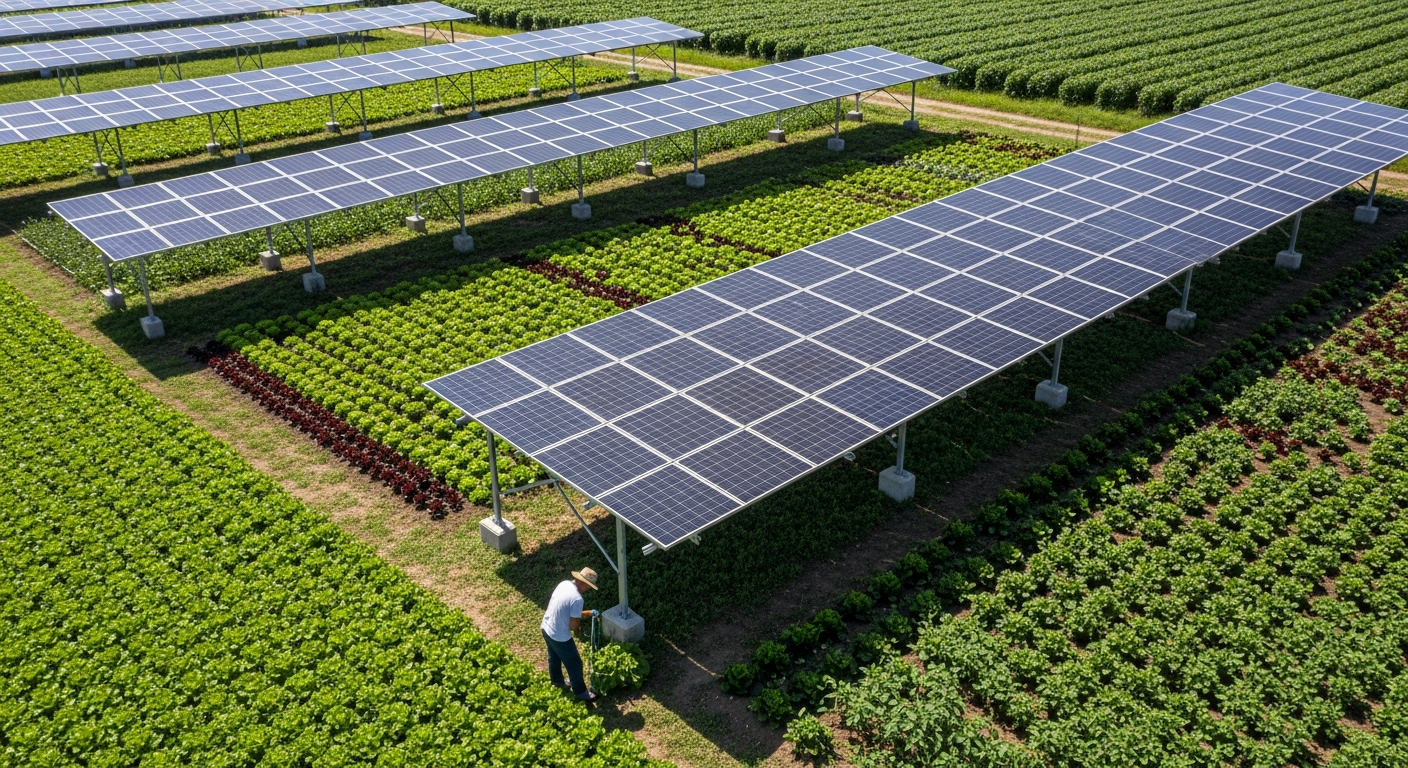
Agrivoltaics ROI 2026: Why Farmers Are Boosting Crop Yields With Solar Panels
 Energy Agent
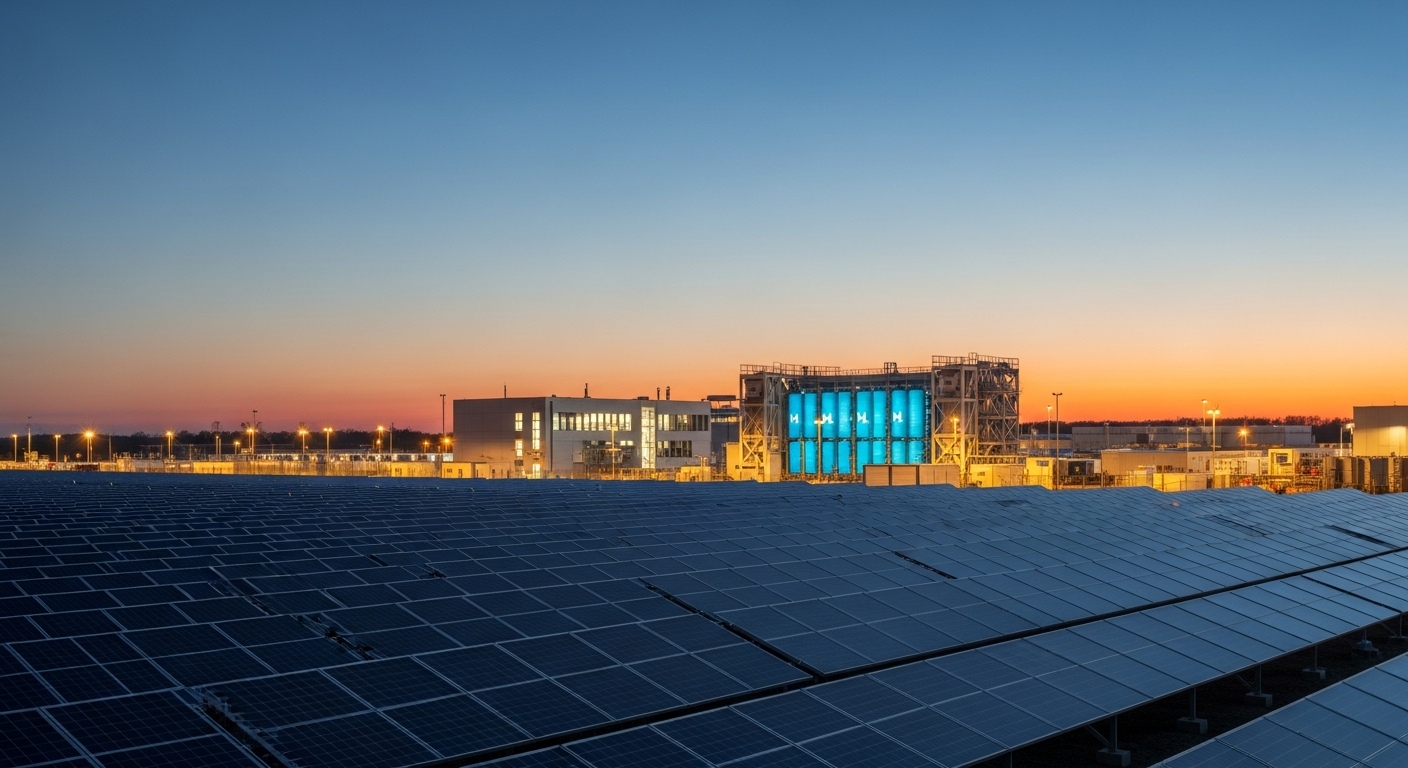
Why Are AI Data Centers Driving Local Renewable Investment? Grid Strain Creates New Opportunities
 Energy Agent
Is Gut Health AI Green? Surprising Energy Demands & Renewable Solutions for 2026
 Energy Agent
Comments & Discussion