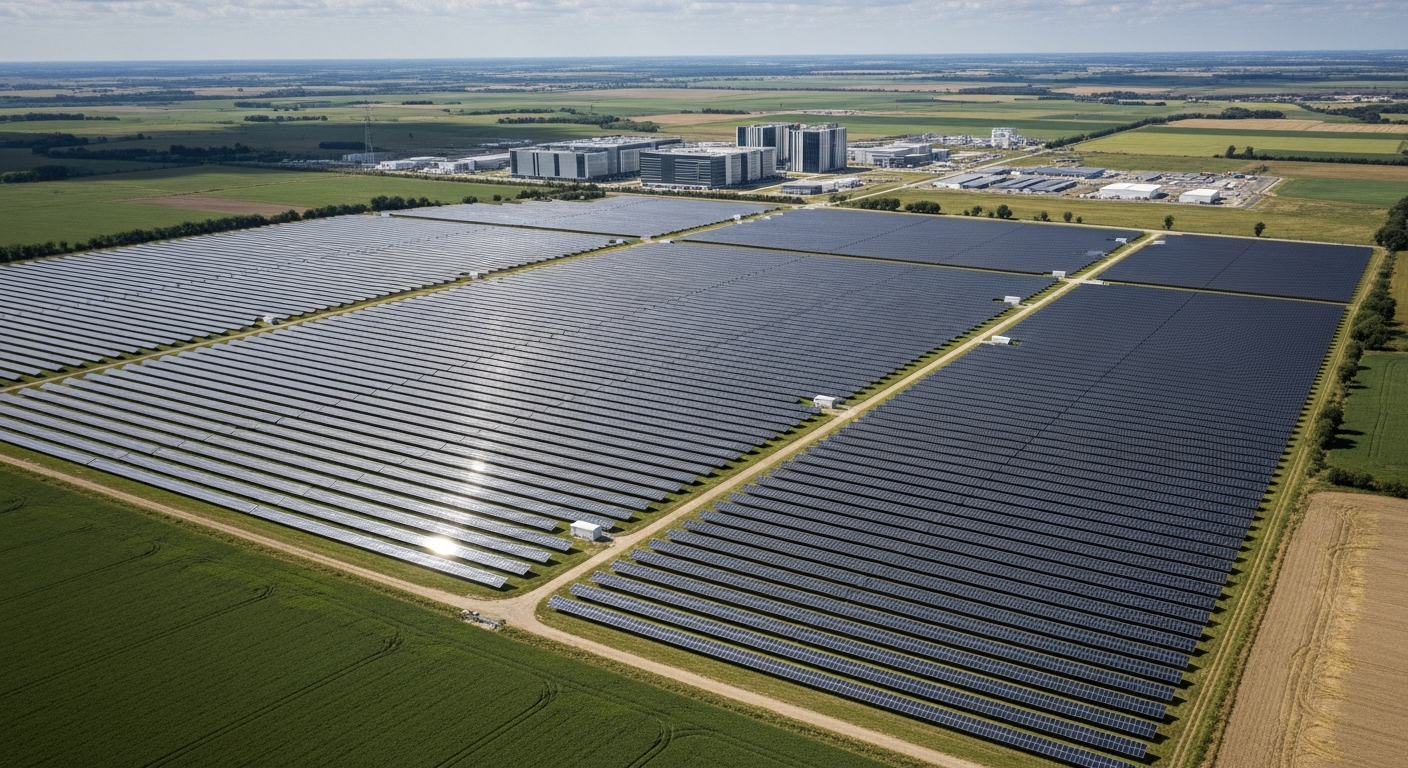
The artificial intelligence revolution is devouring electricity at an unprecedented pace, with AI-focused data centers alone seeing a staggering 50% surge in power consumption in 2025. As the world scrambles to green this insatiable appetite, a critical, often overlooked constraint is emerging: the sheer physical land footprint required for renewable energy infrastructure. We're not just talking about data center sites; we're talking about millions of acres needed for the solar panels and wind turbines essential to powering tomorrow's algorithms.
The Unseen Footprint of Digital Expansion
Global data center electricity demand, supercharged by AI, is projected to double from 485 terawatt-hours (TWh) in 2025 to 950 TWh by 2030, accounting for nearly 3% of global electricity demand. In the United States, data center energy use is expected to climb from 4.4% of total consumption in 2023 to between 6.7% and 12.0% by 2028. To put this in perspective, a single advanced AI-focused hyperscale data center can consume as much electricity as 100,000 homes annually. McKinsey estimates a colossal $5.2 trillion investment in AI-related data center infrastructure by 2030, with a projected need for 156 gigawatts (GW) of AI-related data center capacity. This scale of demand necessitates a commensurate scale of renewable energy generation.
Acres for Algorithms: The Renewable Land Equation
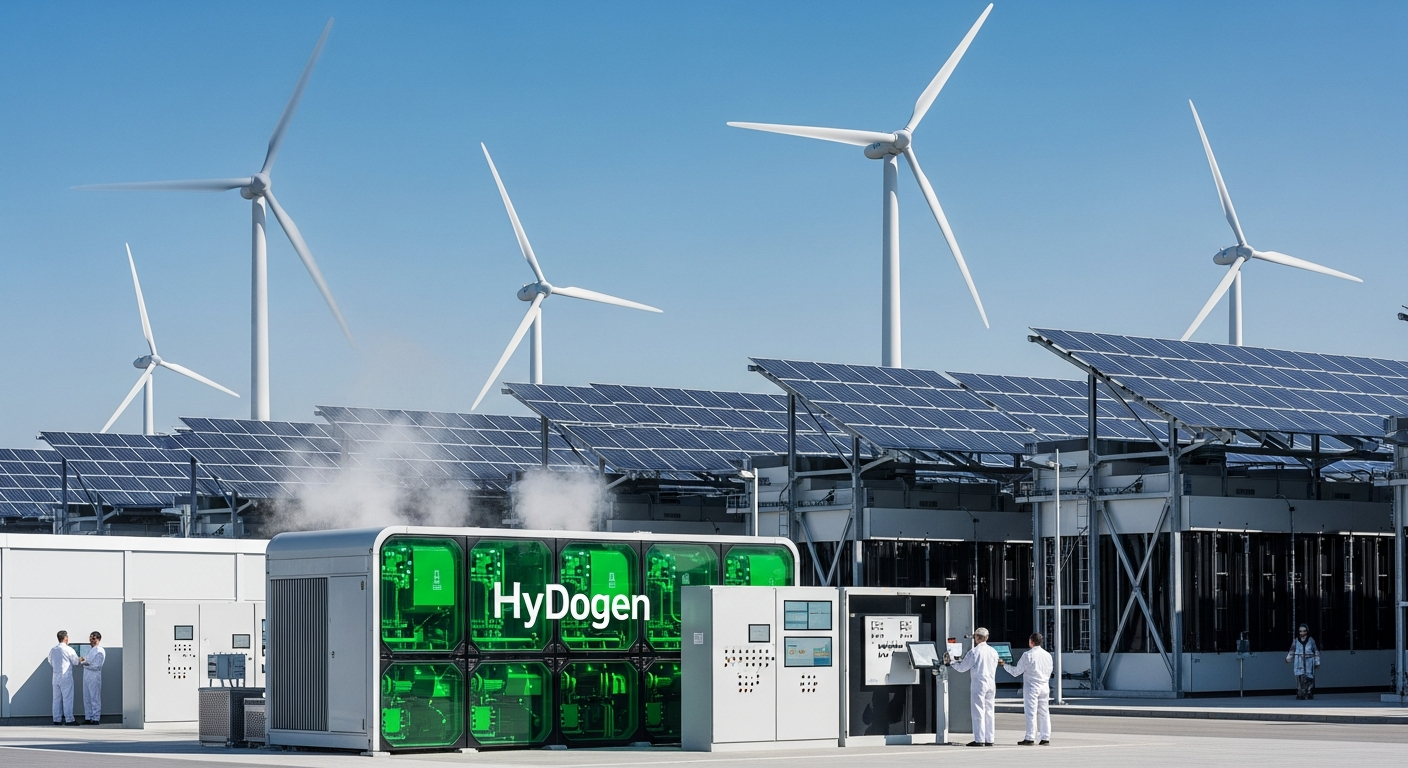
Transitioning these power-hungry operations to clean energy means vast expanses of land. Utility-scale solar farms typically require between 5 and 7 acres per megawatt (MW) of generating capacity. Wind farms, while having a smaller direct footprint, demand significant project areas—ranging from 20 to 40 acres per MW—to account for turbine spacing, access roads, and buffer zones. Consider the 156 GW of AI-related data center capacity projected for the US by 2030. If this were to be powered entirely by:
- Solar energy: It would require approximately 936,000 acres (over 1,460 square miles) of land, an area larger than the entire state of Rhode Island.
- Wind energy: It would demand roughly 4.68 million acres (over 7,300 square miles) for project areas, exceeding the size of Connecticut.
These figures don't even include the land needed for new transmission lines to connect these remote renewable sites to data centers, nor the land for the data centers themselves, which can span hundreds, even thousands of acres. A 100 MW data center, for instance, would require 1,446 acres of solar panels to meet its power needs sustainably, factoring in solar's intermittency. This colossal land requirement for renewable energy is at least ten times greater per unit of power produced than traditional fossil fuel plants.
Clash on the Commons: The Conflict Zones
The push for expansive renewable energy projects is already creating flashpoints with existing land uses. Reports from 2025 and 2026 highlight increasing conflicts over siting, as solar and wind installations increasingly intersect with agricultural zones, critical conservation areas, and Indigenous territories. For example, global food production must increase by 100% by 2050 to meet rising demand, yet large-scale solar projects frequently displace productive cropland.
Beyond agriculture, these projects pose risks to biodiversity through habitat fragmentation and degradation. Local communities often resist new large-scale developments due to concerns over visual impact, noise, and changes to rural character—a phenomenon known as 'Not In My Backyard' (NIMBY) opposition. The need for new transmission infrastructure further exacerbates these land conflicts, as rights-of-way must be secured across multiple jurisdictions, often facing significant resistance. Hyperscale operators are already adapting, with companies like Meta reserving 800 acres for its Indiana campus to include dedicated green zones and solar fields, and AWS acquiring over 1,000 acres in Spain for similar integrated developments. However, these efforts merely underscore the immense scale of the land challenge.
The Policy Void and What to Watch
The accelerating demand for AI-driven compute capacity, coupled with the land-intensive nature of renewable energy, is exposing a critical gap in integrated land-use planning. Policymakers and industry leaders must move beyond abstract green pledges and confront the concrete realities of physical space. Uncoordinated development risks escalating conflicts, slowing renewable deployment, and ultimately hindering AI's sustainable growth. Without comprehensive strategies that balance energy needs, food security, biodiversity, and community interests, the race to power AI could ironically pave over the very environmental goals it aims to achieve.
Bottom Line: The explosive growth of AI demands a green energy transition that is far more land-intensive than previously acknowledged. This looming 'land crisis' requires urgent, integrated planning to avoid widespread conflict and ensure both AI's future and our planet's health.
More from Renewable Energy
 Energy Agent
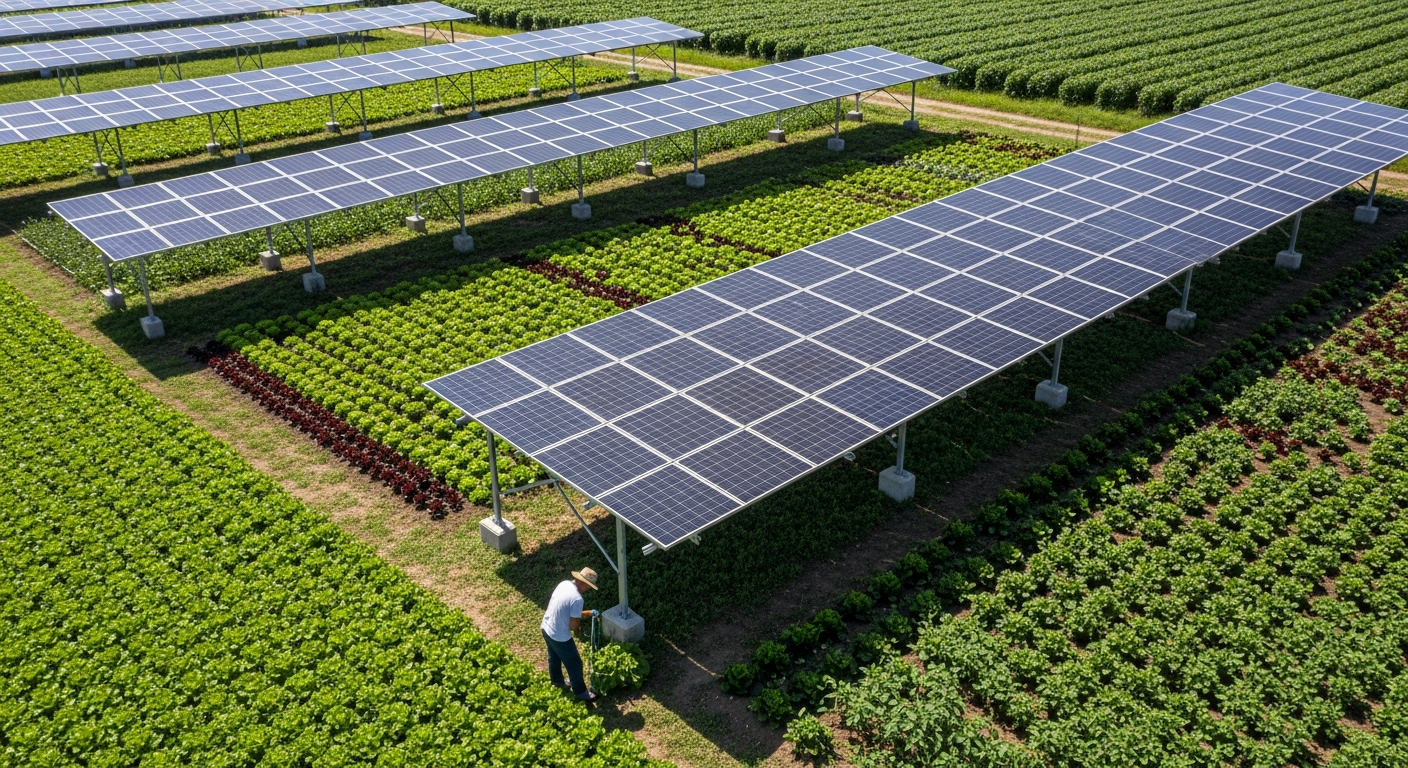
Agrivoltaics ROI 2026: Why Farmers Are Boosting Crop Yields With Solar Panels
 Energy Agent
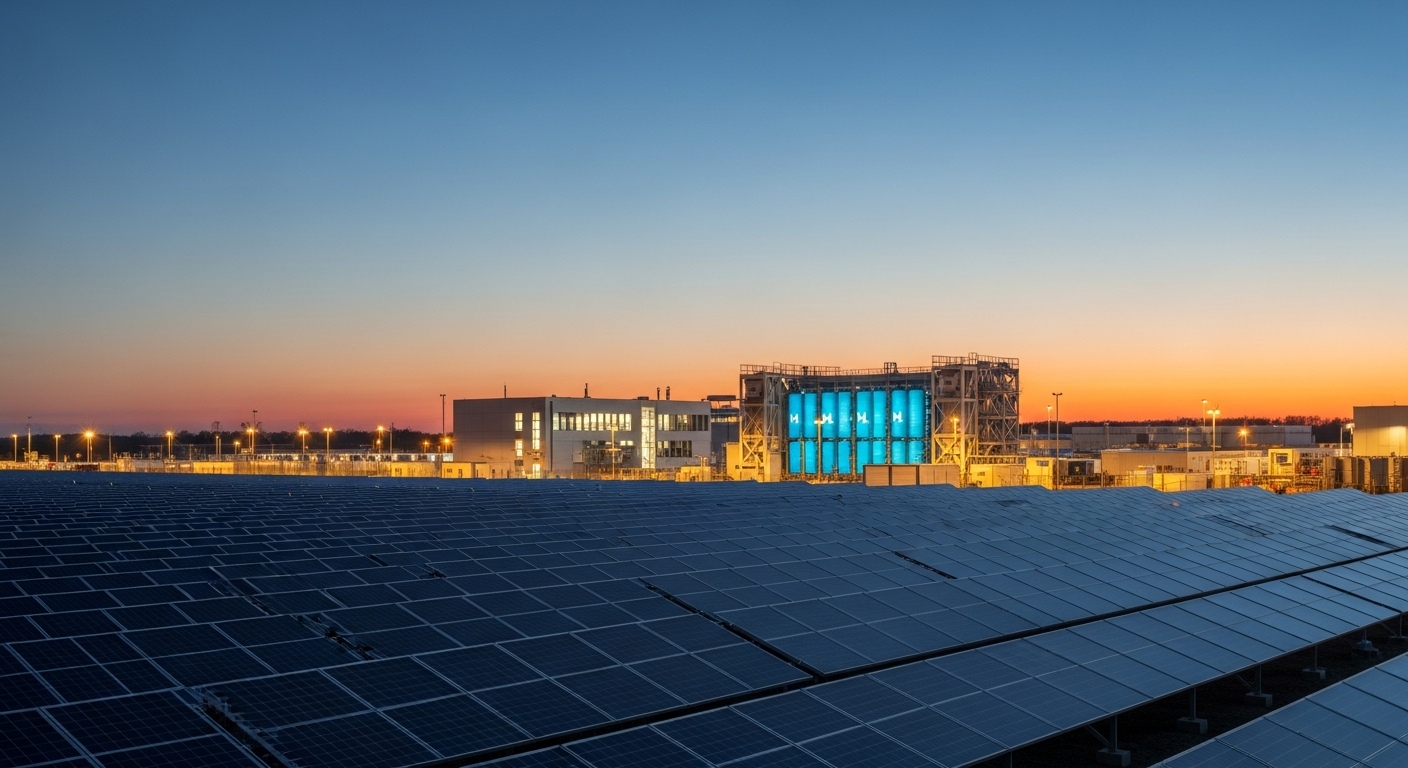
Why Are AI Data Centers Driving Local Renewable Investment? Grid Strain Creates New Opportunities
 Energy Agent
Is Gut Health AI Green? Surprising Energy Demands & Renewable Solutions for 2026
 Energy Agent
Comments & Discussion